



The Role of Compounding Machines in the Food Industry
Compounding machines are essential tools used in the food industry to mix and blend ingredients together. These machines play a crucial role in creating various products such as soups, sauces, batters, and doughs. They are designed to handle a wide range of materials, including liquids, solids, and powders, and can be used for both industrial and home use.
The compounding machine is a versatile tool that can be used to create a variety of products. It has several functions, including mixing, blending, and kneading. The machine uses a rotating blade or paddle to mix the ingredients together, which helps to break down any lumps or clumps. This process ensures that all ingredients are evenly distributed and creates a smooth texture.
In addition to their practical applications, compounding machines also have aesthetic benefits. They can be used to create colorful and vibrant products that add visual appeal to food preparation. For example, they can be used to make chocolate chip cookies or fruit smoothies with vibrant colors.
Despite their many benefits, compounding machines can be expensive to purchase and maintain. However, their cost-effectiveness is often outweighed by the convenience and efficiency they provide in the kitchen. With their ability to handle a wide range of ingredients and produce consistent results, compounding machines are an essential tool for anyone who loves to cook.
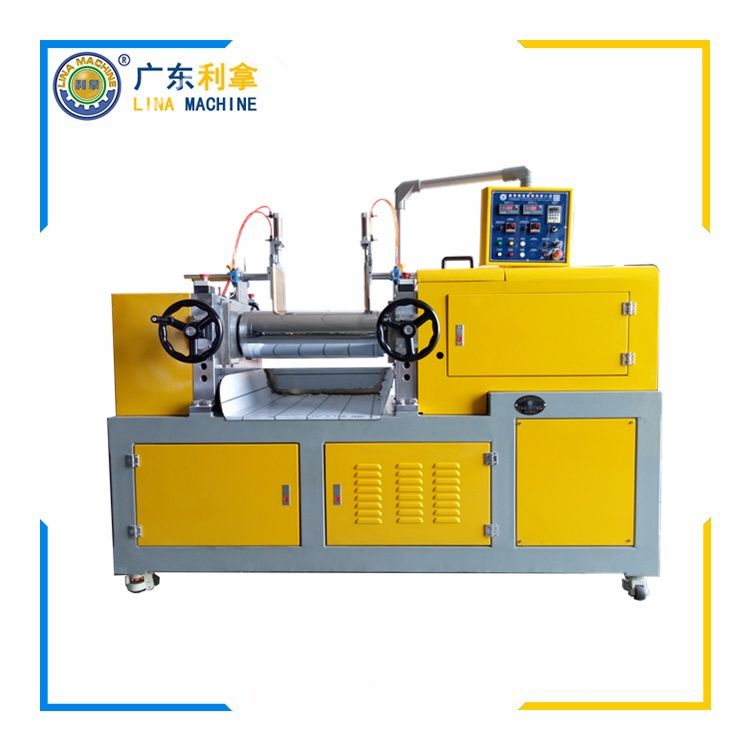
1. Compounding Machine
2. Food Industry
3. Industrial Use
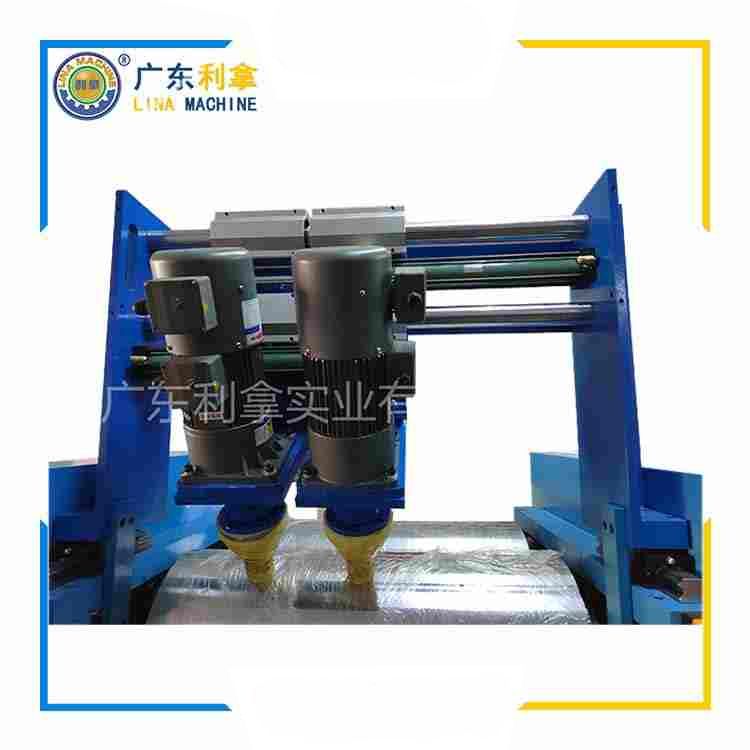
4. Home Use
5. Product Creation
This article provides an in-depth look at the role of compounding machines in the food industry. We discuss their practical applications, aesthetic benefits, and cost-effectiveness. By understanding the importance of these machines, readers can take advantage of their convenience and efficiency in the kitchen.