
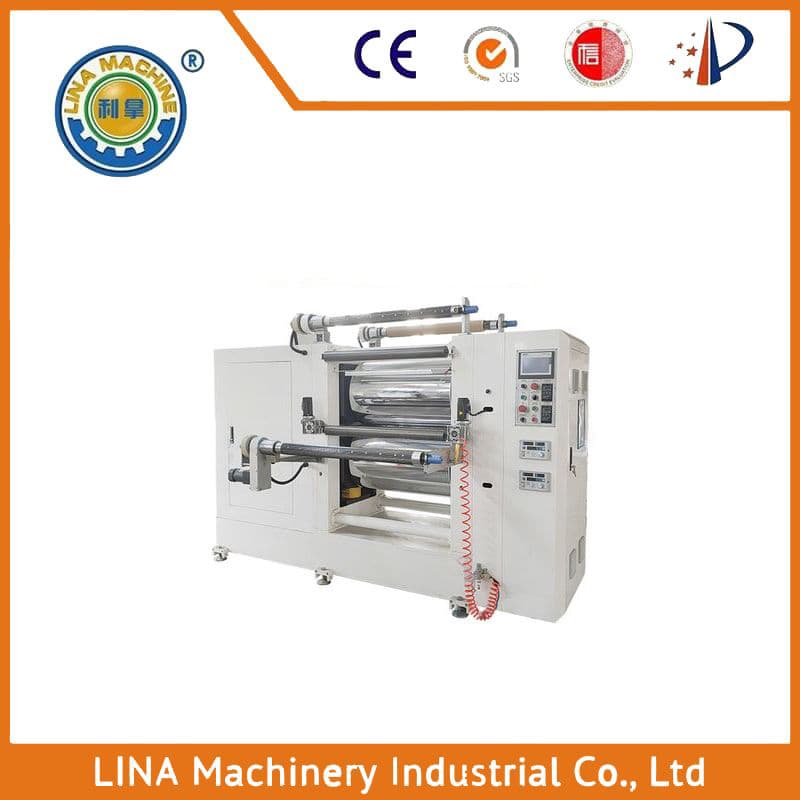
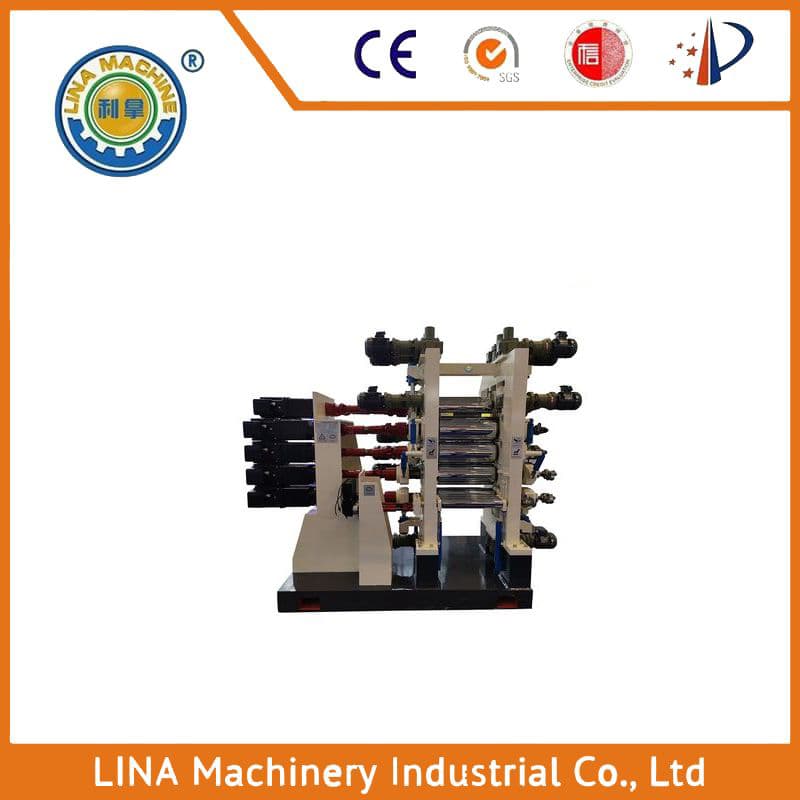
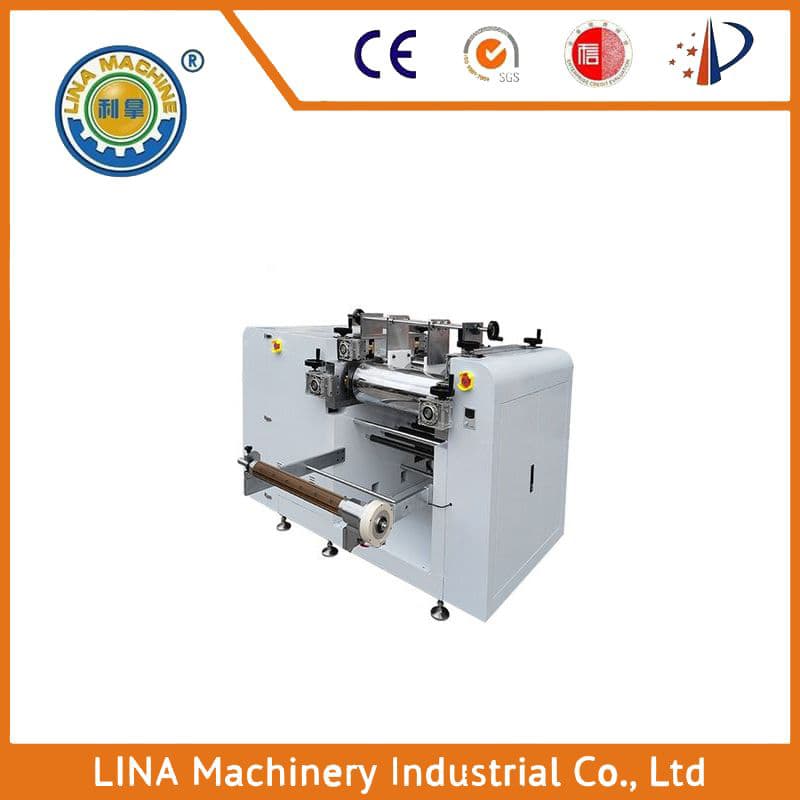
Understanding the Polytetrafluoroethylene Extrusion Machine
The polytetrafluoroethylene (PTFE) extrusion machine is a crucial tool in the manufacturing industry, particularly in the production of high-performance materials such as hoses, seals, and filters. This article will provide an overview of the basic components, working principles, and applications of this machine.
Firstly, let's discuss the basic components of a PTFE extruder. It consists of a hopper, screw, barrel, die, and cooling system. The hopper collects the raw material, which is then fed into the screw through the feeder. The screw rotates at high speeds to mix and knead the material, creating a uniform flow. The barrel is responsible for shaping the material into the desired shape, while the die determines the final size and configuration of the product. Finally, the cooling system helps to solidify the material and prevent it from deforming during transportation or storage.
Now, let's talk about the working principles of a PTFE extruder. When the screw rotates, it forces the material through the die, which creates pressure and heat. This process results in a continuous flow of molten PTFE that can be molded into various shapes. The temperature and pressure inside the barrel are carefully controlled to ensure that the material remains soft and pliable during extrusion.
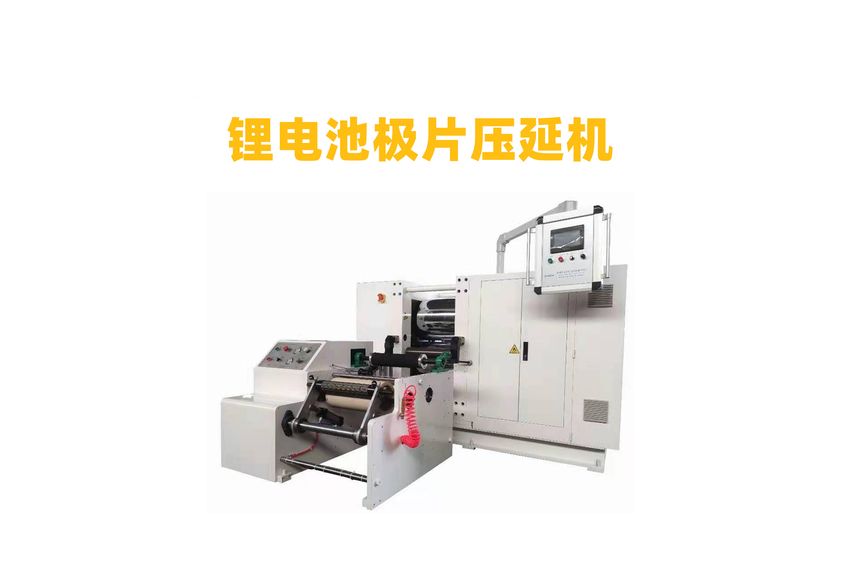
In addition to its role in manufacturing, the PTFE extruder has many other applications. For example, it can be used to produce hoses, seals, and filters for use in industrial settings. These products are highly resistant to wear and tear, making them ideal for applications where durability is critical.
To sum up, the PTFE extruder is a versatile tool that plays a crucial role in the manufacturing industry. Its ability to create high-quality products with minimal waste makes it an essential piece of equipment for any production facility. By understanding its components and working principles, we can better appreciate the importance of this machine in our daily lives.
