



The Dynamics of EVA, TPR, and PVC Pulping Production Lines
In the realm of polymer processing, the production line plays a crucial role in transforming raw materials into finished products. Among the three most common types of polymers - EVA (Ethylene Vinyl Acetate), TPR (Thermoplastic Rubber), and PVC (Polyvinyl Chloride) - each has its own unique characteristics and demands for efficient production. This article explores the dynamics of these three types of polymers' production lines, highlighting their key features and how they contribute to the overall efficiency and quality of the final product.
Firstly, let us delve into the EVA production line. EVA is a versatile material that finds applications in various sectors, including construction, automotive, and electronics. Its production process involves melting ethylene and vinyl acetate together under high temperatures, which results in a viscous liquid known as EVA. This liquid is then extruded through a die, where it solidifies into a sheet or film. The EVA production line requires precise temperature control, consistent feeding rates, and efficient heat transfer to ensure uniformity in the final product. Additionally, the use of advanced equipment like twin-screw extruders and blow molders enhances the process's efficiency and reduces waste.
Moving on to the TPR production line, this line is particularly notable for its ability to produce thermoplastic rubber with varying degrees of hardness and elasticity. TPR is a type of elastomer that finds applications in a wide range of industries, from footwear to automotive parts. The TPR production line begins with the melting of a mixture of natural or synthetic rubber and plasticizers in a large reactor. As the mixture cools down, it solidifies into a semi-solid mass called "rubber." This rubber is then processed further using techniques like compression molding or injection molding, depending on the desired shape and size of the final product. The TPR production line requires careful monitoring of the temperature and pressure during the process to achieve optimal results.
Finally, let us turn our attention to the PVC production line. PVC stands for polyvinyl chloride, a widely used plastic material due to its durability, strength, and resistance to chemicals. The PVC production line involves the synthesis of chlorinated hydrocarbons, typically by reacting ethylene and vinyl chloride in the presence of a catalyst. The resulting polymer is then processed into sheets, films, or other shapes using extrusion techniques. The PVC production line requires precise control over the reaction conditions and the purity of the feedstock to ensure consistent quality and performance. Additionally, the use of automated machinery and robotics can significantly improve productivity and reduce human error.
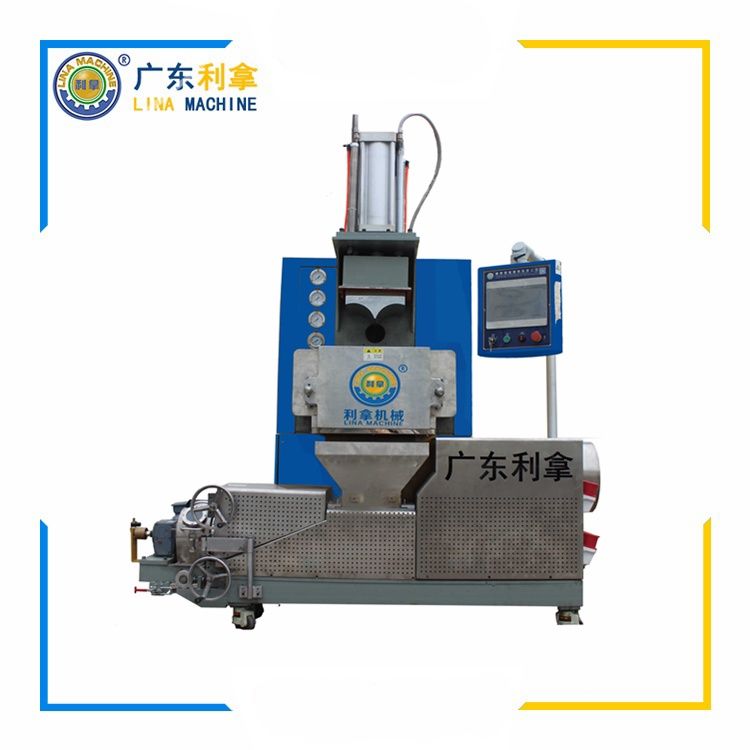
In conclusion, the EVA, TPR, and PVC production lines each have their unique features and requirements for efficient operation. By understanding these processes and their key components, manufacturers can optimize their operations and deliver high-quality products to customers worldwide.