
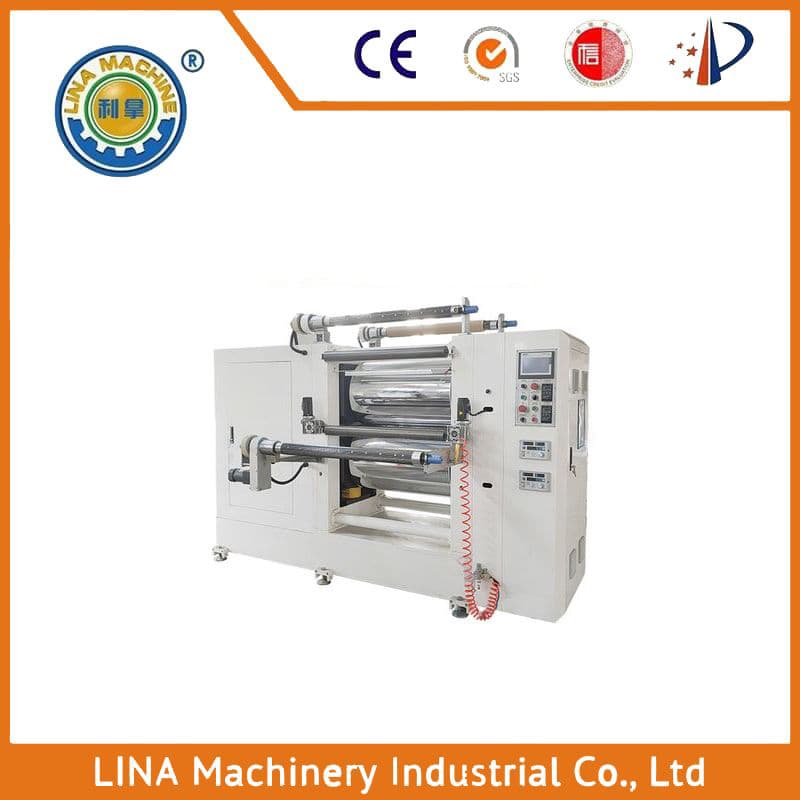
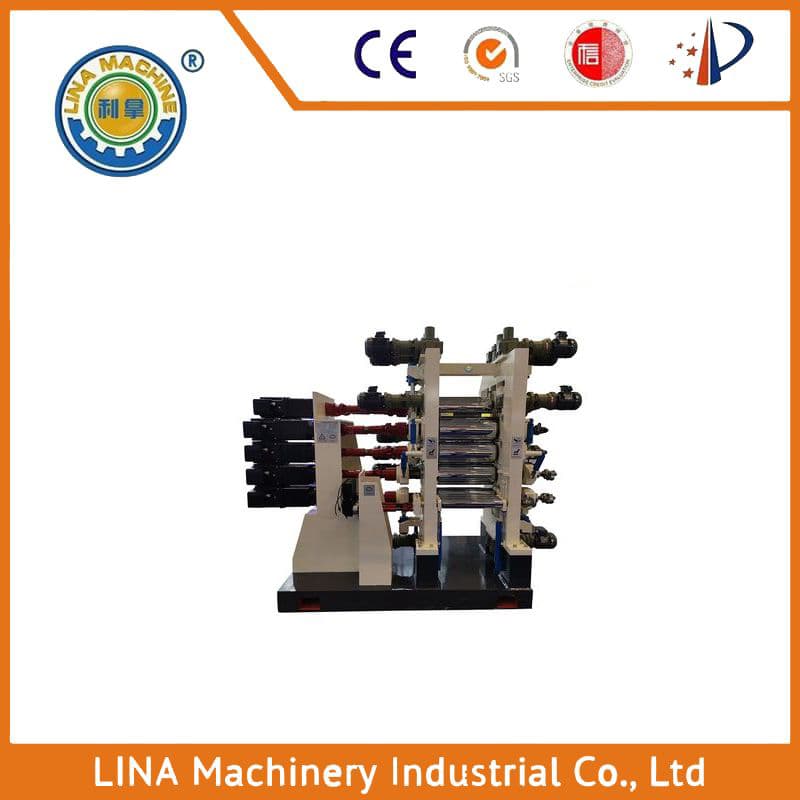
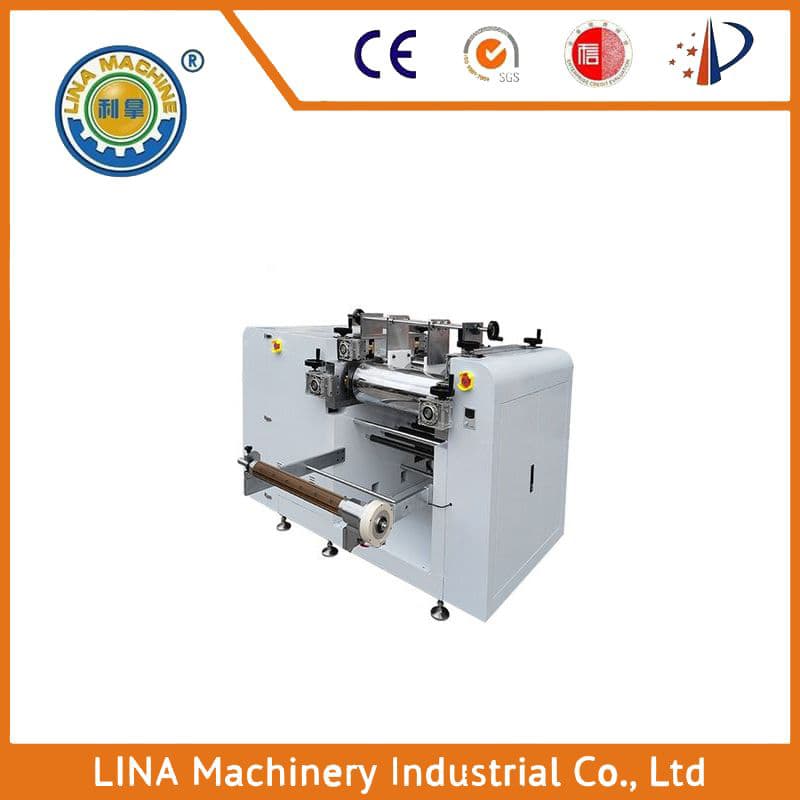
The Role of Mass Production in the Development of Compact Mixing Machines
In the realm of industrial machinery, the concept of mass production has become increasingly important as it enables manufacturers to produce a large number of identical machines at once. This approach is particularly relevant for the development of compact mixing machines, which are essential tools in various industries such as food processing, pharmaceuticals, and chemical manufacturing. The ability to manufacture these machines on a large scale not only reduces costs but also ensures consistent quality and reliability across all units produced.
The process of mass production involves several key steps. Firstly, the design of the compact mixing machine must be optimized to ensure that it can be easily manufactured using standardized components and processes. This requires careful consideration of material selection, machining techniques, and assembly procedures. Secondly, the manufacturing process itself must be streamlined and automated to minimize errors and improve efficiency. This typically involves the use of CNC (Computer Numerical Control) machines, robotics, and other advanced technologies to perform tasks such as cutting, drilling, and welding. Finally, quality control measures must be implemented to ensure that each unit produced meets industry standards and specifications.

One of the benefits of mass production is its ability to reduce costs. By producing a large number of identical machines, manufacturers can pass on savings to customers, leading to lower prices for end users. Additionally, this approach allows for economies of scale, whereby the cost of production decreases as the volume of production increases. This is because fixed costs such as rent, salaries, and overhead expenses are spread out over a larger number of units.

Another advantage of mass production is the potential for innovation. As manufacturers work to improve upon existing designs and technologies, they may develop new features or improvements that can be incorporated into future generations of compact mixing machines. This can lead to increased efficiency, improved safety features, and enhanced functionality, ultimately benefiting both manufacturers and their customers.
However, there are also challenges associated with mass production. One concern is the potential for product homogeneity. If each unit produced is identical, then any variations in quality or performance could be difficult to detect and correct. Additionally, if the manufacturing process is not carefully controlled, there is a risk of introducing defects or errors into the final product. To address these issues, manufacturers must implement rigorous quality control measures and ensure that all components meet strict standards before they are assembled into the final machine.
In conclusion, mass production plays a crucial role in the development of compact mixing machines by enabling manufacturers to produce a large number of identical units at a lower cost. While there are challenges associated with this approach, including the potential for product homogeneity and the need for rigorous quality control measures, these obstacles can be overcome through careful planning and execution. As the demand for efficient and reliable compact mixing machines continues to grow, the importance of mass production in shaping the future of this industry cannot be overstated.