



The Art of Clay Particle Formation: An Overview of Ceramic Powder Grinding Machines
Clay is a natural material that has been used for centuries in various forms, from pottery to building materials. Today, the process of transforming clay into ceramics involves a series of complex steps, including mixing, shaping, and firing. One crucial step in this process is the formation of ceramic powder particles, which are then combined with other ingredients to create the final product. In this article, we will explore the art of clay particle formation and how ceramic powder grinding machines play a vital role in achieving this goal.
At the heart of the ceramic production process lies the ceramic powder grinding machine. This machine is designed to break down the raw clay into smaller particles, which can then be mixed with other ingredients to form the desired shape and texture of the ceramic product. The grinding process is essential because it ensures that the clay particles are uniformly sized and free from impurities, which can affect the quality and performance of the final product.
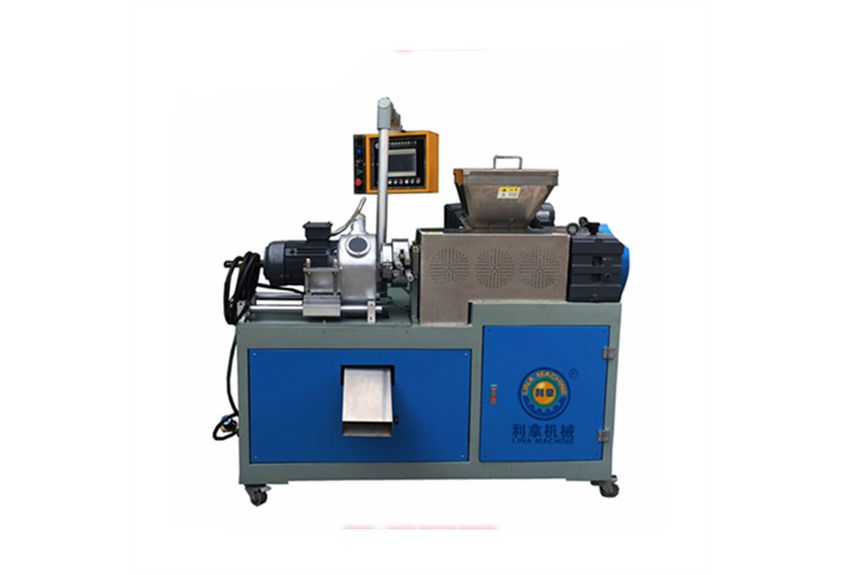
The ceramic powder grinding machine works by using high-speed rotating blades or rollers that crush the clay particles against each other. This process generates heat, which causes the clay to melt and fuse together, forming a more cohesive and consistent mixture. The resulting powder is then collected and stored for further processing.
There are several types of ceramic powder grinding machines available on the market, each with its own unique features and advantages. Some of the most common types include ball mills, hammer mills, and rod mills. Ball mills are commonly used in industries such as cement and glass production, while hammer mills are preferred for producing finer powders. Rod mills are ideal for grinding hard and brittle materials such as minerals and metals.
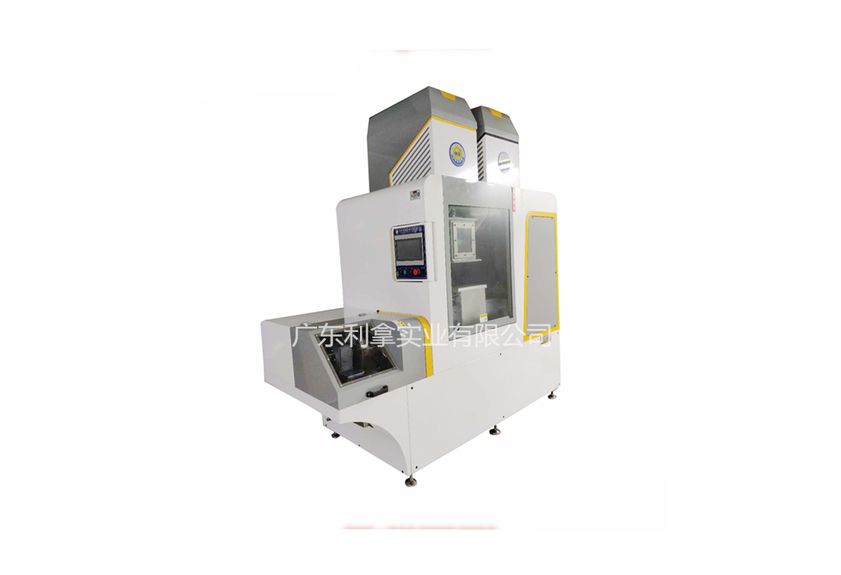
In addition to their technical capabilities, ceramic powder grinding machines also have a significant impact on the overall cost and efficiency of the ceramic production process. By reducing the amount of time and resources required to produce high-quality ceramic powder, these machines help to streamline the entire process and increase productivity.
In conclusion, the art of clay particle formation is an essential aspect of the ceramic production process. Ceramic powder grinding machines play a crucial role in achieving this goal by breaking down raw clay into smaller particles that can be combined with other ingredients to create the desired ceramic product. As technology continues to advance, we can expect to see even more innovative and efficient ceramic powder grinding machines on the market, further enhancing the quality and performance of our ceramic products.