
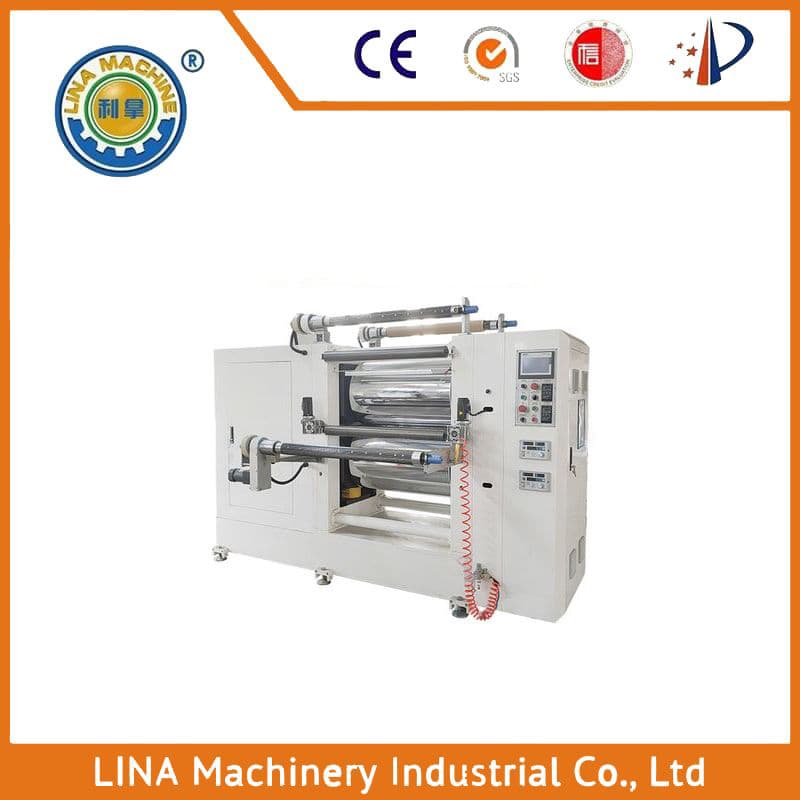
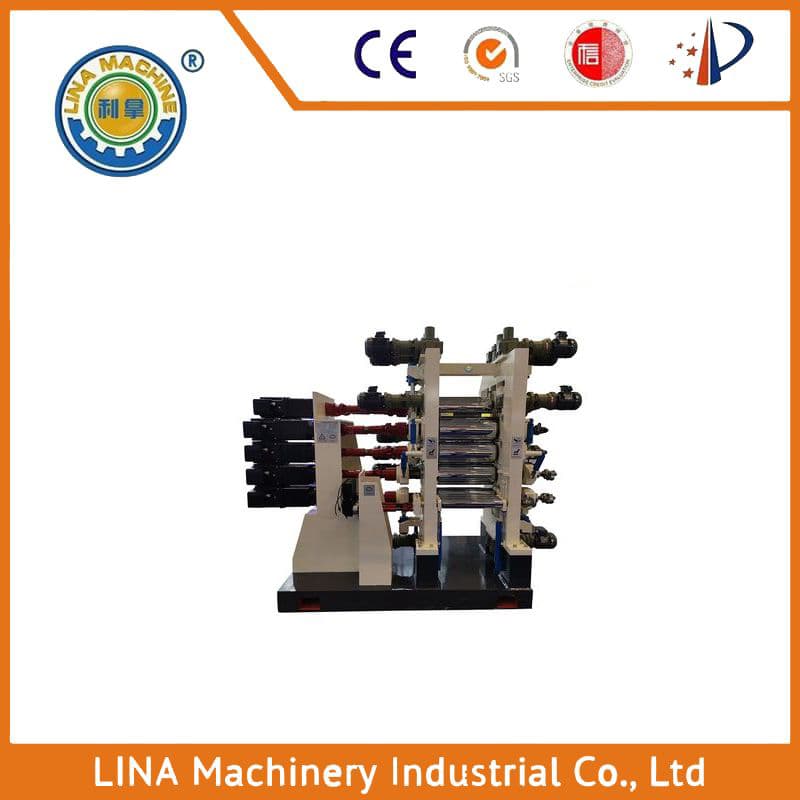
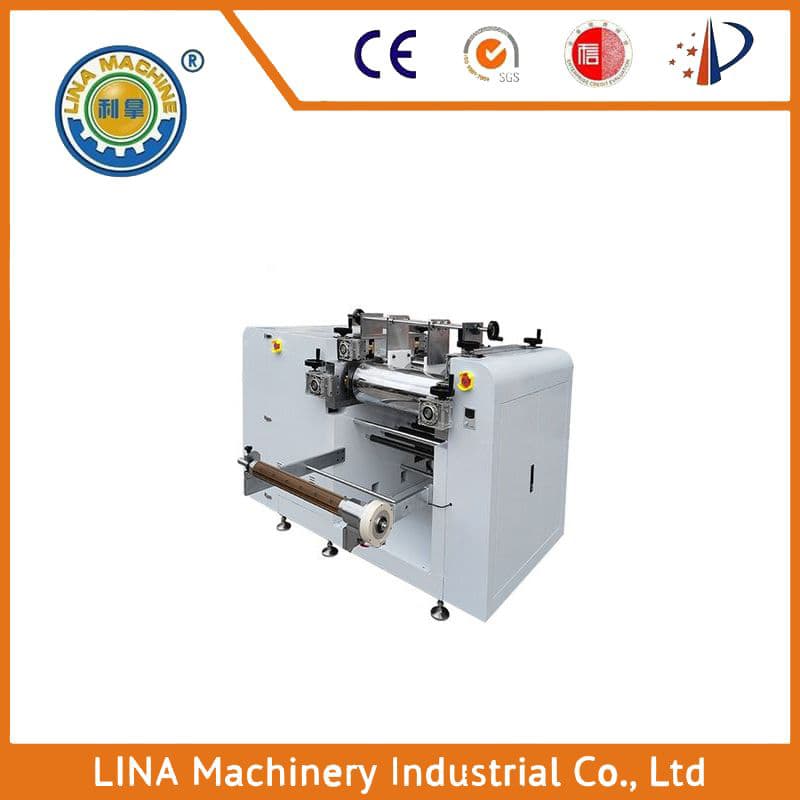
The Role of the Mixing Machine in the Manufacturing Industry
The mixing machine is an essential tool in the manufacturing industry, used to blend and combine materials in a precise and uniform manner. It plays a crucial role in various industries such as food processing, pharmaceuticals, chemical engineering, and more. In this article, we will explore the different types of mixing machines available, their applications, and how they contribute to the overall efficiency of the manufacturing process.
Firstly, there are two main types of mixing machines: mechanical and electrical. Mechanical mixing machines use rotating blades or impellers to break down and mix the ingredients. These machines are commonly used in food processing and pharmaceuticals industries where high-quality ingredients need to be thoroughly mixed. Electrical mixing machines, on the other hand, use electric motors to rotate the impellers, making them ideal for larger batches of materials.
In addition to these basic types, there are also specialized mixing machines designed for specific applications. For example, a high-speed mixer is used in the production of paints and coatings, while a dough mixer is used in the baking industry. These specialized machines allow for more precise control over the mixing process, resulting in better quality products.
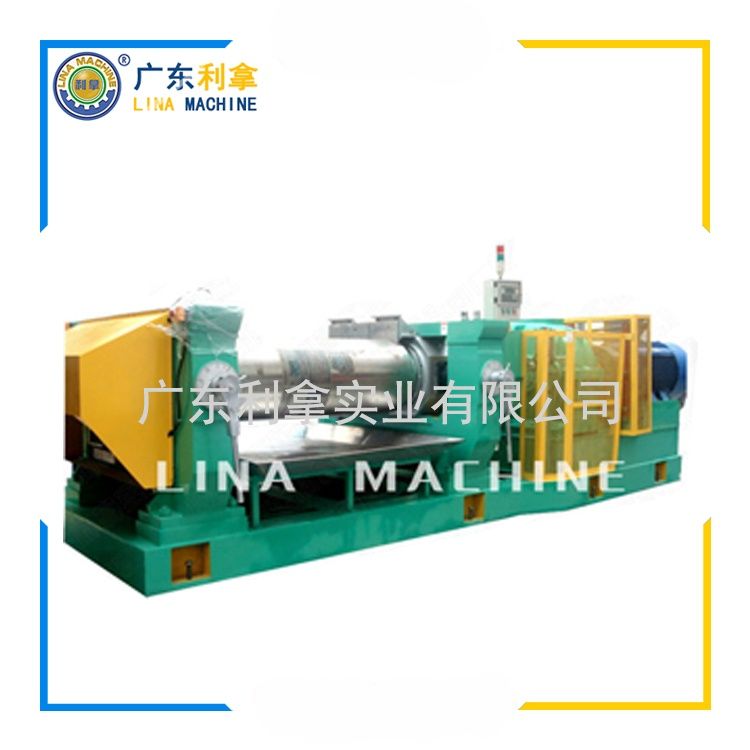
The benefits of using mixing machines in the manufacturing industry are numerous. Firstly, they improve product consistency and quality by ensuring that all ingredients are mixed evenly and thoroughly. This can help reduce waste and save time in the production process. Secondly, mixing machines can handle large batches of materials, making them ideal for industrial-scale production. Finally, they can be programmed to operate automatically, reducing labor costs and increasing efficiency.
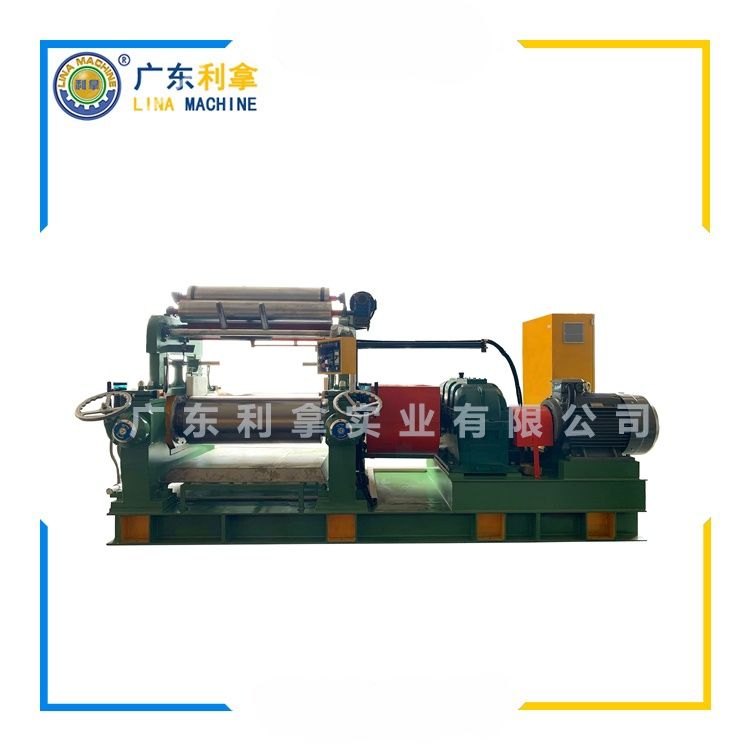
In conclusion, the mixing machine is a critical component of the manufacturing industry, providing precision and consistency in the production of various products. By understanding the different types of mixing machines and their applications, manufacturers can optimize their processes and achieve higher levels of efficiency and quality.