
The Small-Scale Mixing Machine: A Comprehensive Guide to Its Role and Application
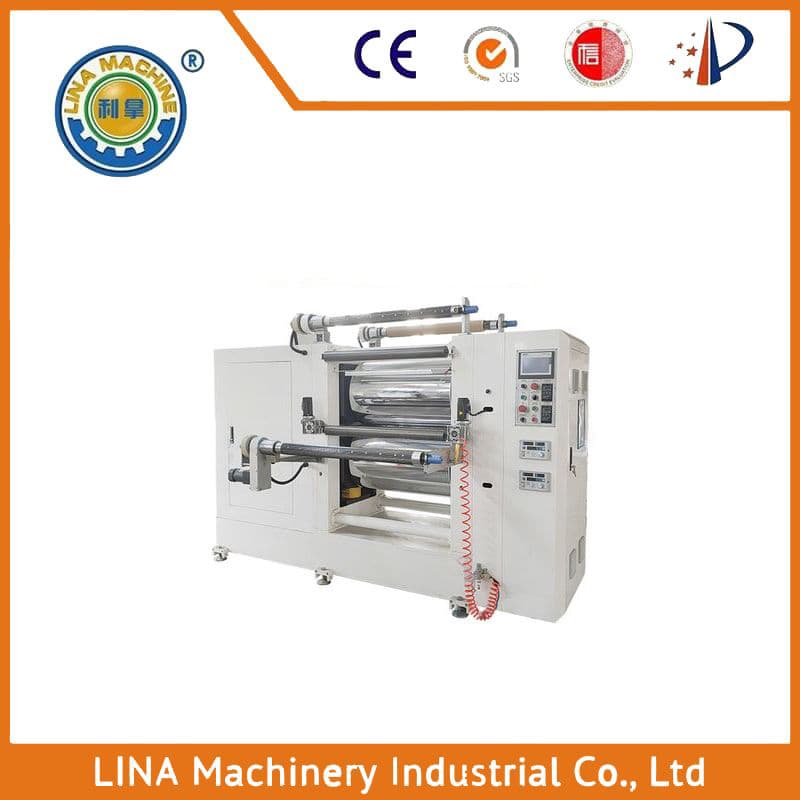
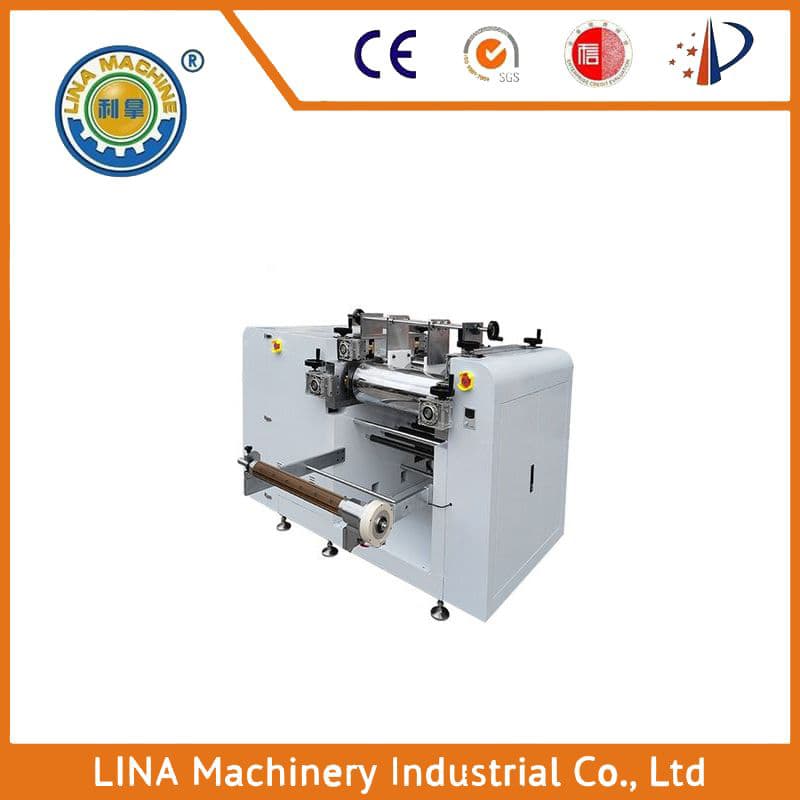
In the realm of industrial machinery, there are few that have had a profound impact on the manufacturing process as much as the small-scale mixing machine. This versatile tool is designed to efficiently blend, knead, and mix a wide range of materials, from plastics and rubber to food ingredients and chemical compounds. With its compact size and powerful capabilities, the small-scale mixing machine has become an indispensable asset for many industries, enabling them to produce high-quality products with greater efficiency and consistency.
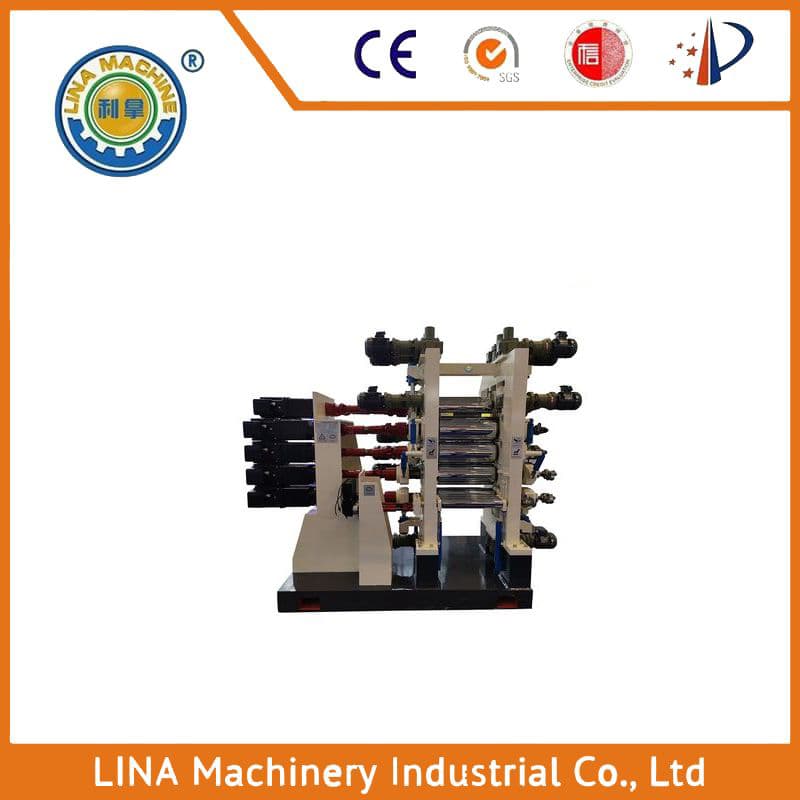
At its core, the small-scale mixing machine operates by using a rotating shaft to force the mixture through a series of interlocking elements, known as the impeller or blades. These blades are designed to create a high-velocity, high-pressure environment within the mixing chamber, which helps break down and homogenize the ingredients being processed. As the mixture moves through the machine, it is also subject to the action of the impeller, which forces it to rotate and mix evenly.
One of the key advantages of the small-scale mixing machine is its ability to handle a wide range of materials, including those that are difficult to mix or require specialized equipment. For example, it can be used to mix powders, liquids, and solids, as well as to blend flavors and colors together. Additionally, the machine's design allows for easy adjustment of the speed and temperature of the mix, making it ideal for a variety of applications and production processes.
Another important aspect of the small-scale mixing machine is its versatility. Whether you need to mix a batch of dough for bread or knead a cake batter, this machine can handle the task with ease. It can also be used to mix ingredients for various types of food products, such as sauces, dressings, and marinades. Furthermore, the machine's portability makes it ideal for use in small kitchens or workshops, where space may be limited.
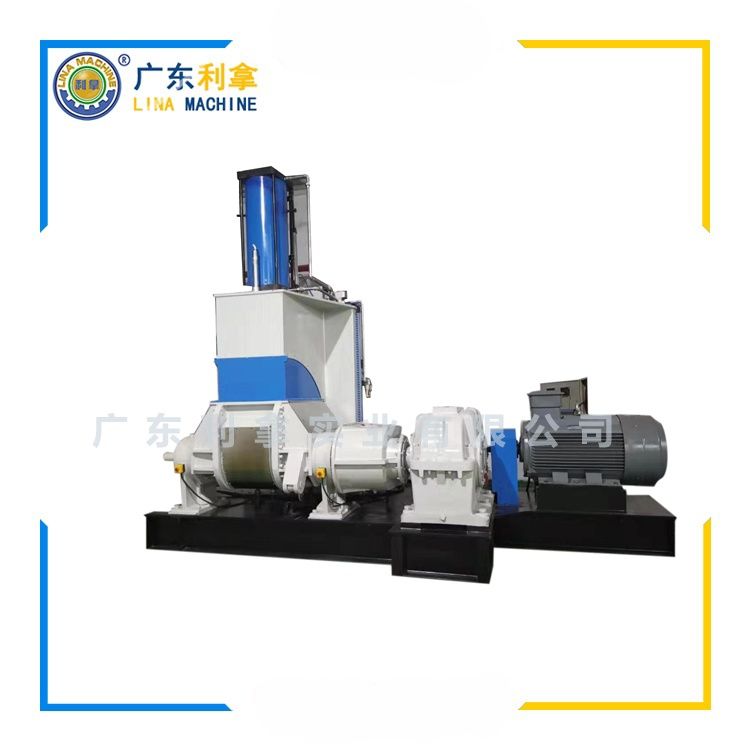
In addition to its practical applications, the small-scale mixing machine also offers several benefits for both the user and the environment. By reducing waste and minimizing energy consumption, it contributes to sustainability and reduces the carbon footprint associated with traditional mixing methods. Additionally, the machine's compact design means that it requires less space than larger machines, making it easier to store and transport.
When selecting a small-scale mixing machine, it is important to consider factors such as the type of material being mixed, the desired level of mixing intensity, and the available space in which the machine will be used. Some popular models include electric motors, gas engines, and centrifugal mixers, each offering their own unique advantages and features.
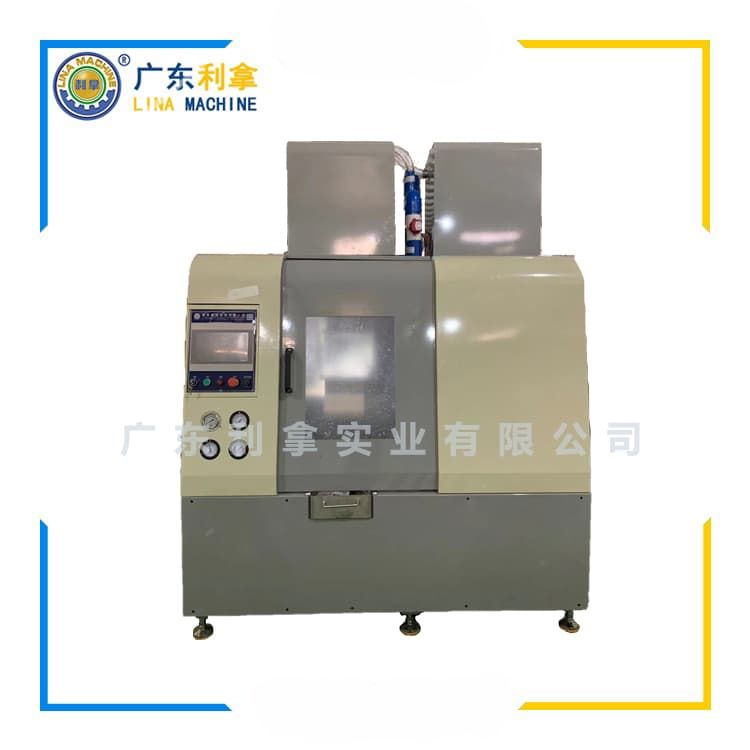
In conclusion, the small-scale mixing machine is a versatile and efficient tool that has revolutionized the way we produce and distribute a wide range of materials. With its ability to handle a variety of materials and applications, its versatility, and its commitment to sustainability and energy efficiency, this machine is sure to remain a valuable asset in the years to come. So why not invest in a small-scale mixing machine today? You won't regret it!