
The Role of Experimental Flat Pressing Machines in the Manufacturing Industry
Flat pressing machines are a crucial tool in the manufacturing industry, particularly in the production of plastic products. These machines are designed to press two or more sheets of material together, usually at high pressure and temperature, to create a uniform and strong product. In this article, we will explore the different types of flat pressing machines available and their applications in the manufacturing process.
One of the most common types of flat pressing machines is the laboratory-style machine. These machines are designed for small-scale production and are ideal for testing new materials or developing new processes. They are often used in research and development departments to test the strength and durability of new materials before they are used in larger-scale production.
Another type of flat pressing machine is the industrial-scale machine. These machines are designed for large-scale production and are capable of handling large volumes of material. They are commonly used in automotive, electronics, and other industries where high-quality products need to be produced quickly and efficiently.
In addition to their use in manufacturing, flat pressing machines are also used in the food industry. For example, they are used to compress meat patties or bread dough into uniform shapes. This allows for consistent quality and ensures that each piece of food meets certain standards.
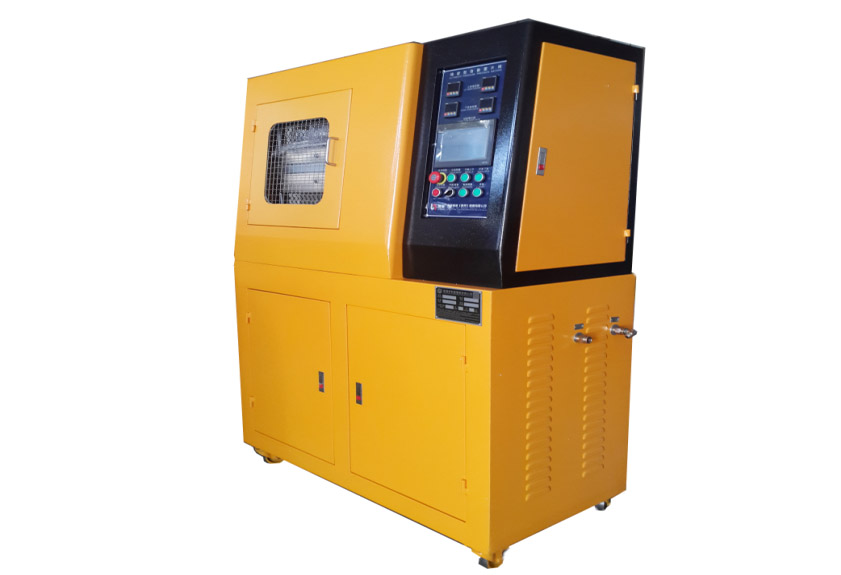
When selecting a flat pressing machine, it is important to consider factors such as the size of the material being processed, the desired thickness of the product, and the desired level of pressure and temperature. It is also important to choose a machine that is reliable and easy to maintain, as these factors can impact the overall efficiency and productivity of the operation.
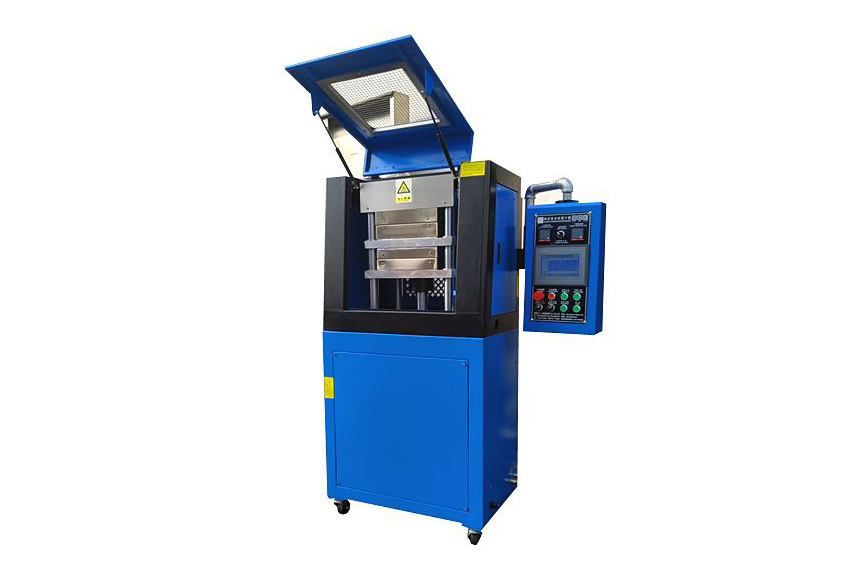
In conclusion, flat pressing machines are essential tools in the manufacturing industry, providing a reliable and efficient way to produce plastic products. Whether used in research and development or large-scale production, these machines have the potential to revolutionize the way we manufacture and distribute goods.