



The Evolution of Foamed Silica Gel Pressing Production Lines
In the realm of industrial manufacturing, innovation is the lifeblood that drives progress. One such area where technological advancements have significantly impacted production processes is in the field of foamed silica gel pressing. This article delves into the evolution of foamed silica gel pressing production lines, highlighting how these machines have transformed the way we manufacture and distribute this versatile material.
At the heart of any foamed silica gel pressing line lies the process of creating high-quality foamed silica gel products. These lines are designed to produce a wide range of materials, including but not limited to foamed silica gel beads, sheets, and foams. The initial step involves the blending of silicon dioxide (SiO2) with various additives, such as surfactants and plasticizers, to create a homogeneous mixture. This mixture is then extruded through a die, which creates a continuous sheet or bead.
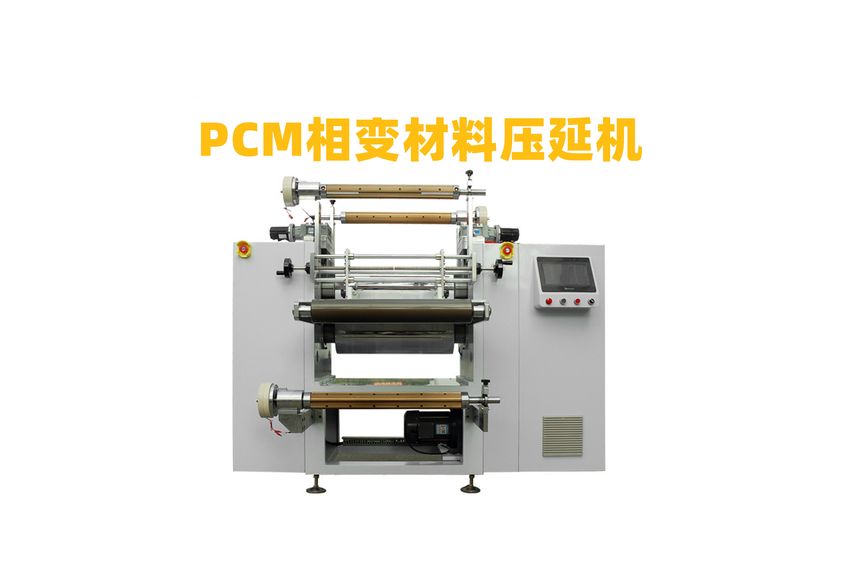
The next crucial stage is the curing process, where the sheet or bead undergoes thermal treatment to set the SiO2 particles into a stable structure. This process is essential for the final properties of the product, including its density, porosity, and strength. Once cured, the sheet or bead is cut into desired sizes and shapes, ready for packaging and distribution.
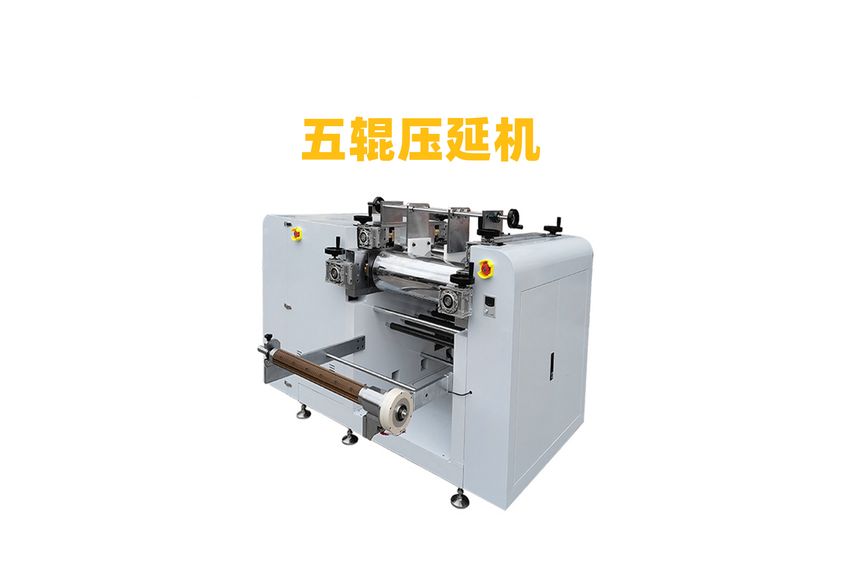
Over time, the development of foamed silica gel pressing lines has been driven by several factors. One significant driver has been the increasing demand for sustainable and eco-friendly materials in various industries, including construction, automotive, and electronics. Foamed silica gel beads offer excellent thermal insulation properties, making them ideal for use in these applications.
Another factor driving innovation in foamed silica gel pressing lines has been the need for increased efficiency and productivity. With the advent of automation and robotics, manufacturers can now produce larger volumes of high-quality foamed silica gel products more quickly and efficiently. This has led to cost savings and improved profitability for businesses operating in this sector.
Furthermore, advances in technology have also played a role in shaping the future of foamed silica gel pressing lines. For example, the use of advanced sensors and control systems allows for precise temperature regulation during the curing process, ensuring consistent quality across all products produced on the line. Additionally, the integration of data analytics can help manufacturers optimize their production processes and improve overall efficiency.
In conclusion, the evolution of foamed silica gel pressing production lines has been marked by technological advancements that have transformed the way we manufacture and distribute this versatile material. From the initial blending of ingredients to the final curing process, each step has been optimized to enhance product quality and increase efficiency. As we continue to explore new technologies and approaches, it is likely that we will see even greater improvements in the future, leading to even more innovative and sustainable solutions in the world of foamed silica gel pressing.