



The Development and Application of Absorber Material Rolling Machine
The development of absorber material rolling machines has been a significant advancement in the field of electromagnetic interference (EMI) reduction. These machines are designed to process various types of absorber materials, such as metal foam, graphene, and polymer composites, into uniform sheets or strips for use in electronic devices, communication systems, and other applications.
The main function of an absorber material rolling machine is to compress and shape the raw materials into the desired product. This process involves using high-pressure rolls that exert force on the material, causing it to flow and undergo deformation. The resulting product is typically characterized by its high density, low porosity, and excellent EMI absorption properties.
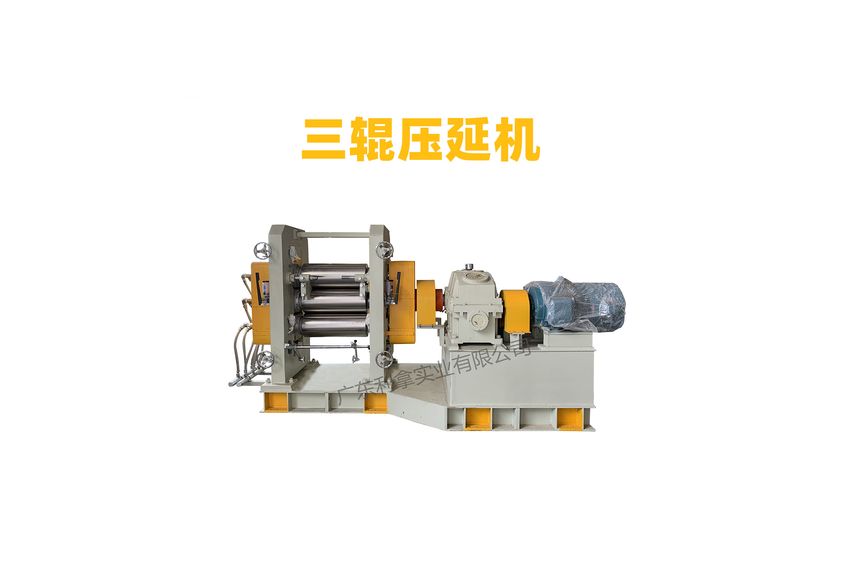
The design of an absorber material rolling machine is critical to achieving optimal performance. It must be equipped with advanced control systems that can precisely regulate the temperature, pressure, and speed of the rolls, as well as monitor the quality of the final product. Additionally, the machine should be able to handle a wide range of materials and sizes, making it suitable for a variety of industrial applications.
One of the key benefits of using absorber material rolling machines is their ability to reduce EMI levels in electronic devices. By processing the raw materials into thin, dense sheets, these machines can significantly improve the overall performance of electronic components, reducing power consumption and improving signal integrity.
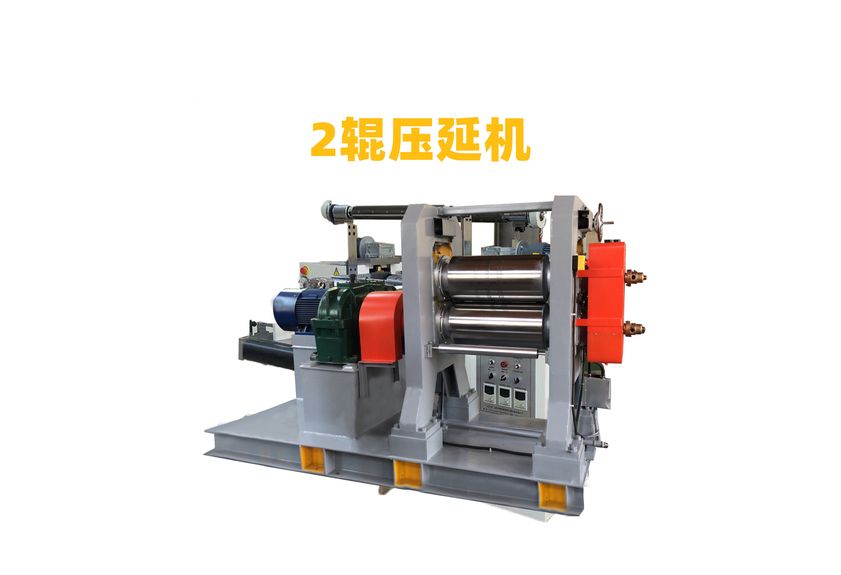
In conclusion, the development of absorber material rolling machines has played a crucial role in advancing the field of EMI reduction. As technology continues to advance, it is likely that these machines will continue to evolve and become even more efficient and versatile.