
The Role of Electric Sulfurizing Machines in the Manufacturing Industry
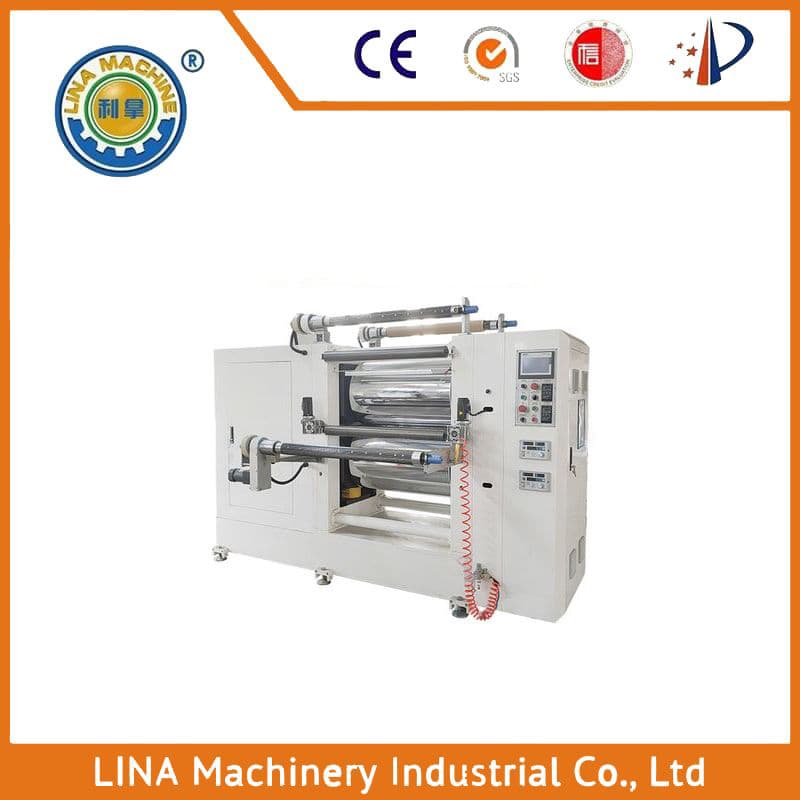
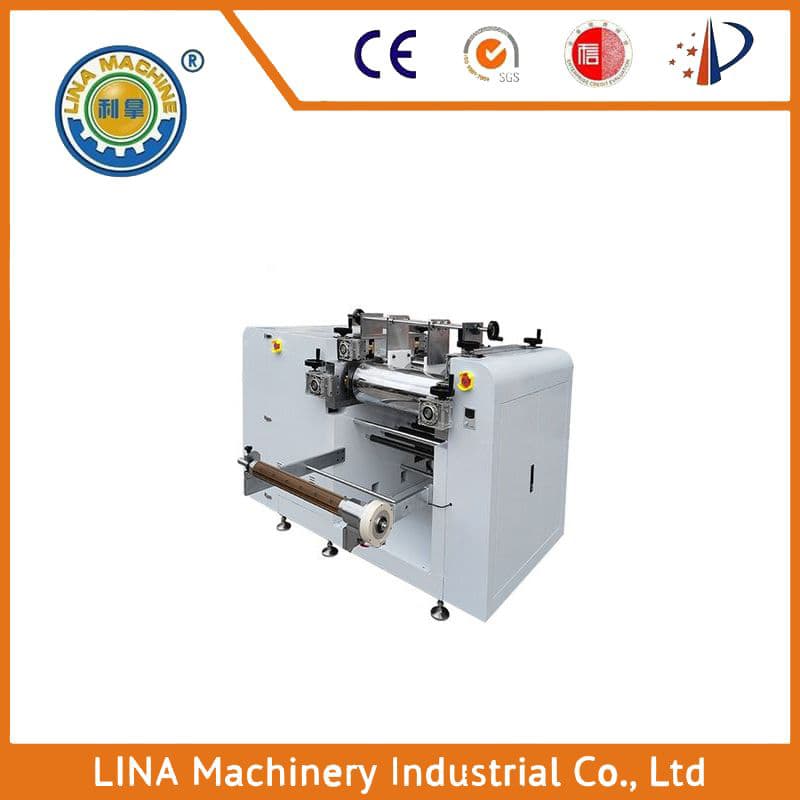
In the manufacturing industry, the use of electric sulfurizing machines has become increasingly prevalent due to their efficiency and convenience. These machines are designed to process materials such as metals, plastics, and composites by subjecting them to a high-temperature sulfurizing process. This process involves heating the material to a specific temperature and then adding sulfur to react with the material's surface. The resulting product is often more durable and resistant to corrosion than the original material.
One of the key benefits of electric sulfurizing machines is their ability to process large volumes of material quickly and efficiently. This makes them ideal for use in industrial settings where high production rates are required. Additionally, these machines are relatively low maintenance, making them cost-effective in the long run.
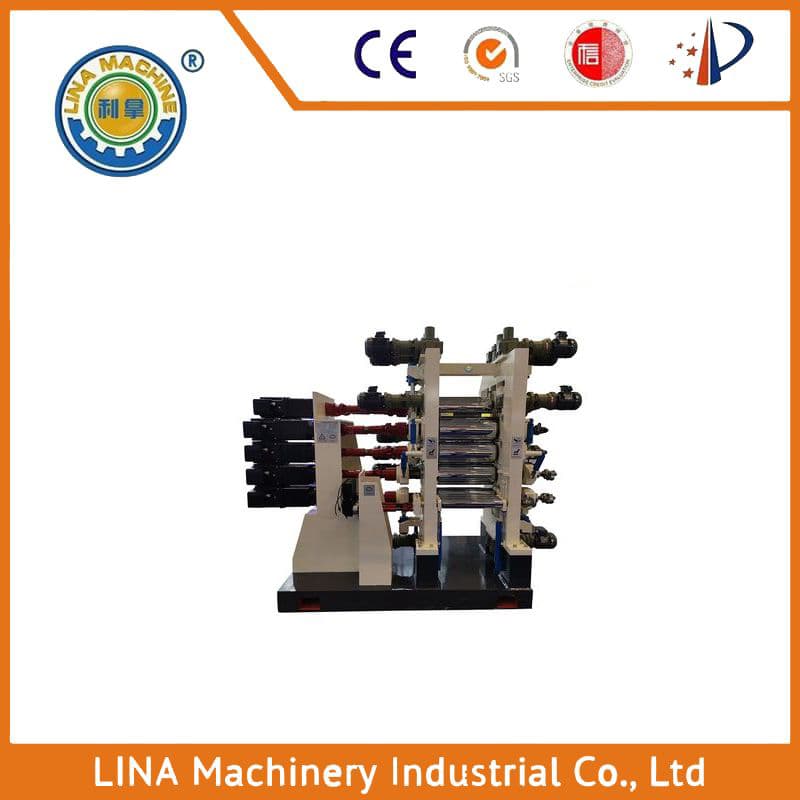
Another advantage of electric sulfurizing machines is their ability to produce a wide range of products. From automotive parts to electronic components, these machines can handle a variety of materials and processes. This flexibility allows manufacturers to tailor their products to meet specific needs and market demands.
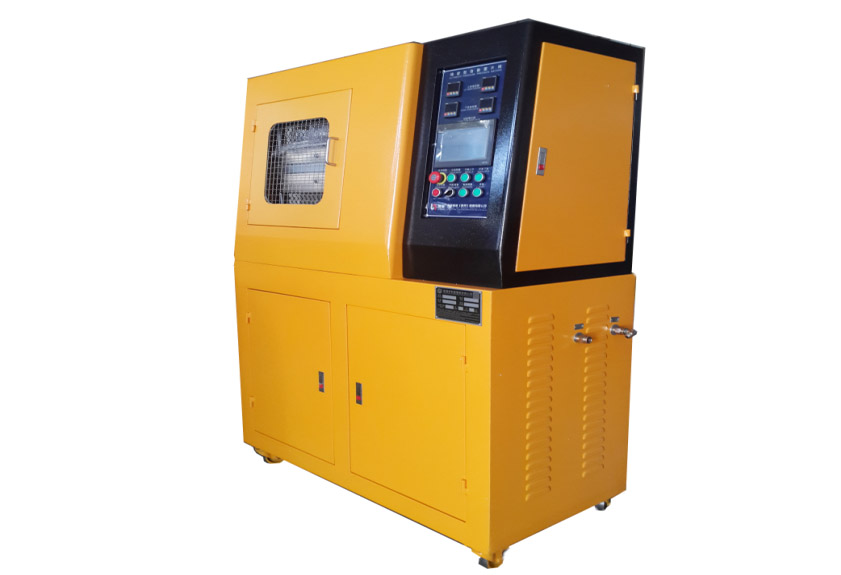
Despite their many advantages, there are some potential drawbacks to using electric sulfurizing machines. One concern is the environmental impact of the sulfur used in the process. While this may be minimized through proper disposal practices, it is important to consider the overall impact of the manufacturing process on the environment.
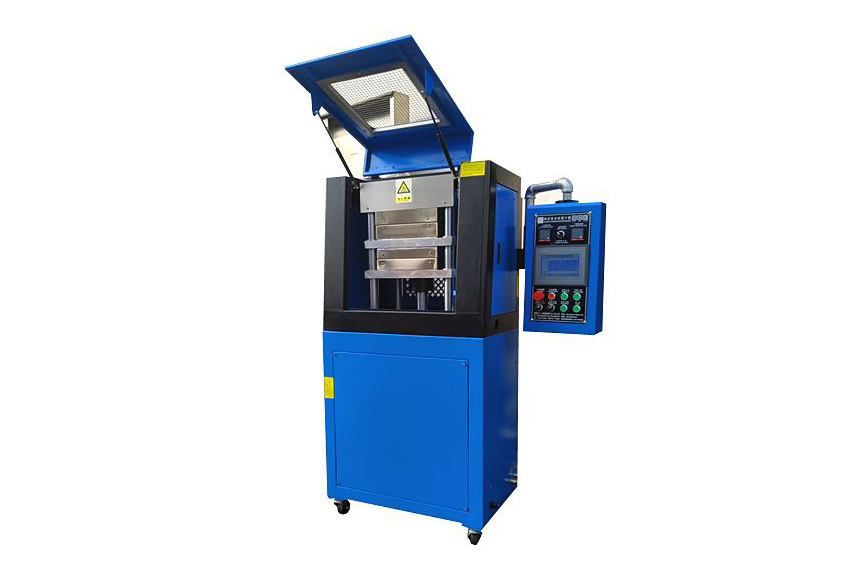
In conclusion, electric sulfurizing machines have become an essential tool in the manufacturing industry due to their efficiency, speed, and ability to produce a wide range of products. As technology continues to advance, we can expect to see even more innovative solutions that will further enhance our ability to manufacture high-quality products at scale.