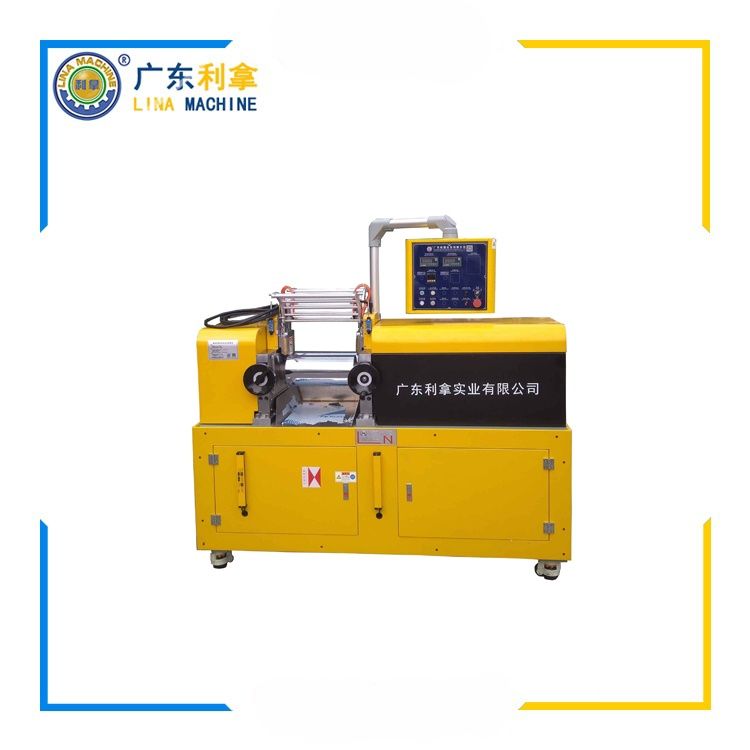
The Art of Molding Machines: Understanding the Power of Plastic Formation
In the realm of industrial manufacturing, molding machines stand as the unsung heroes of plastic engineering. These sophisticated tools are designed to transform raw materials into precise, durable components that are essential in a wide range of industries. From automotive parts to electronic devices, molding machines play a crucial role in shaping and assembling products with precision and efficiency.
At its core, a molding machine is a complex assembly of hardware and software that utilizes heat and pressure to create a three-dimensional form from a two-dimensional sheet of plastic. This process involves feeding the plastic material through a die or mold, which defines the shape of the final product. The machine then applies heat and pressure to the material, causing it to flow and conform to the contours of the die. As the material cools and solidifies, it forms the desired part, leaving behind the mold.

The design of a molding machine is critical to its performance. It must be able to handle a wide range of materials and produce consistent results across different applications. This requires a combination of advanced technology, including computer-aided design (CAD) software, numerical control (NC) systems, and high-speed motors. Additionally, the machine must be equipped with robust safety features to prevent accidents and ensure the well-being of operators.
One of the key benefits of molding machines is their ability to produce parts with high accuracy and repeatability. By using computer-controlled systems, manufacturers can precisely adjust the temperature and pressure settings to achieve the desired dimensions and surface finish. This not only saves time and resources but also improves product quality and reduces waste.
Another advantage of molding machines is their ability to process a wide range of materials. From thermoplastics like polycarbonate and ABS to thermosets like epoxy and phenolic resin, these machines can handle a variety of materials with ease. This flexibility allows manufacturers to tailor their products to specific requirements and meet changing market demands.
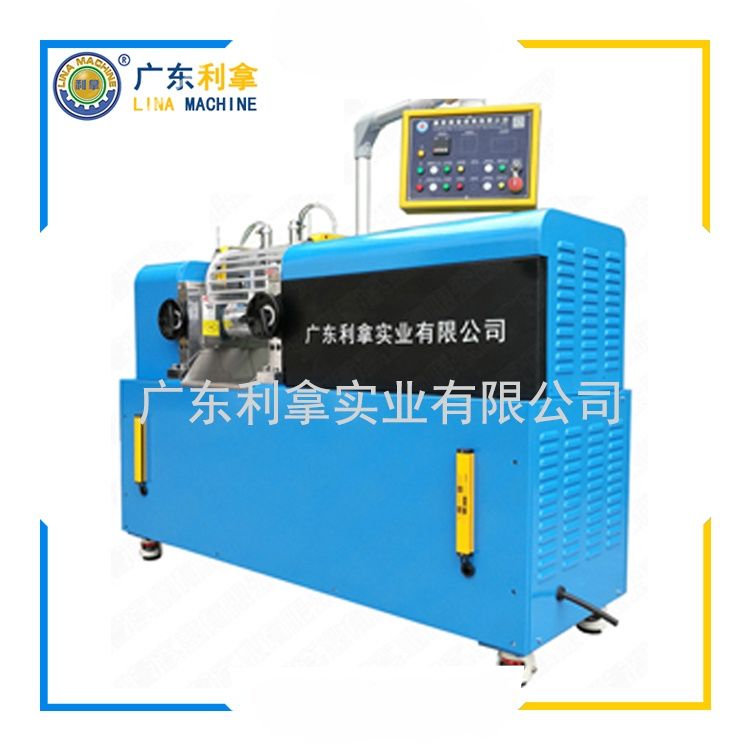
Despite their many advantages, molding machines still face challenges in today's fast-paced manufacturing world. One of the main concerns is the need for ongoing maintenance and upgrades to keep up with technological advancements. Additionally, there is a growing demand for more energy-efficient and sustainable solutions that reduce carbon emissions and minimize waste.
In conclusion, molding machines are an essential tool for the modern manufacturing industry. With their ability to produce parts with precision and consistency, they have become a vital component in the production of a wide range of products. As technology continues to advance, we can expect to see even more innovative designs and improvements in this field.