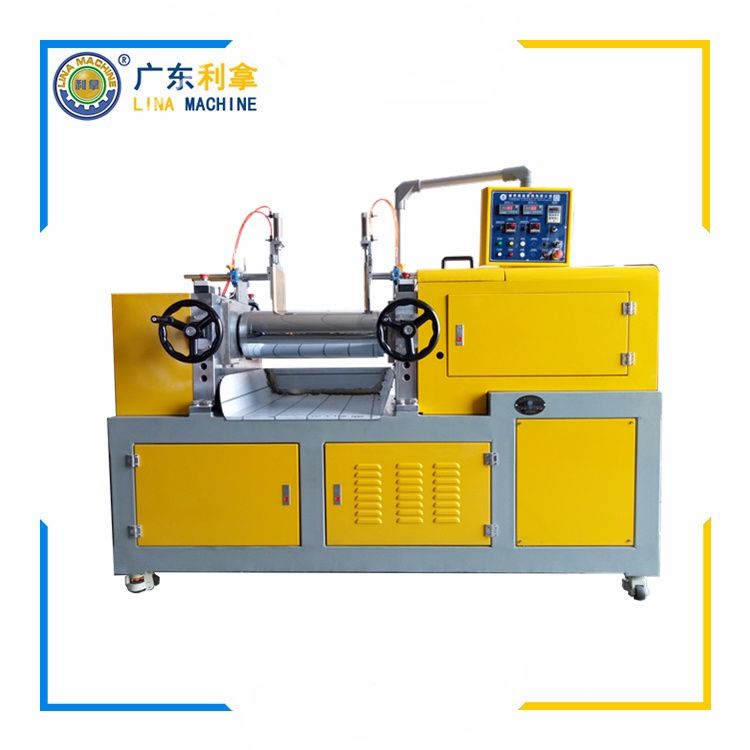
The Role of Pressing and Extrusion Machines in the Manufacturing Industry
Pressing and extrusion machines are essential tools in the manufacturing industry, particularly in the production of plastic products. These machines play a crucial role in shaping and molding various materials into desired shapes and sizes. In this article, we will explore the different types of pressing and extrusion machines, their applications, and how they contribute to the overall production process.
Firstly, let's discuss the basic principles behind these machines. Pressing machines use hydraulic or pneumatic pressure to compress materials, while extrusion machines use heat and pressure to melt and shape the material. Both machines require precise control over the temperature and pressure settings to achieve optimal results.
There are several types of pressing and extrusion machines available in the market, including:
1. Hydraulic presses: These machines use hydraulic fluid to provide pressure to the workpiece. They are commonly used for mass-producing plastic parts and components.
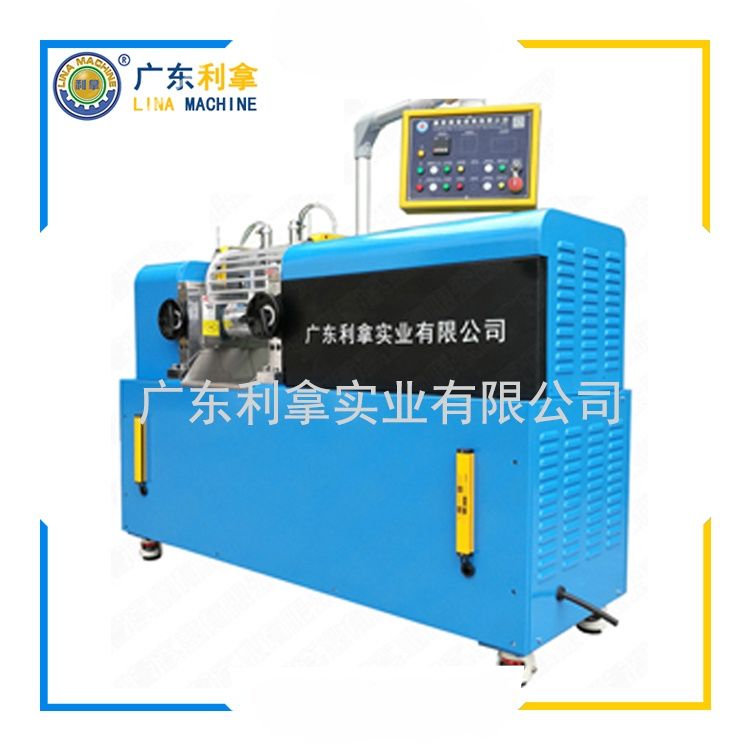
2. Pneumatic presses: These machines use air pressure to compress the workpiece. They are suitable for small-scale production and can be used to produce intricate designs.
3. Die-casting machines: These machines use a die to shape the workpiece, which is then removed from the die to form a finished product. They are commonly used for producing automotive parts and other precision-required items.
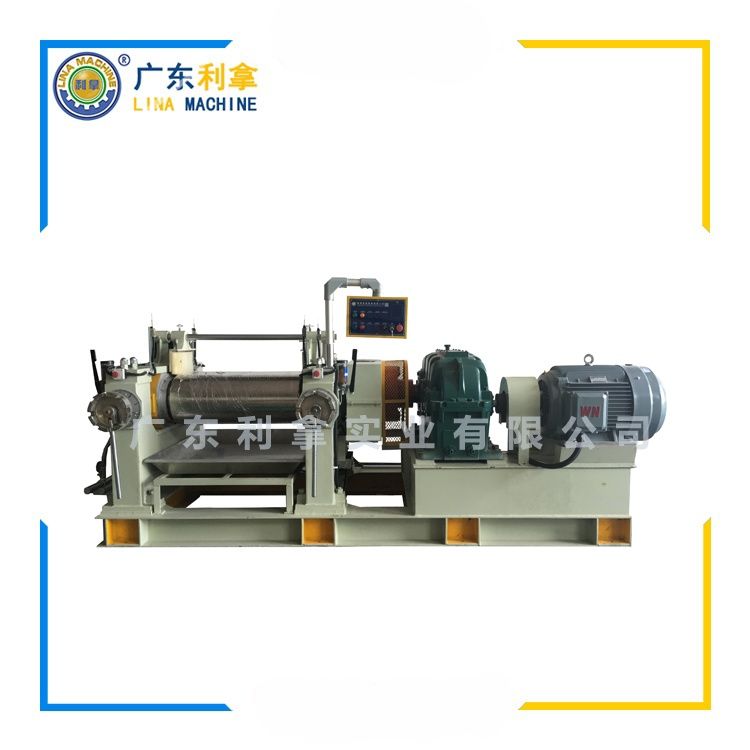
4. Compounding machines: These machines combine multiple materials into a single compound, which is then processed into a final product. They are commonly used for producing composite materials and other advanced materials.
The applications of pressing and extrusion machines are vast, ranging from consumer goods such as toys and electronics to industrial products such as automotive parts and medical equipment. By using these machines, manufacturers can produce high-quality products with consistent dimensions and specifications.
In conclusion, pressing and extrusion machines play a vital role in the manufacturing industry by enabling the production of diverse materials into precise shapes and sizes. By understanding the different types of these machines and their applications, manufacturers can optimize their production processes and improve efficiency and quality.