



The Art of Particle Formation in Ceramic Powder Making Machines
Ceramic powder making machines play a crucial role in the production process of ceramic materials. These machines are designed to convert raw materials into fine, uniformly sized ceramic powders that are essential for various applications such as electronics, construction, and automotive industries. In this article, we will explore the different types of ceramic powder making machines, their working principles, and how they contribute to the quality and consistency of ceramic powders.
Firstly, there are two main types of ceramic powder making machines: ball milling machines and fluidized bed grinding machines. Ball milling machines use rotating balls to grind the raw materials, resulting in a finer and more uniformly sized powder. On the other hand, fluidized bed grinding machines use air or gas to carry the raw materials through a fluidized bed, where they are subjected to high-speed collisions with each other and the grinding media, leading to a more efficient and cost-effective powder formation process.
The working principle of both types of machines is based on the principle of mechanical energy input and particle size reduction. During the grinding process, the raw materials are subjected to intense physical forces, such as impact, friction, and compression, which result in the breaking down of larger particles into smaller ones. This process is repeated multiple times until the desired particle size is achieved.
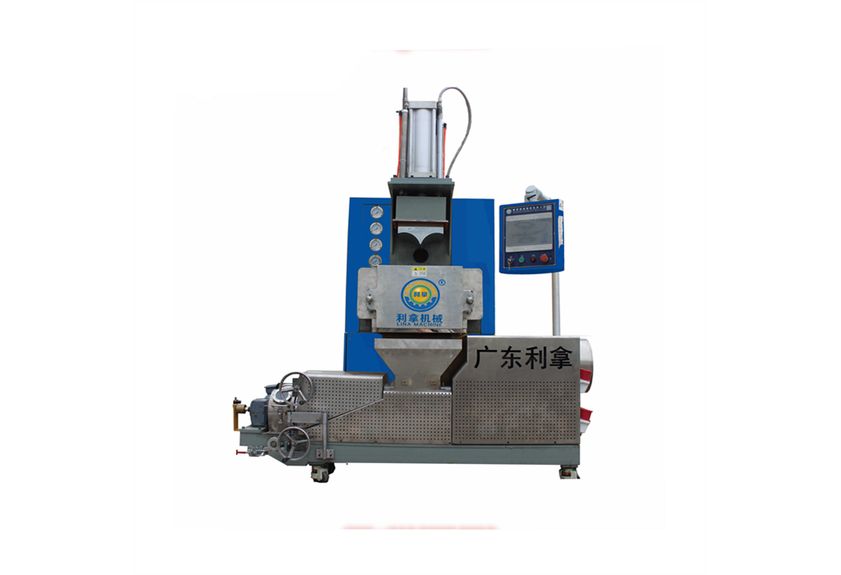
The quality and consistency of ceramic powders produced by these machines are critical factors in determining the performance of the final product. Therefore, it is important to select the appropriate machine type and operating parameters based on the specific requirements of the application. Additionally, regular maintenance and calibration of the equipment can help ensure consistent and reliable powder production.
In conclusion, ceramic powder making machines play a vital role in the production of ceramic materials. By understanding the different types of machines available and their working principles, manufacturers can optimize their processes and produce high-quality ceramic powders that meet the needs of various industries.