
The Art of the Pulverizer: A Comprehensive Guide to Its Function, Operation, and Application
The pharmaceutical industry is a highly specialized field that requires precise control over the quality and consistency of its products. One of the key pieces of equipment used in this industry is the pharmaceutical pulverizer, also known as a granulator or mill. In this article, we will delve into the world of pharmaceutical pulverizers, their functions, how they operate, and their diverse applications across various industries.
Firstly, let's understand what a pharmaceutical pulverizer is. It is a machine designed to break down solid materials into smaller particles, typically ranging from microns to nanometers. This process is crucial for several reasons. Firstly, it ensures that the final product has a consistent size distribution, which is essential for its efficacy and safety. Secondly, it allows for easy mixing and blending of ingredients, making it easier to formulate complex drugs. Finally, it reduces the risk of clumping or agglomeration, which can affect the drug's stability and shelf life.
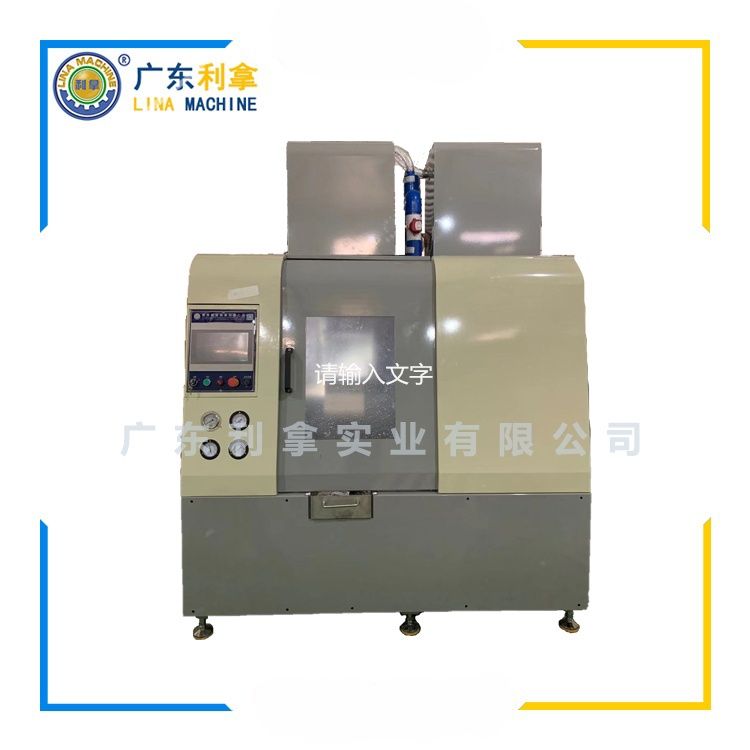
Now, let's explore the different types of pharmaceutical pulverizers available in the market. There are two main categories: mechanical and wet grinding methods. Mechanical pulverizers use rotating blades or rollers to crush the material, while wet grinding methods involve submerging the material in a liquid medium before crushing. Both methods have their advantages and disadvantages, but the choice depends on the specific requirements of the pharmaceutical product being produced.
One of the most common applications of pharmaceutical pulverizers is in the production of tablets and capsules. In these processes, the crushed material is mixed with binders, fillers, and other excipients to form a uniform mass that can be shaped into tablets or capsules. The pulverizer plays a critical role in ensuring that the final product has a consistent size distribution and is free from impurities.
Another important application of pharmaceutical pulverizers is in the production of powdered dosage forms such as powders, granules, and granules. These products are often used in oral medications, injectable drugs, and topical creams. The pulverizer is essential in ensuring that the final product has a consistent size distribution and is free from impurities, which can affect its efficacy and safety.
In addition to these applications, pharmaceutical pulverizers are also used in the production of other pharmaceutical products such as ointments, gels, and suspensions. The pulverizer plays a critical role in ensuring that the final product has a consistent size distribution and is free from impurities, which can affect its efficacy and safety.
In conclusion, pharmaceutical pulverizers are an essential tool in the pharmaceutical industry for producing high-quality drugs that meet regulatory standards. By understanding their functions, operating principles, and diverse applications, we can better appreciate the importance of these machines in our daily lives.