Advanced Technology in Material Processing: The Development of Absorbent Materials for Radiation Shielding
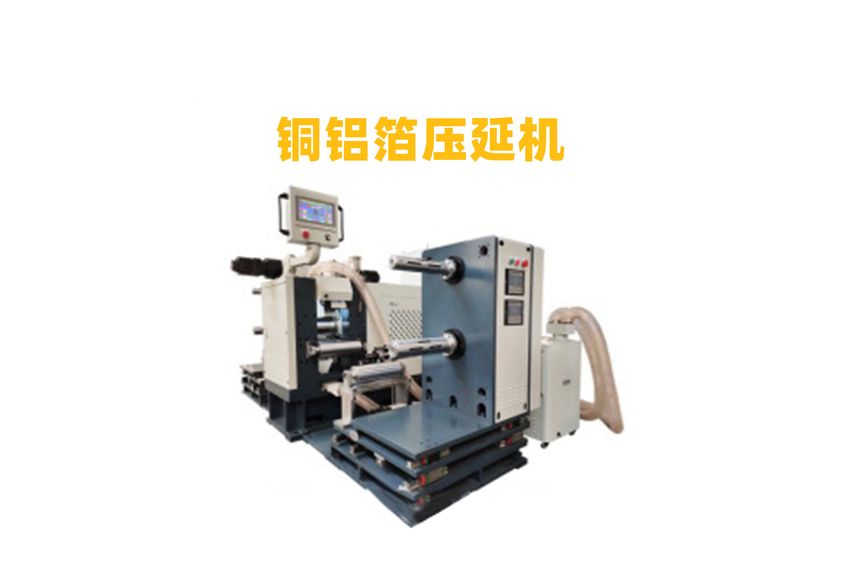
In the field of radiation shielding, the precision pressing machine for absorbing material is a crucial tool that enables the production of high-quality absorbent materials. This machine uses advanced technology to process and shape these materials into precise shapes, ensuring their effectiveness in blocking or reducing the effects of electromagnetic waves.
The development of this machine has been driven by the increasing demand for radiation protection in various industries, such as nuclear power, medical imaging, and military applications. As the threat of nuclear terrorism and the proliferation of radioactive materials continues to rise, there is a growing need for reliable and efficient radiation shielding solutions.
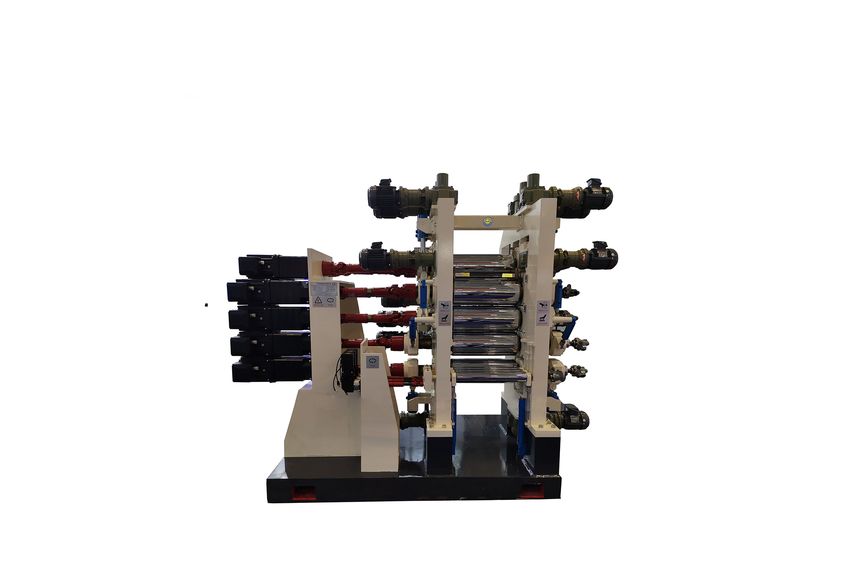
The precision pressing machine for absorbing material is designed to handle a wide range of materials, including polymers, metals, and ceramics. It employs state-of-the-art machinery and software to control the shaping process, ensuring that the final product meets the required specifications.
One of the key features of this machine is its ability to produce highly uniform and consistent absorbent materials. By using advanced algorithms and sensors, the machine can accurately measure and control the thickness, density, and other properties of the materials being processed. This ensures that the final product is effective in blocking or reducing the effects of radiation.

Another important aspect of this machine is its flexibility and adaptability. It can be easily customized to meet the specific needs of different industries and applications. This makes it a valuable tool for researchers and engineers who are working on new technologies and materials.
In conclusion, the precision pressing machine for absorbing material is a game-changer in the field of radiation shielding. Its advanced technology and ability to produce high-quality absorbent materials make it an essential tool for protecting people and infrastructure from the harmful effects of radiation. As technology continues to advance, we can expect to see even more innovative solutions like this one, making our world safer and more secure.