The Art of Particle Formation in Ceramic Powder Making Machines
Ceramic powder making machines are essential tools for the production of ceramic materials, which have found wide applications in various industries such as electronics, automotive, and construction. These machines are designed to process raw materials into finely dispersed ceramic powders, which can then be used as a binder or filler in other products. In this article, we will explore the different types of ceramic powder making machines and their respective advantages and disadvantages.
The first type of ceramic powder making machine is the ball mill, which uses grinding media to break down the raw material into smaller particles. This method is simple and cost-effective, but it requires a large amount of energy and may produce impurities in the final product. Another popular type of machine is the jet mill, which uses high-speed airflow to break down the raw material into small particles. This method produces more uniformly sized particles and is faster than ball milling, but it requires a significant amount of energy and may generate dust.
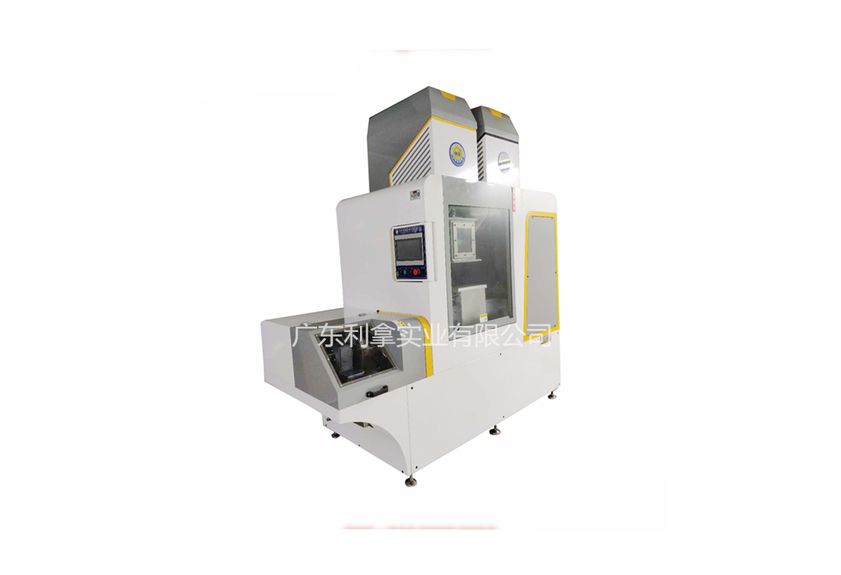
Another type of machine is the fluidized bed, which uses a gaseous medium to carry the raw material through a series of chambers. This method produces very fine particles and is suitable for producing high-purity ceramic powders. However, it requires a large amount of energy and may be difficult to scale up for larger-scale production.
In addition to these traditional methods, there are also newer technologies being developed for ceramic powder making machines. For example, some machines use laser technology to break down the raw material into smaller particles, while others use ultrasonic waves to achieve similar results. These advanced techniques offer potential improvements in terms of particle size distribution and energy efficiency.
Overall, the choice of ceramic powder making machine depends on the specific requirements of the application and the desired properties of the final product. By understanding the different types of machines and their respective advantages and disadvantages, manufacturers can make informed decisions about which equipment to purchase and how to optimize their production processes.