



The Laboratory Kneading Machine: A Critical Component in the Scientific Process
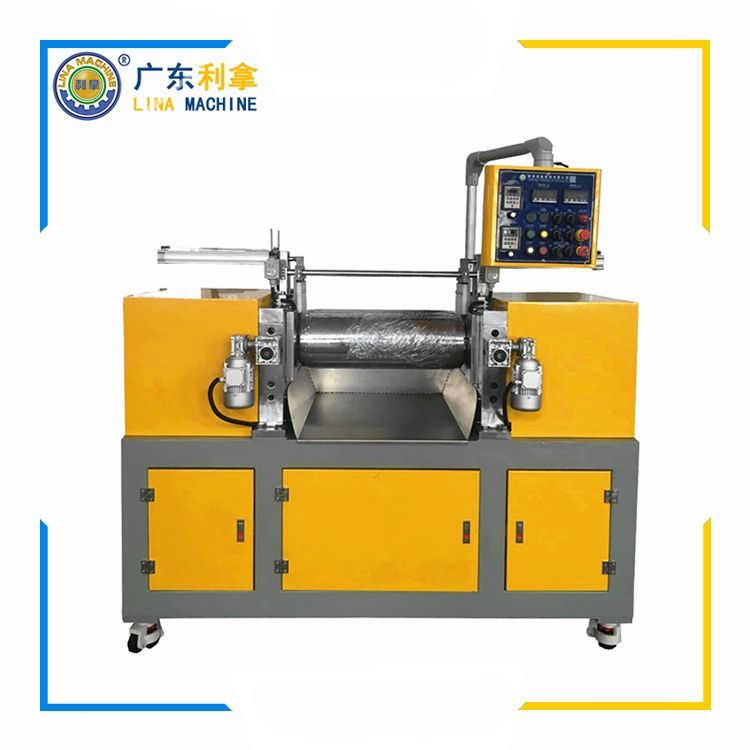
The laboratory kneading machine, also known as a vulcanizer or a mixer, is an essential tool for scientists and researchers in the field of materials science. Its primary function is to blend, knead, and mix various substances, such as polymers, plastics, and rubber compounds, into a uniform and homogeneous mixture. This process is crucial for the development and optimization of new materials, as it allows for precise control over the properties of the final product.
The kneading machine operates by using a rotating drum that is surrounded by rollers, which apply pressure and force to the material being processed. This mechanical action causes the molecules within the material to move and interact with each other, resulting in a more stable and cohesive structure. The speed and temperature of the kneading process can be adjusted to achieve different levels of mixing and processing, depending on the specific requirements of the material being produced.
One of the key advantages of the laboratory kneading machine is its ability to handle a wide range of materials, from simple polymers to complex composites. It can also be used to produce small batches of material, which are ideal for testing and developing new products. Additionally, the kneading machine can be customized to fit specific needs, such as incorporating specialized additives or modifying the mixing process to achieve desired outcomes.
In the scientific community, the laboratory kneading machine is often referred to as a "black box" because of its complexity and the many variables that can affect its performance. However, by understanding its basic principles and capabilities, scientists can optimize their experiments and produce high-quality materials that meet their research objectives.

1. Laboratory Kneading Machine
2. Material Science
3. Polymer Mixing
4. Mechanical Action
5. Optimization
The laboratory kneading machine is a critical component in the scientific process, enabling scientists to blend, knead, and mix various substances into a uniform and homogeneous mixture. Its ability to handle a wide range of materials and customize its performance makes it an essential tool for the development and optimization of new materials. By understanding its basic principles and capabilities, scientists can optimize their experiments and produce high-quality materials that meet their research objectives.