
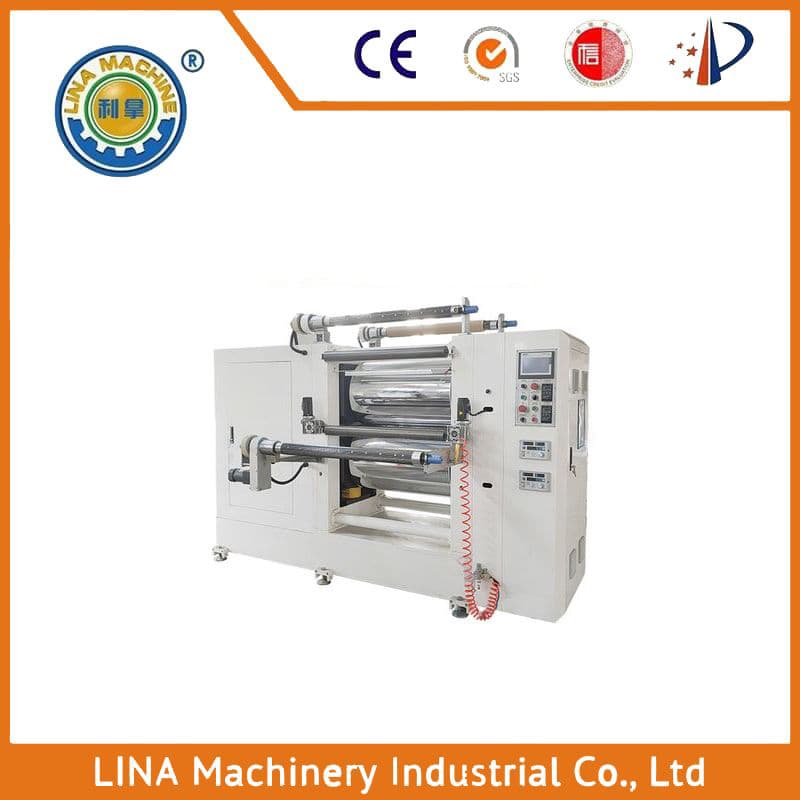
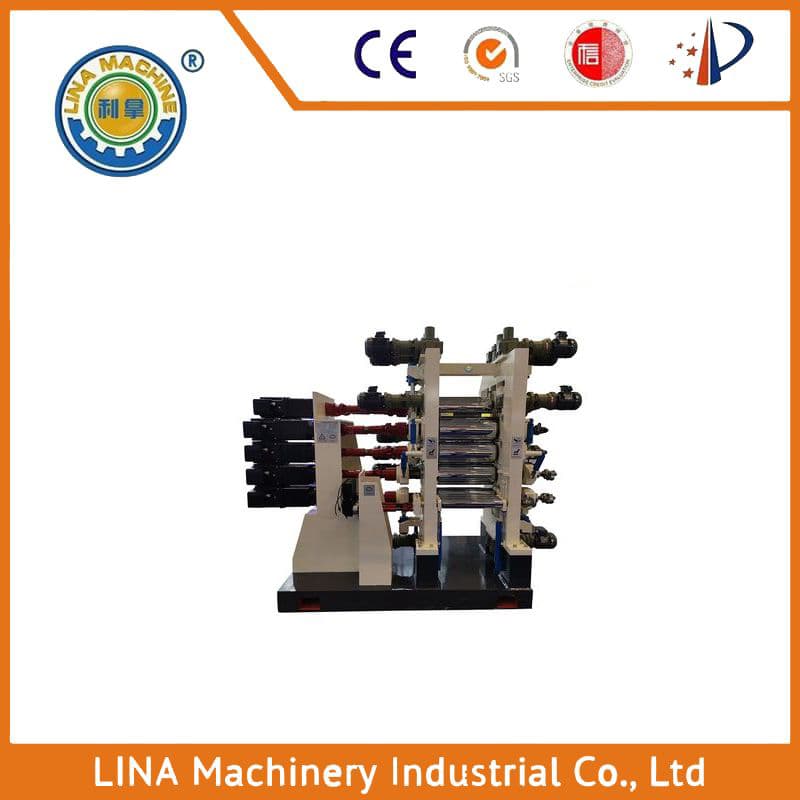
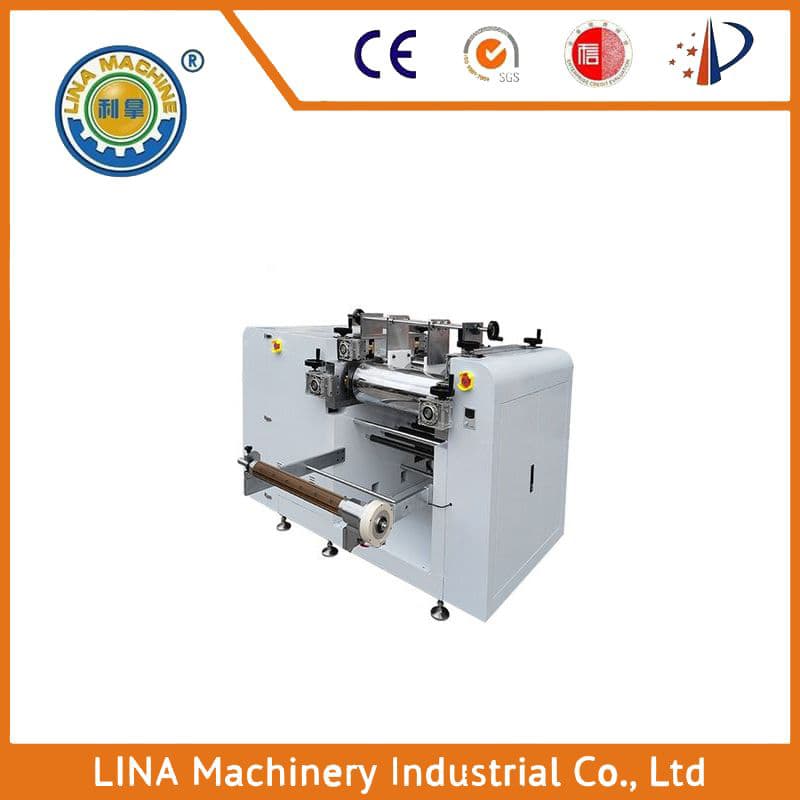
The Importance of Polymer Material Granulation Machines
The development and application of polymer materials have revolutionized the world, from everyday products to advanced technologies. One crucial step in the production process is the granulation of polymer materials, which involves converting them into a uniform, granular form that can be easily handled and processed. This process is essential for many industries, including the pharmaceutical, automotive, and electronics sectors. In this article, we will explore the importance of polymer material granulation machines and their role in the production process.
Firstly, polymer material granulation machines play a vital role in ensuring the quality and consistency of the final product. By using these machines, manufacturers can produce granulated materials with a consistent size and shape, which helps to improve the overall performance of the product. This is particularly important in the pharmaceutical industry, where the quality and consistency of the drug particles are critical to the effectiveness of the medication.
Secondly, polymer material granulation machines are essential for reducing waste and minimizing costs. By producing granulated materials in bulk, manufacturers can reduce the amount of raw materials needed and minimize the amount of packaging required. This not only reduces waste but also saves money on transportation and storage costs.
Thirdly, polymer material granulation machines are used in various applications, including food processing, textiles, and construction. In the food industry, granulated materials are used as fillers or additives to enhance the texture and flavor of food products. In textiles, granulated materials are used as reinforcement agents to improve the strength and durability of fabrics. In construction, granulated materials are used as lightweight aggregates to reduce the weight of building materials.
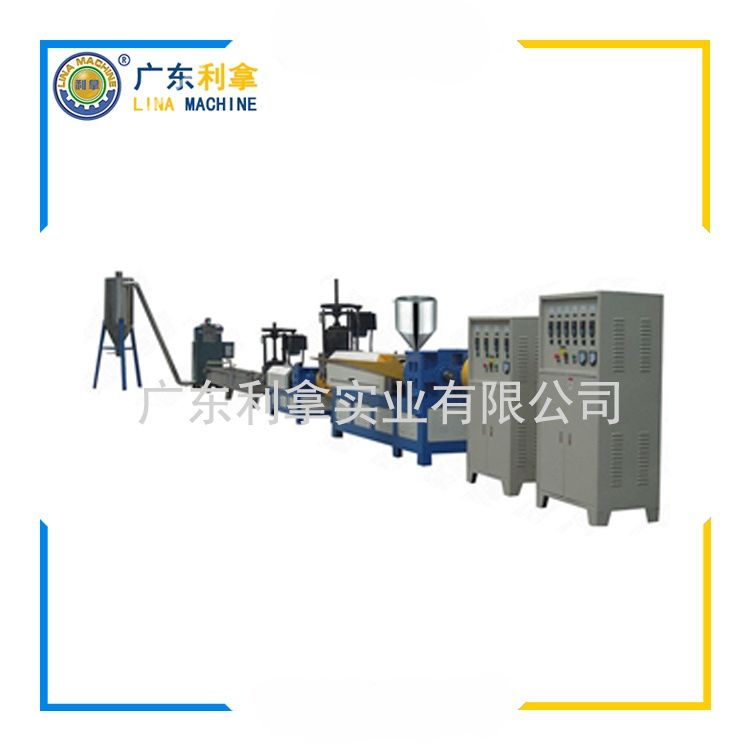
Finally, polymer material granulation machines are constantly evolving and improving, making them more efficient and cost-effective. New technologies such as automation and robotics are being developed to further enhance the efficiency of these machines and make them more adaptable to different production requirements.