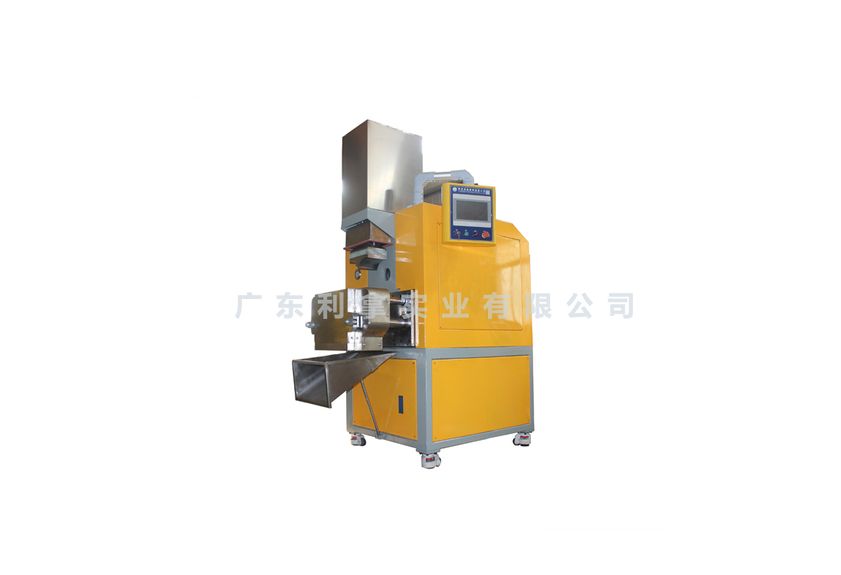
The Importance of Powder Metallurgy Vacuum Mixing Machines
Powder metallurgy (PM) is a process that involves the compaction of powdered metal or alloy into a dense, homogeneous structure. This method is widely used in industries such as automotive, aerospace, and electronics due to its ability to produce high-quality parts with minimal waste. One critical component of PM processes is the vacuum mixing machine, which is responsible for creating a uniformly mixed and compacted material. In this article, we will explore the importance of vacuum mixing machines in the PM process and their role in achieving optimal results.
The vacuum mixing machine is an essential tool in the PM process because it allows for the creation of a highly compacted material without the need for additional pressure. This is achieved by using a vacuum system that removes air from the mixing chamber, reducing the internal pressure and promoting better mixing. By doing so, the machine ensures that the powder is evenly distributed throughout the compacted material, resulting in a more consistent product.
In addition to its role in creating a uniformly mixed material, the vacuum mixing machine also plays a crucial role in reducing the amount of energy required for the process. By removing air from the mixer, the machine can operate at lower temperatures, which reduces the risk of thermal damage to the powder and alloy. This not only saves energy but also improves the overall quality of the product.
Another advantage of vacuum mixing machines is their ability to handle a wide range of materials. Whether it's aluminum, copper, or steel, these machines can be customized to suit specific needs and requirements. This flexibility allows for the production of a wide range of products, making them ideal for various industries.
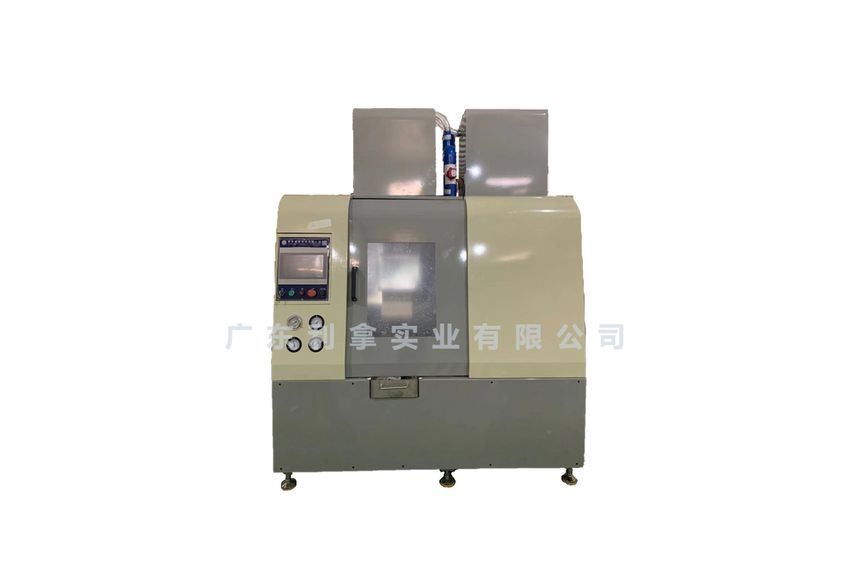
In conclusion, vacuum mixing machines are critical components of the PM process, providing an efficient and effective way to create a uniformly mixed material. Their ability to reduce energy consumption and minimize thermal damage makes them an essential tool for producing high-quality parts in various industries. As technology continues to advance, we can expect to see further improvements in these machines, leading to even greater efficiency and productivity in the PM process.