



The Art of Clay Particle Formation: A Comprehensive Guide to Ceramic Powder Grinding Machines
Ceramic powder grinding machines are essential tools in the ceramics industry, enabling the creation of high-quality ceramic products with consistent particle sizes and shapes. These machines play a crucial role in the manufacturing process by efficiently breaking down raw materials into finely ground powders, which can then be molded and sintered to produce finished ceramic products. In this article, we will explore the various types of ceramic powder grinding machines available in the market, their applications, and how they contribute to the success of ceramic production.
Firstly, let us understand the basic principles behind ceramic powder grinding machines. These machines use different methods to break down the raw materials into smaller particles, such as ball milling, rod milling, and ultrasonic milling. Ball milling is the most common method used in industrial settings, where the raw materials are mixed with abrasive balls that rotate inside a cylinder. This process helps to crush the material and evenly distribute it throughout the machine. Rod milling, on the other hand, uses a rotating rod to grind the material, resulting in a more uniform particle size distribution. Ultrasonic milling, a relatively new technology, uses high-frequency sound waves to break down the material, resulting in a more efficient grinding process.
Now, let's discuss the different types of ceramic powder grinding machines available in the market. There are two main categories: batch and continuous systems. Batch systems involve grinding the material in a single operation, while continuous systems involve grinding the material continuously over time. Both types have their advantages and disadvantages, but the choice depends on the specific requirements of the ceramic manufacturer.
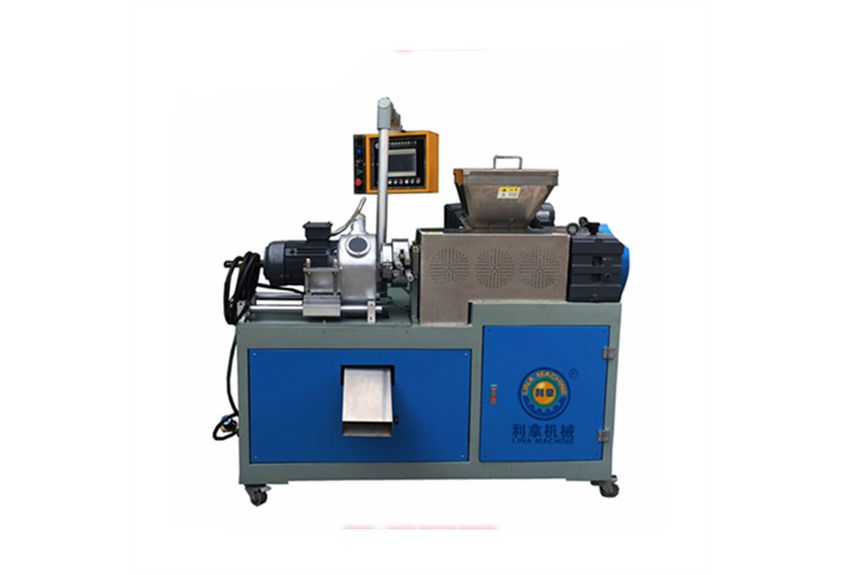
One of the most popular batch systems is the ball mill. It is simple to operate and requires minimal maintenance, making it ideal for small-scale production. However, the grinding efficiency of ball mills is not as high as that of continuous systems, and the material may become contaminated during grinding. On the other hand, continuous systems like rod mills and ultrasonic mills offer higher grinding efficiency and better particle size control, but they require more space and are more expensive to operate.
In addition to the type of grinding machine, several factors also influence the performance of ceramic powder grinding machines. One of these factors is the selection of appropriate grinding media. Different types of media, such as abrasive balls, rods, and beads, have varying levels of abrasiveness and hardness, which can affect the grinding efficiency and particle size distribution. Another factor is the speed of rotation of the grinding media, which affects the rate at which the material is crushed and ground.
Finally, it is essential to consider the environmental impact of ceramic powder grinding machines. While these machines are essential for producing high-quality ceramic products, they can also contribute to pollution if not properly managed. Therefore, manufacturers should prioritize using eco-friendly materials and adopting sustainable practices to minimize their environmental footprint.
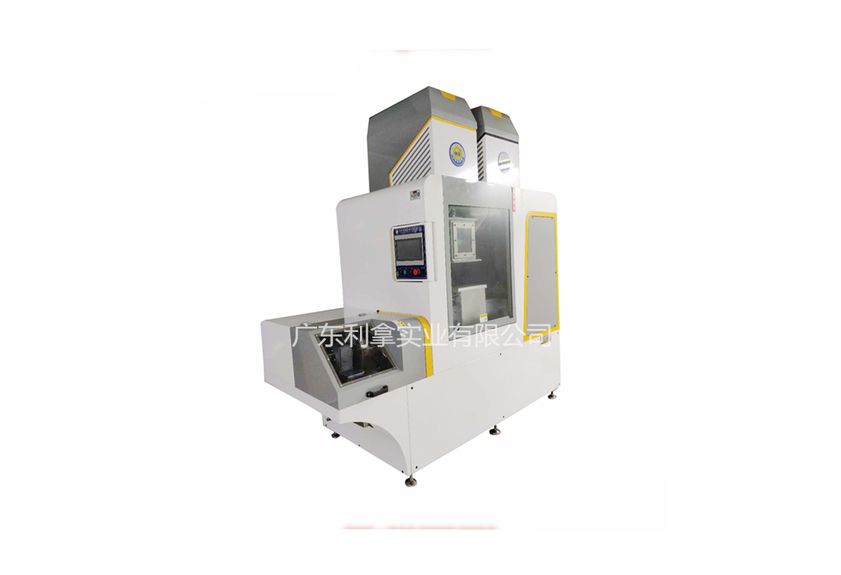
In conclusion, ceramic powder grinding machines play a crucial role in the ceramics industry by ensuring the consistency and quality of the final product. By understanding the different types of grinding machines available, their applications, and how they contribute to ceramic production, manufacturers can make informed decisions about their equipment needs. As technology continues to advance, it is likely that new grinding machines will emerge that further enhance the efficiency and sustainability of ceramic production.