



The Art of Vacuum Mixing: A Closer Look at Vacuum Mixing Machines
In the realm of industrial machinery, vacuum mixing machines stand out as a testament to technological advancement. These machines are designed to perform complex chemical reactions in a controlled and efficient manner, often resulting in products with superior quality and consistency. At the heart of these machines lies the principle of vacuum mixing, which involves creating a low-pressure environment within the chamber to facilitate the mixing of ingredients without the risk of air entrapment.
One of the key benefits of vacuum mixing is its ability to achieve uniform distribution of materials. In a typical process, air pockets can form during mixing, leading to uneven distribution of ingredients. However, by using a vacuum system, these air pockets are quickly drawn away, ensuring that all components are thoroughly mixed and evenly distributed. This results in a product with consistent properties and enhanced performance.
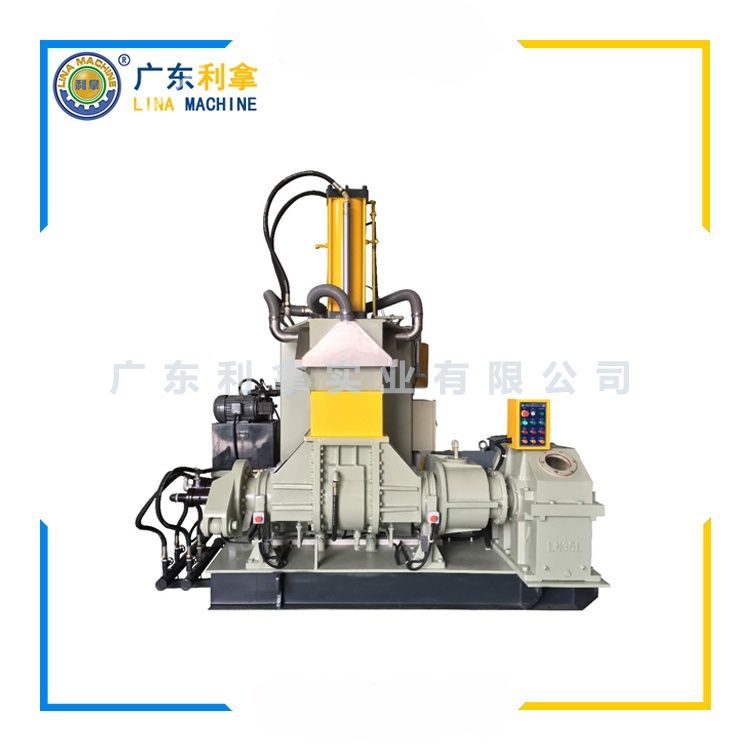
Another advantage of vacuum mixing is its ability to reduce energy consumption. Since the mixing process is conducted under vacuum conditions, there is no need for high-speed stirring or agitation, which can significantly reduce power requirements. This not only saves on energy costs but also contributes to environmental sustainability by reducing emissions from the production process.
Moreover, vacuum mixing machines come equipped with advanced sensors and control systems that enable precise regulation of temperature, pressure, and other parameters. These features ensure that the mixing process is optimized for each specific material and reaction, resulting in better yields and product quality.
In conclusion, vacuum mixing machines represent a powerful tool in the world of industrial manufacturing. By harnessing the principles of vacuum technology, manufacturers can achieve higher levels of efficiency, consistency, and quality in their products. As the demand for precision and reliability continues to grow, vacuum mixing machines will undoubtedly play an increasingly important role in the future of industrial production.