




The Ultimate Guide to High-Speed Mixers
In the realm of industrial machinery, high-speed mixers stand out as a vital tool for blending and mixing materials with precision and speed. These machines are designed to handle a wide range of applications, from food processing to pharmaceuticals, and they have become an essential part of many modern manufacturing processes. In this article, we will explore the key features, benefits, and considerations when selecting and using a high-speed mixer.
Key Features of High-Speed Mixers:
1. Speed: High-speed mixers operate at speeds ranging from 500 RPM to 30,000 RPM, depending on the model. This high-speed operation ensures that materials are thoroughly mixed within a short time frame, resulting in a more uniform product.
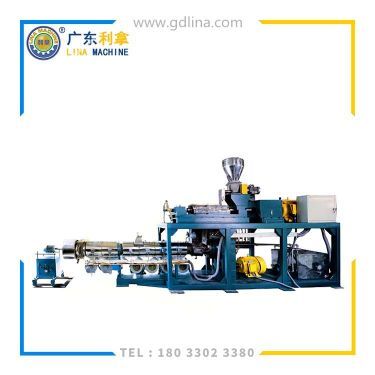
2. Capacity: High-speed mixers come in various sizes, ranging from small laboratory models to large industrial units. Depending on the application, it is important to choose a mixer that can handle the required volume of material.
3. Design: High-speed mixers are typically designed with a rotating drum or disc that rotates at high speeds. Some models also feature additional features such as stirring bars or impellers to enhance mixing efficiency.
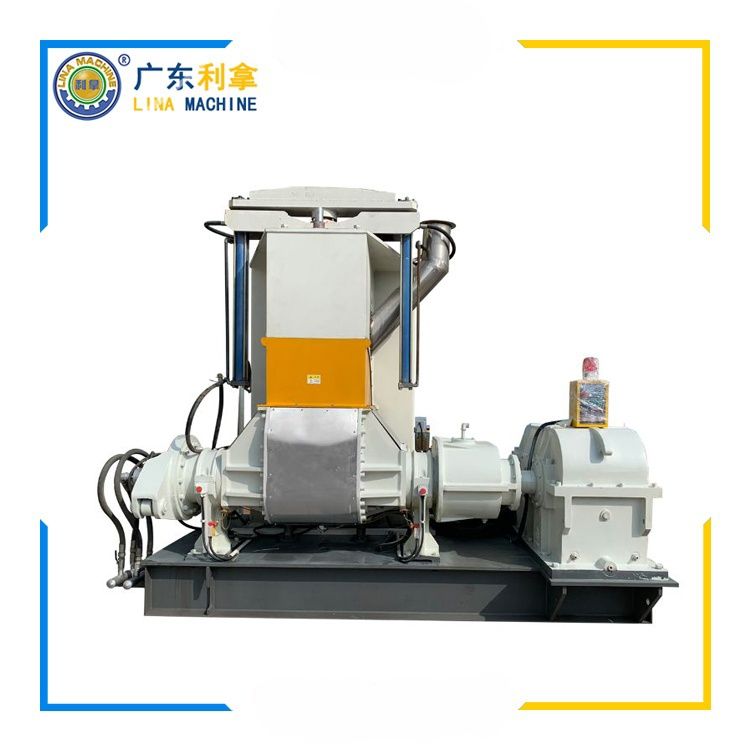
4. Safety Features: Many high-speed mixers come equipped with safety features such as overload protection, automatic shutoff, and vibration damping systems. These features help ensure that the machine operates safely and efficiently.
Benefits of High-Speed Mixers:
1. Efficiency: High-speed mixers can process large volumes of material quickly, reducing downtime and labor costs. They also produce a more uniform product, which can improve quality and reduce waste.
2. Versatility: High-speed mixers can be used for a wide range of applications, including but not limited to food processing, pharmaceuticals, cosmetics, and chemical industries.
3. Easy Maintenance: Most high-speed mixers are designed with easy-to-clean parts, making them easier to maintain and extend their lifespan.
Considerations When Selecting a High-Speed Mixer:
1. Application: Before selecting a high-speed mixer, it is important to determine the specific application and requirements of the project. This includes considering the type of material being processed, the desired mixing speed, and the expected output size.
2. Capacity: Determine the required capacity of the mixer based on the volume of material needed for the project. This will help ensure that the mixer can handle the required volume without compromising performance.
3. Cost: High-speed mixers can be expensive, so it is important to compare different models and their features to find the best value for money. Consider the cost of installation, maintenance, and replacement parts.
Conclusion:
High-speed mixers are a valuable asset for any manufacturing or processing facility. With their ability to process large volumes of material quickly and efficiently, these machines can significantly improve productivity and reduce costs. By carefully considering the application, capacity, and cost when selecting a high-speed mixer, businesses can ensure that they are getting the most out of their investment.