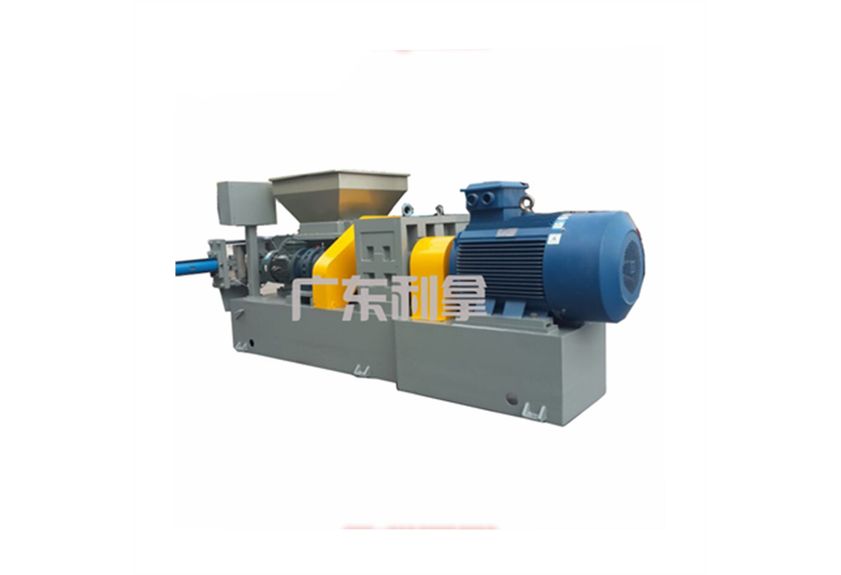



Understanding the Forced Feed Extruder
The forced feed extruder is a crucial component in the manufacturing process of many industries. It is designed to ensure that materials are fed into the extruder at a consistent rate, regardless of the type of material being processed. This ensures that the final product produced is uniform and consistent in quality. In this article, we will explore the different types of forced feed extruders available and their applications in various industries.
One of the most common types of forced feed extruders is the screw extruder. This type of extruder uses a rotating screw to force the material through the die, which is a small opening in the extruder's end. The screw has a series of holes or grooves on its surface, which allow the material to pass through and be ejected from the end of the extruder. The screw is usually made of high-carbon steel and is designed to withstand the high temperatures and pressures generated during the extrusion process.
Another popular type of forced feed extruder is the twin-screw extruder. This extruder consists of two parallel screws that rotate together, pushing the material through the die. The twin-screw extruder is ideal for materials that require more complex processing, such as those with a high melt viscosity or a low melt flow rate. The twin-screw extruder also allows for better control over the temperature and pressure in the extruder, which can help to improve the quality of the final product.
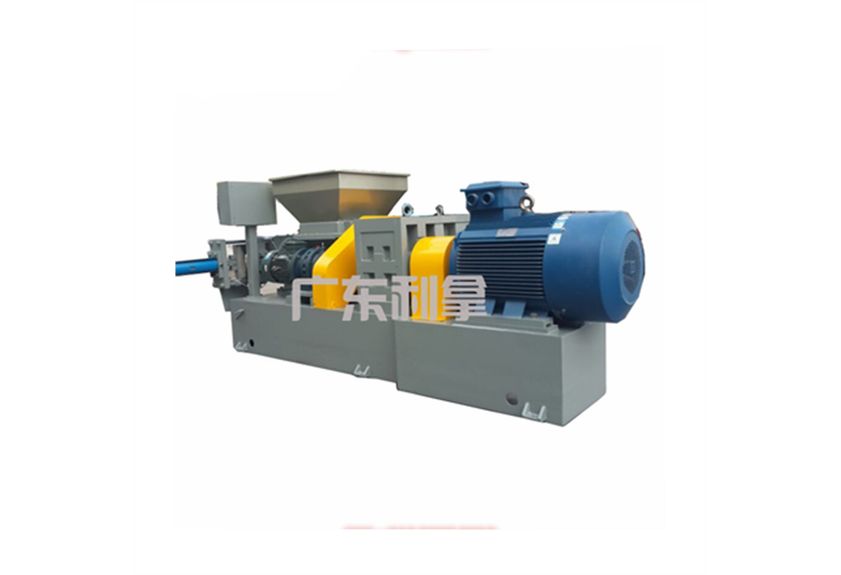
In addition to these two types of extruders, there are also other specialized forced feed extruders available for specific applications. For example, the single-screw extruder is designed for materials with a low melt viscosity and a high melt flow rate. This extruder uses a single screw to force the material through the die, which is a smaller opening than the one used in a twin-screw extruder. The single-screw extruder is ideal for producing thin sheets or films, as well as for materials that require rapid cooling after extrusion.
The forced feed extruder plays an important role in the manufacturing process of many products. By ensuring that materials are fed into the extruder at a consistent rate, manufacturers can produce products with consistent quality and consistency. Additionally, the use of advanced technologies in forced feed extruders can help to improve efficiency and reduce costs. As such, it is essential for manufacturers to understand the different types of forced feed extruders available and how they can be used to optimize their production processes.