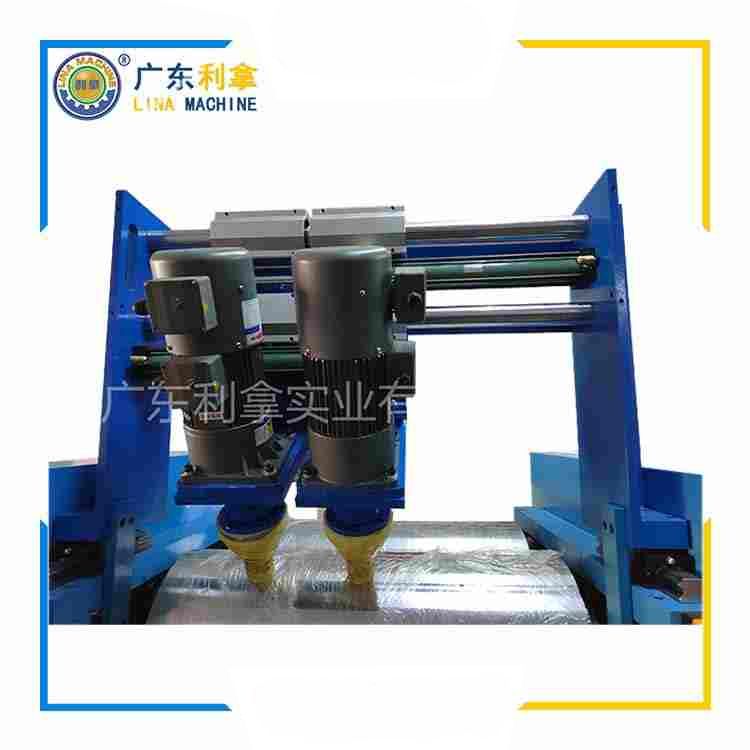



The Art of Molding and Shaping Machines
In the realm of industrial machinery, there exists a class of machines that have revolutionized the way we manufacture products. These are the "molding and shaping machines," or more commonly referred to as "moulding machines." They play a crucial role in the production of plastic products, from toys to automobile parts, and beyond.
At their core, molding machines are designed to create precise shapes out of plastic or other thermoplastic materials. This is achieved through the use of specialized tools called "molds" that fit over the machine's die plate. As the material is heated and forced into the mold, it solidifies into the desired shape. The process is repeated multiple times, each time creating a new product with a different design.
The efficiency and precision of molding machines are unparalleled. They can produce products with intricate details and complex geometries, all while maintaining consistent quality and repeatability. This is made possible by the use of advanced computer-aided design (CAD) software, which allows for the creation of detailed models before they are actually produced.
However, the success of molding machines also depends on the skill and expertise of their operators. The ability to manipulate the machine accurately and quickly, while also ensuring that the molds are properly aligned and maintained, is critical to achieving optimal results. This requires not only technical knowledge but also a keen eye for detail and a willingness to adapt to changing circumstances.
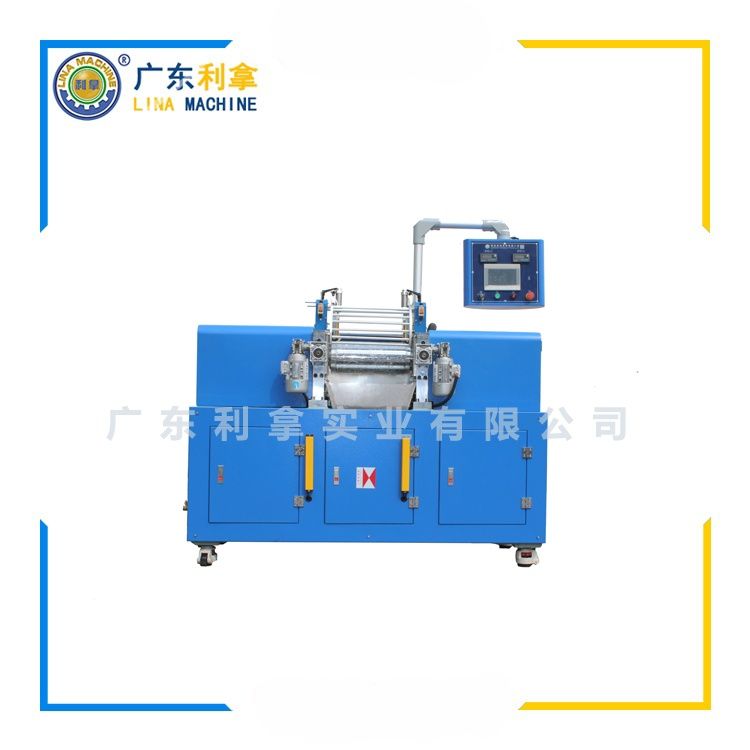
Despite their many benefits, molding machines are not without their challenges. One major issue is the environmental impact of producing plastic products. While these machines can be highly efficient, they often require large amounts of energy and raw materials, which can contribute to greenhouse gas emissions and other environmental problems. Additionally, some molding processes can release toxic chemicals into the air, posing health risks to workers and the wider community.
Another concern is the potential for job displacement. As automation and robotics continue to advance, there may be fewer opportunities for skilled laborers in the molding industry. This could lead to increased unemployment and economic inequality, particularly for those who rely on manual labor for their livelihoods.
Despite these challenges, the future of molding machines looks bright. With continued innovation and advancements in technology, we can expect to see even greater efficiency, accuracy, and sustainability in this important industrial sector. And as we move towards a more sustainable future, it will be essential that we continue to invest in the skills and expertise of those who operate these machines, ensuring that they remain at the forefront of our industrial progress.