



The Experimental Flat-Plasticizer Machine
Flat-plasticizer machines are essential tools in the industrial world, particularly in the manufacturing of plastic products. These machines are designed to press and shape materials into a uniform thickness, which is crucial for various applications such as automotive parts, electronics, and household goods. In this article, we will explore the characteristics, advantages, and applications of experimental flat-plasticizer machines.
Characteristics of Experimental Flat-Plasticizer Machines:
1. Design: Experimental flat-plasticizer machines are typically compact and lightweight, making them easy to move around and set up for different production lines. They also feature adjustable settings that allow for precise control over the pressing pressure and time.
2. Functionality: These machines come with a variety of features, including automatic temperature control, vibration damping, and safety protection systems. These features ensure that the machine operates smoothly and safely, even under high-pressure conditions.
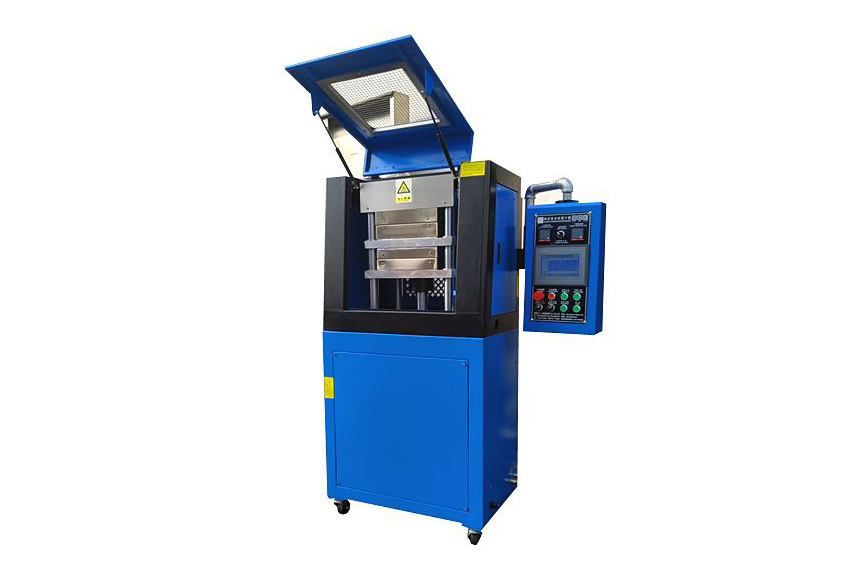
3. Durability: Experimental flat-plasticizer machines are built to last, with sturdy construction and reliable components that can withstand heavy use and frequent maintenance.
Advantages of Experimental Flat-Plasticizer Machines:
1. Efficiency: Flat-plasticizer machines are highly efficient, producing consistent and uniform products in a short amount of time. This reduces waste and saves on labor costs.
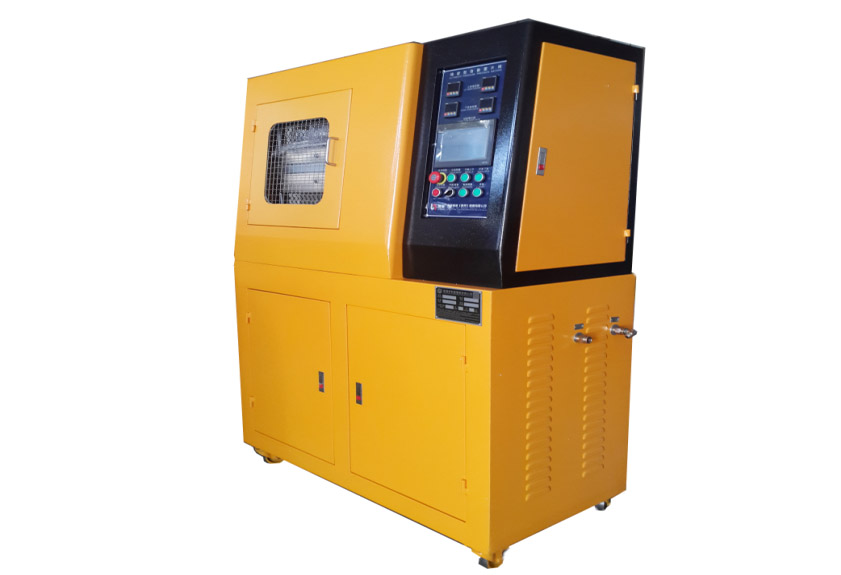
2. Cost-effective: Compared to manual or semi-automatic methods, flat-plasticizer machines offer significant cost savings by reducing the need for skilled labor and minimizing errors.
3. Versatility: These machines can be used for a wide range of materials, including plastics, rubber, and metals, making them versatile and suitable for a variety of industries.
Applications of Experimental Flat-Plasticizer Machines:
1. Automotive Industry: Flat-plasticizer machines are commonly used in the automotive industry to produce parts like bumpers, fenders, and other structural components. These machines help to ensure that the parts meet strict quality standards and are durable enough to withstand harsh road conditions.
2. Electronics Industry: In the electronics industry, flat-plasticizer machines are used to produce circuit boards, connectors, and other electronic components. These machines help to reduce production time and improve product consistency.
3. Home Goods Industry: Flat-plasticizer machines are also used in the home goods industry to produce toys, furniture, and other household items. These machines help to ensure that the products meet consumer expectations and are safe for use.
1. flat-plasticizer machine
2. industrial machinery
3. efficiency
4. cost-effectiveness
5. versatility
6. automotive industry
7. electronics industry
8. home goods industry
This article provides an in-depth exploration of the characteristics, advantages, and applications of experimental flat-plasticizer machines. By highlighting their efficiency, cost-effectiveness, and versatility, we aim to provide readers with valuable insights into how these machines can revolutionize the manufacturing process and improve product quality. Whether you're looking to produce automotive parts or household items, flat-plasticizer machines are an essential tool in any industrial setting.