The Role of Water-Circulating Pelletizer in the Production Line
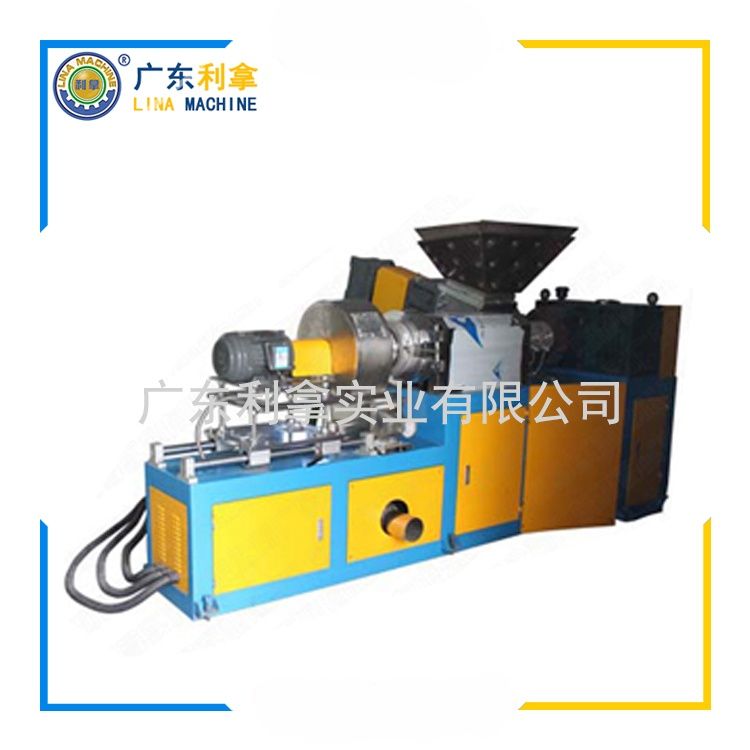
The water-circulating pelletizer is a crucial component of the production line for producing high-quality, uniformly sized pellets. This machine works by continuously feeding raw materials into a hopper, which is then mixed with hot air and compressed through a series of rotating blades. As the material passes through the blades, it is broken down into smaller pieces, which are then collected and formed into pellets. The pellets are then cooled and packaged for storage or further processing.
One of the key advantages of using a water-circulating pelletizer is that it allows for precise control over the size and shape of the pellets produced. This is achieved through the use of adjustable blade speeds and pressure, as well as the ability to adjust the temperature of the air being blown onto the material. This ensures that the pellets produced meet specific quality standards and meet the needs of different industries.
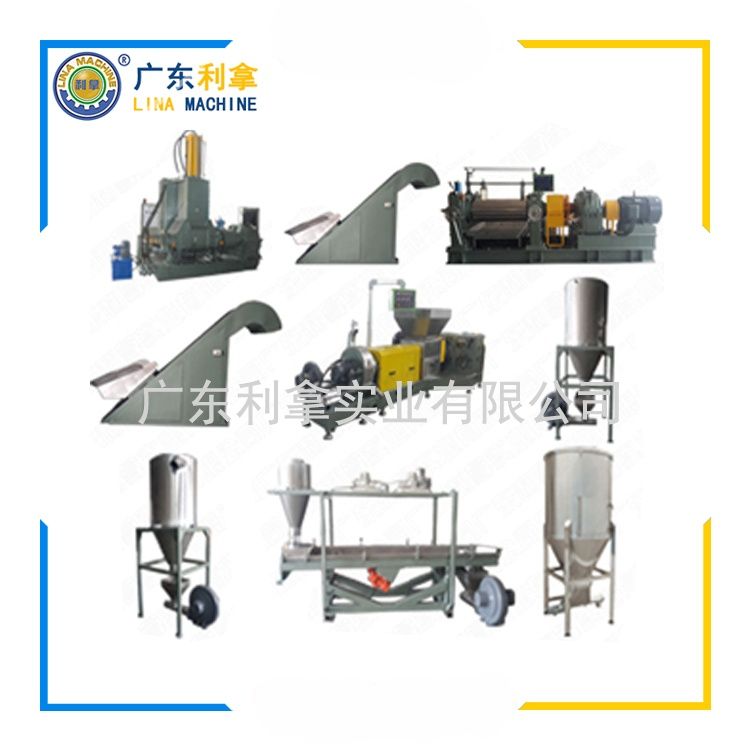
Another important feature of this machine is its ability to operate efficiently and reliably. The water-circulating system ensures that the material is evenly distributed throughout the entire process, which helps to minimize waste and improve overall productivity. Additionally, the machine is designed to be easy to maintain and clean, making it an ideal choice for businesses looking to reduce operating costs and improve efficiency.
Overall, the water-circulating pelletizer plays a vital role in the production of high-quality, uniformly sized pellets. Its advanced technology and efficient operation make it an essential tool for many industries, from food processing to pharmaceuticals. By investing in this machine, businesses can ensure they are meeting their customers' needs and staying competitive in today's market.