
The Art of Secondary Dust-Proof Mixing Machinery
The world of rubber and plastic processing is a complex one, where the quality of raw materials and the efficiency of production processes are paramount. One critical component in this process is the secondary dust-proof mixing machine, which plays a vital role in ensuring that the final product meets industry standards. In this article, we will explore the intricacies of this innovative piece of machinery and its impact on the global rubber and plastic industry.
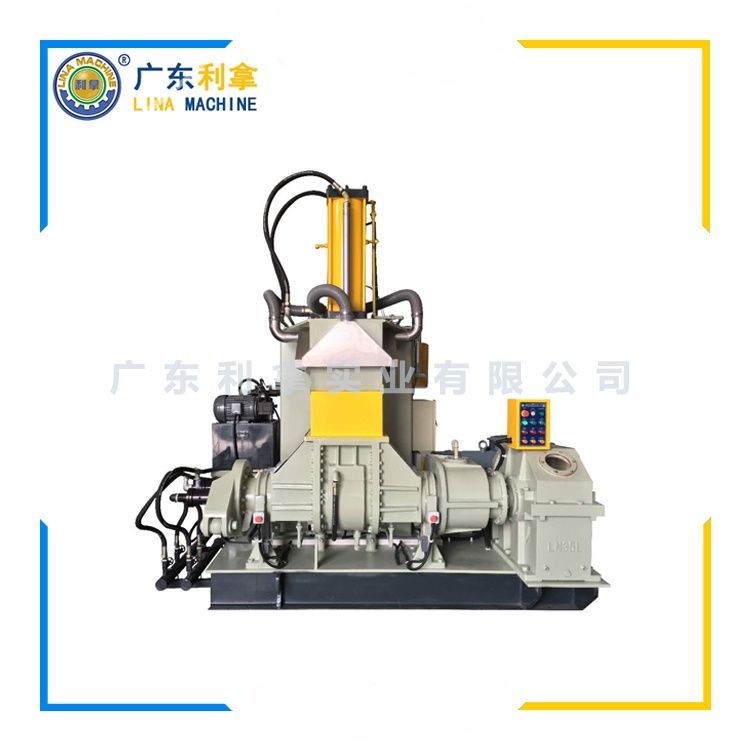
At its core, the secondary dust-proof mixing machine is designed to improve the consistency and quality of the raw materials being processed. By using advanced technology, such as high-speed stirring, rotating drums, and precise temperature control, these machines can achieve a level of mixing that is unparalleled in traditional methods. This not only ensures that the final product is of the highest quality but also reduces waste and energy consumption, making it an environmentally friendly choice for many industries.
But what sets the secondary dust-proof mixing machine apart from its competitors? For one, it boasts a unique design that minimizes airborne particulates, reducing the risk of contamination during processing. Additionally, many modern models incorporate automation features, allowing operators to monitor and adjust settings remotely, further enhancing productivity and efficiency.
Of course, no discussion of the secondary dust-proof mixing machine would be complete without mentioning its impact on the global rubber and plastic industry. As demand for sustainable and eco-friendly products continues to rise, manufacturers are turning to these machines to meet stringent quality standards while minimizing their environmental footprint. From automotive parts to packaging materials, the secondary dust-proof mixing machine is playing a crucial role in driving innovation and growth in this sector.
In conclusion, the secondary dust-proof mixing machine represents a significant advancement in the world of rubber and plastic processing. With its ability to produce high-quality products while reducing waste and energy consumption, it has become an essential tool for many industries. As the industry continues to evolve, we can expect to see even more innovative designs and features emerging, ensuring that the future of rubber and plastic manufacturing remains both vibrant and sustainable.