



The Evolution of Foamed Silica Gel Pressing Production Lines
The foamed silica gel pressing production line has been a significant advancement in the manufacturing industry, particularly in the field of electronics and aerospace. This article will explore the history, development, and current state of these lines, as well as their impact on the global market.
In the early days of the industrial revolution, the production of foamed silica gel was primarily done by hand, using simple molds to create small batches of the material. However, with the advent of mass production and the need for high-quality materials in electronics and aerospace, the demand for efficient and precise production methods grew.
This led to the development of automated production lines, which used specialized equipment to process large volumes of foamed silica gel at high speeds and with minimal human intervention. These lines were designed to handle different types of foamed silica gel, including those used in capacitors, electrolytes, and other electronic components.

Over time, the technology behind these production lines has continued to evolve, with improvements in automation, precision, and efficiency. Today, foamed silica gel pressing production lines are capable of producing high-quality materials with consistent properties, which are critical for many applications in electronics and aerospace.
One of the key benefits of these production lines is their ability to produce materials with a wide range of physical properties, including density, porosity, and thermal conductivity. This allows manufacturers to tailor their products to specific needs, whether they are used in power supplies, sensors, or other critical components.
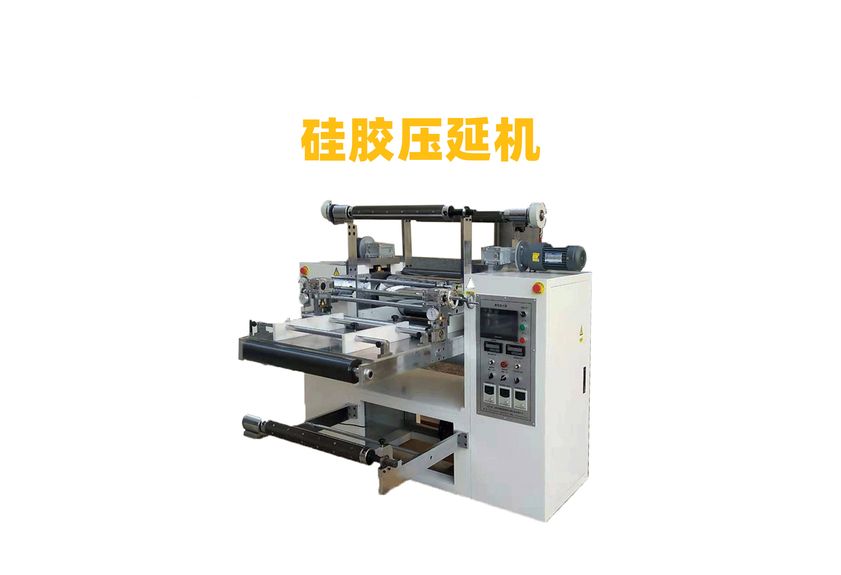
Another advantage of foamed silica gel pressing production lines is their ability to reduce waste and improve sustainability. By using closed-loop systems and recycling materials, these lines can minimize the environmental impact of their operations. Additionally, the use of renewable energy sources and advanced materials processing techniques can further enhance the sustainability of these lines.
In conclusion, the foamed silica gel pressing production line has come a long way since its inception, transforming from a simple manual process into a sophisticated, automated system that produces high-quality materials with consistent properties. As the demand for these materials continues to grow, it is likely that these lines will continue to evolve and improve, driving innovation and growth in the global electronics and aerospace industries.