



The Art of the Plastometer: A Detailed Guide to Plastics Processing
The plastometer, also known as a plasticizer machine, is an essential tool in the world of plastics processing. It is a versatile device that can be used for a variety of applications, from simple pouring and shaping of plastic materials to more complex processes like injection molding and extrusion. In this article, we will explore the different types of plastometers, their functions, and how they contribute to the overall process of plastics manufacturing.
Firstly, there are two main types of plastometers: continuous and batch. Continuous plastometers are designed to continuously feed plastic material into the machine while it is being processed. This type of plastometer is commonly used in injection molding and extrusion processes where the material needs to be continuously fed into the mold or die. On the other hand, batch plastometers are used for smaller-scale production or when the material needs to be manually poured into the mold.
In addition to these basic types, there are also specialized plastometers available for specific applications. For example, a plastometer with a high temperature range can be used for melting and mixing thermoplastics, while one with a low temperature range is ideal for processing thermosets. Similarly, a plastometer with a high shear rate can be used for mixing and dissolving polymers, while one with a low shear rate is better suited for processing solids.
The function of a plastometer is to heat and mix the plastic material until it reaches the desired consistency and temperature. This process is crucial in ensuring that the final product has the right properties and quality. During the heating phase, the plastometer uses electric resistance heating elements to raise the temperature of the plastic material. Once the temperature is reached, the plastometer then uses mechanical mixing to break down any lumps or impurities in the material.
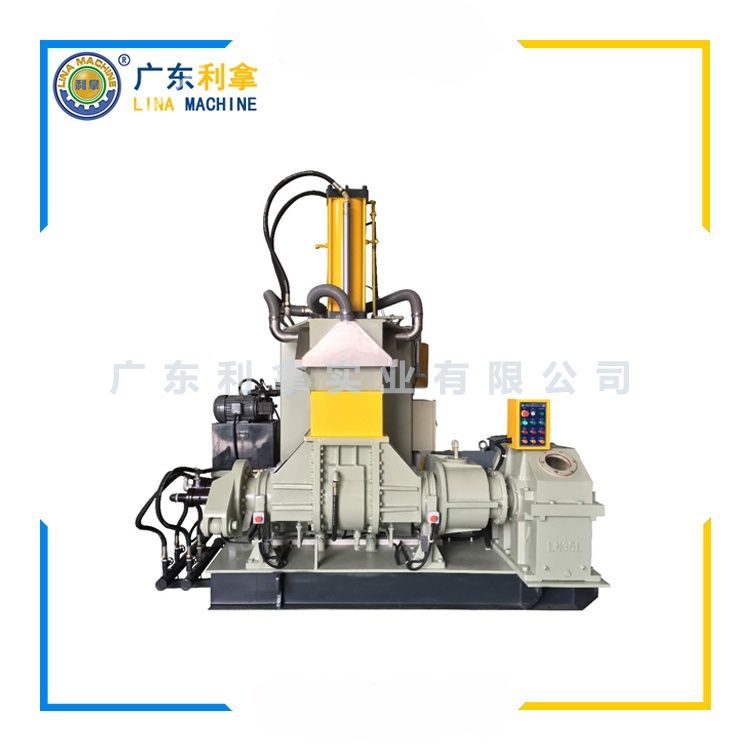
Once the plastic material is heated and mixed, it is ready to be poured into the mold or die. The plastometer then cools the material down to its final temperature before it is ejected from the mold or die. The cooling phase is important because it ensures that the material does not overheat and can maintain its shape during the subsequent steps in the process.
In conclusion, the plastometer is a critical component of the plastics manufacturing process. Its ability to heat and mix plastic material allows for the creation of products with precise properties and quality. By understanding the different types of plastometers and their functions, manufacturers can optimize their processes and achieve maximum efficiency.