The Essentials of Small-Scale Mixing Machines
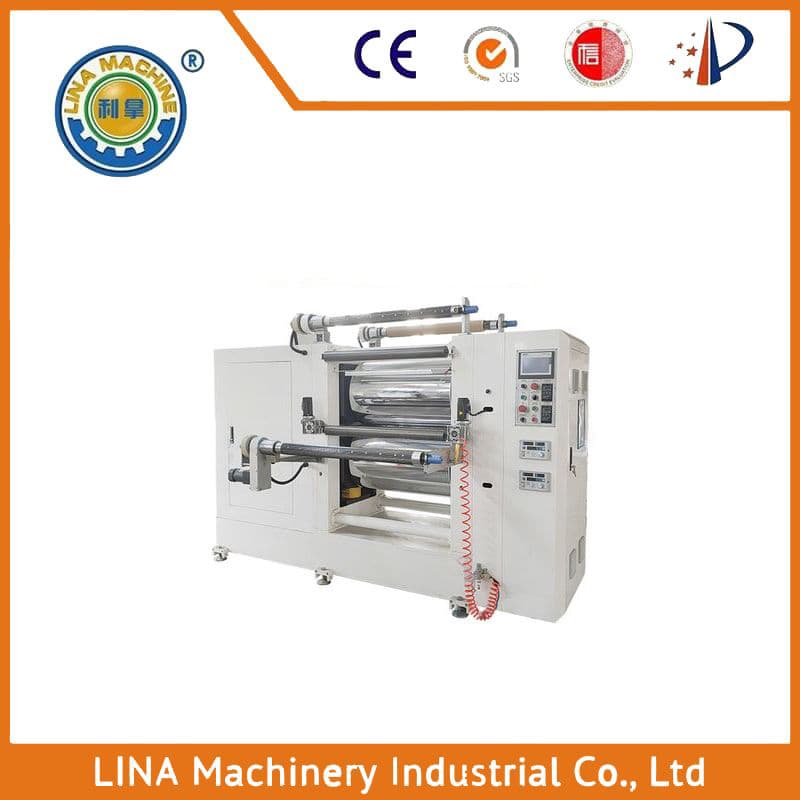
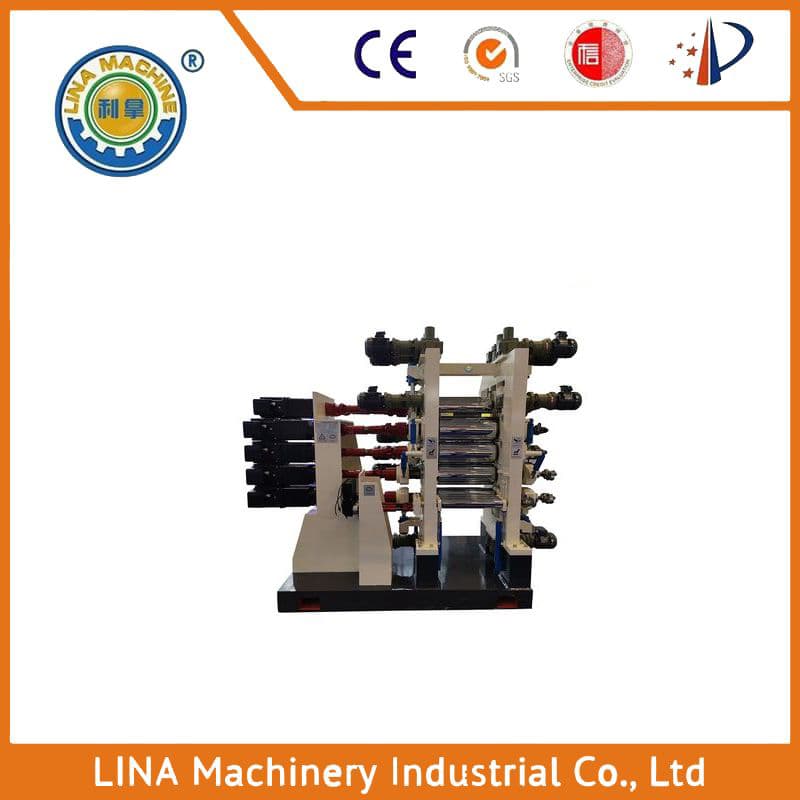
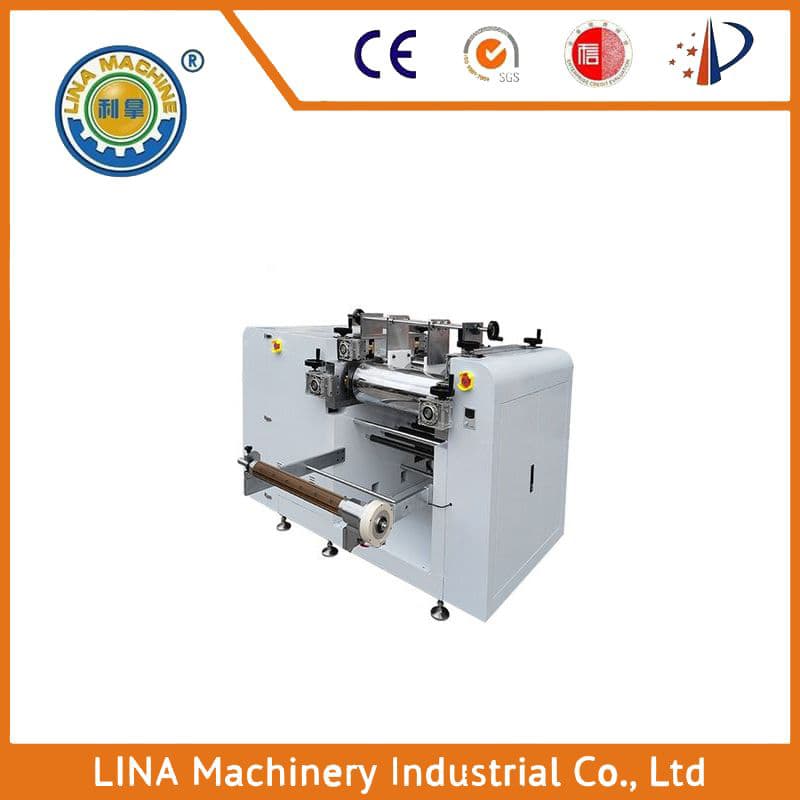
In the realm of industrial machinery, small-scale mixing machines have become an indispensable tool for various industries. These compact devices are designed to handle a wide range of materials and processes, making them ideal for small businesses or those with limited space. In this article, we will explore the key features and benefits of small-scale mixing machines, as well as their applications in different industries.
One of the most significant advantages of small-scale mixing machines is their portability. Unlike large-scale equipment, these units are lightweight and easy to move around, making them perfect for use in remote locations or on-site production facilities. This mobility also allows for flexibility in terms of where and when the machine can be used, enabling operators to optimize their workflows based on changing circumstances.
Another crucial feature of small-scale mixing machines is their efficiency. These devices are designed to process materials quickly and efficiently, reducing downtime and increasing productivity. They often come with advanced technology, such as variable speed control and automatic temperature regulation, which further enhances their performance. Additionally, many models offer adjustable mixing chambers, allowing for customization of the mixing process to suit specific needs.
When it comes to applications, small-scale mixing machines are widely used in various industries. For example, they are commonly used in food processing, where they help blend ingredients and create homogenous mixtures. In the pharmaceutical industry, these machines are essential for mixing and distributing various substances, ensuring consistency and quality. Moreover, they are also utilized in the manufacturing of plastics, chemicals, and other materials, where they contribute to the creation of uniform products.
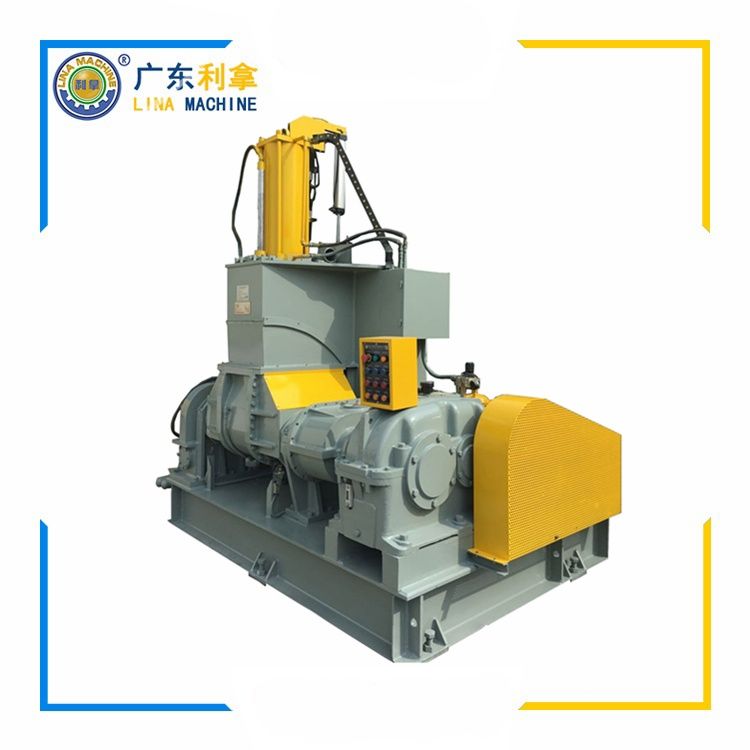
In conclusion, small-scale mixing machines are an essential tool for any industry seeking to improve efficiency and productivity. Their portability, efficiency, and versatility make them a valuable asset for businesses of all sizes. By understanding the key features and benefits of these machines, operators can make informed decisions about which model best suits their needs and optimize their workflows accordingly.