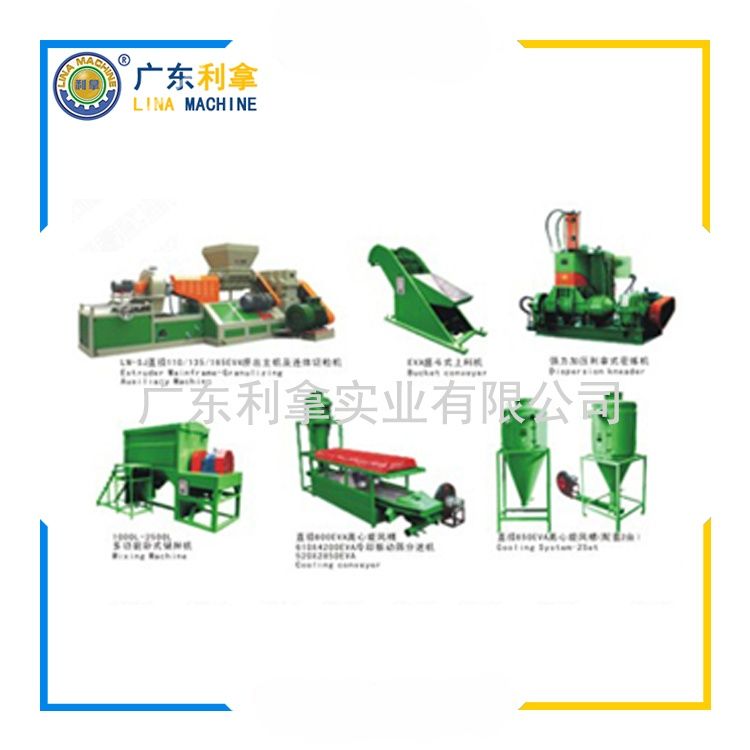
High-Efficiency Polymer Pelletizers: Revolutionizing the Manufacturing Process
In the realm of polymer processing, the ability to efficiently convert molten polymer into solid pellets is a critical step in ensuring consistent quality and yield. The advancements in technology have led to the development of high-efficiency polymer pelletizers that are revolutionizing the manufacturing process. These machines are designed to handle a wide range of polymers, from thermoplastics to elastomers, with varying melt viscosities and flow behaviors.
One of the key features of high-efficiency polymer pelletizers is their ability to process large volumes of material quickly and consistently. This is achieved through advanced automation systems that allow for precise temperature control, feeding rates, and pellet size adjustments. The use of computer-controlled systems ensures that the pelletizer operates at optimal conditions, resulting in a consistent product quality throughout the production line.
Another important aspect of these pelletizers is their ability to handle complex shapes and sizes. Many polymer pellets are required for applications where they need to be shaped or molded into specific parts. High-efficiency pelletizers are equipped with specialized tools and mechanisms that allow for the creation of intricate shapes and sizes without compromising on the quality of the final product.
The efficiency of these pelletizers is further enhanced by their ability to operate at high temperatures and pressures. This makes them ideal for processing thermoplastics and other materials that require high-temperature processing steps. The use of advanced heat transfer technologies ensures that the material is evenly heated and cooled, minimizing thermal stresses and preventing defects during the pelletization process.
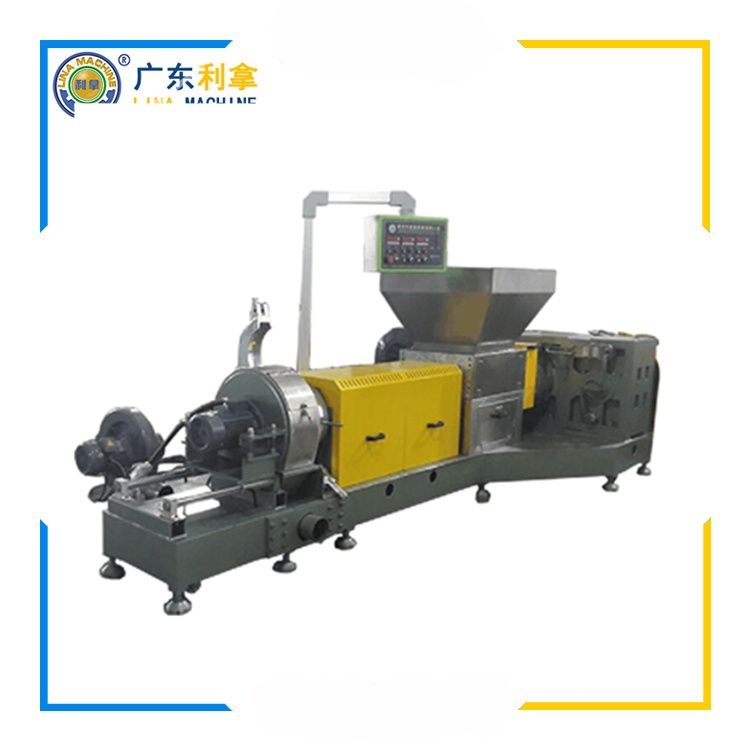
In addition to their technical advantages, high-efficiency polymer pelletizers also offer significant cost savings for manufacturers. By reducing downtime, labor costs, and energy consumption, these machines can significantly increase productivity and profitability. Furthermore, their ability to produce consistent and high-quality pellets means that there is less waste and fewer defective products, which can save money on disposal and rework costs.
In conclusion, the advancements in high-efficiency polymer pelletizers are transforming the way we manufacture polymer products. With their ability to process large volumes of material quickly and consistently, handle complex shapes and sizes, and operate at high temperatures and pressures, these machines are essential tools for any polymer manufacturer looking to improve efficiency and reduce costs. As technology continues to advance, we can expect even more innovative solutions to emerge, further enhancing the capabilities of polymer pelletizers and driving the industry forward.