



The Art of Clay Particle Formation: An Overview of Ceramic Powder Grinding Machines
Ceramic powder grinding machines play a crucial role in the manufacturing process of ceramic materials. These machines are designed to break down raw clay into fine, uniform particles that can be used for various applications such as building tiles, pottery, and refractory materials. In this article, we will explore the different types of ceramic powder grinding machines available and their unique features.
1. Ball mills: Ball mills are the most common type of ceramic powder grinding machine. They consist of a rotating cylinder filled with steel balls that grind the raw clay against each other. This process results in a high degree of fineness and uniformity in the particle size distribution. Ball mills are versatile and can handle a wide range of raw materials, making them ideal for industrial-scale production.
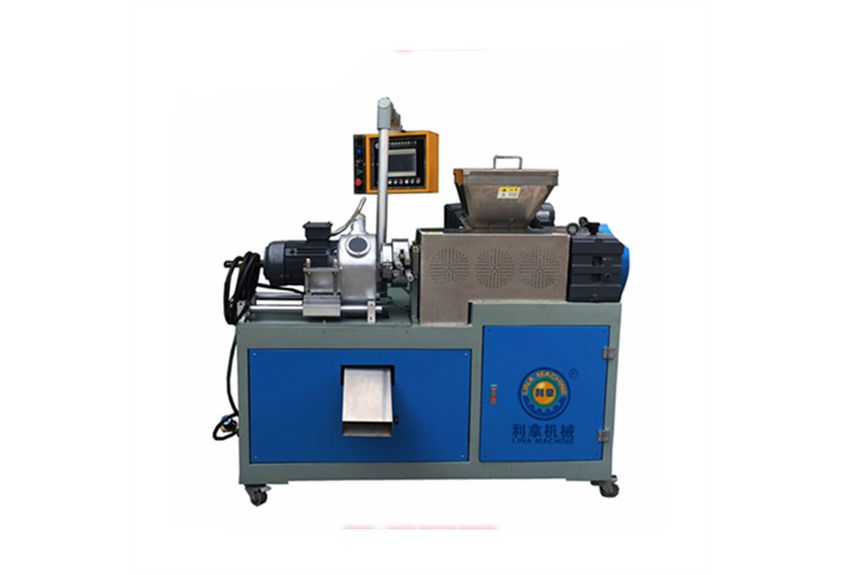
2. Rod mills: Rod mills are similar to ball mills but have a longer rod instead of steel balls. This allows for more efficient grinding and reduces the risk of wear on the grinding media. Rod mills are often used in conjunction with ball mills to achieve optimal particle size distribution.
3. Roller mills: Roller mills use rollers to crush the raw clay between two grinding plates. This process produces smaller particles with a higher surface area, which can improve the final properties of the ceramic material. Roller mills are suitable for producing highly porous ceramics and are commonly used in the production of refractory materials.
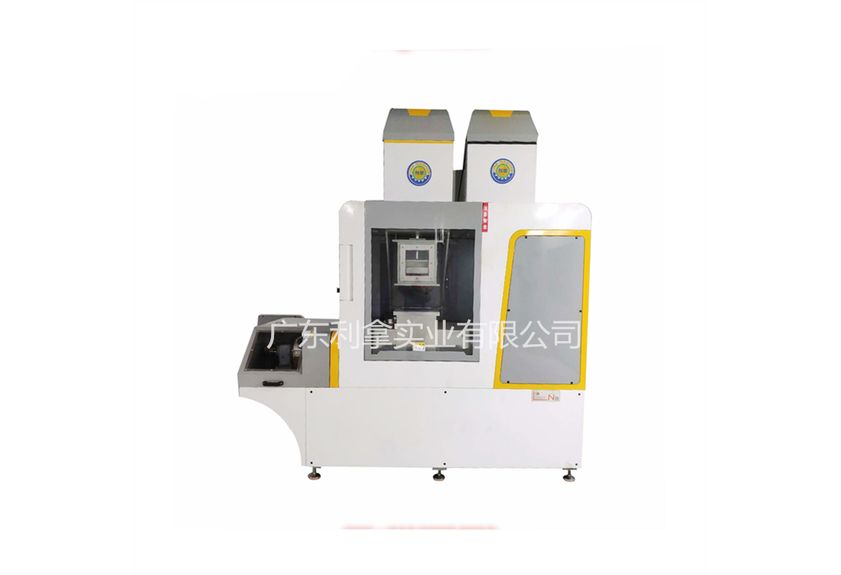
4. Ultrasonic mills: Ultrasonic mills use high-frequency sound waves to break down the raw clay. This method is faster and more energy-efficient than traditional grinding methods, resulting in a more uniform particle size distribution. However, ultrasonic mills require specialized equipment and may not be suitable for all types of raw materials.
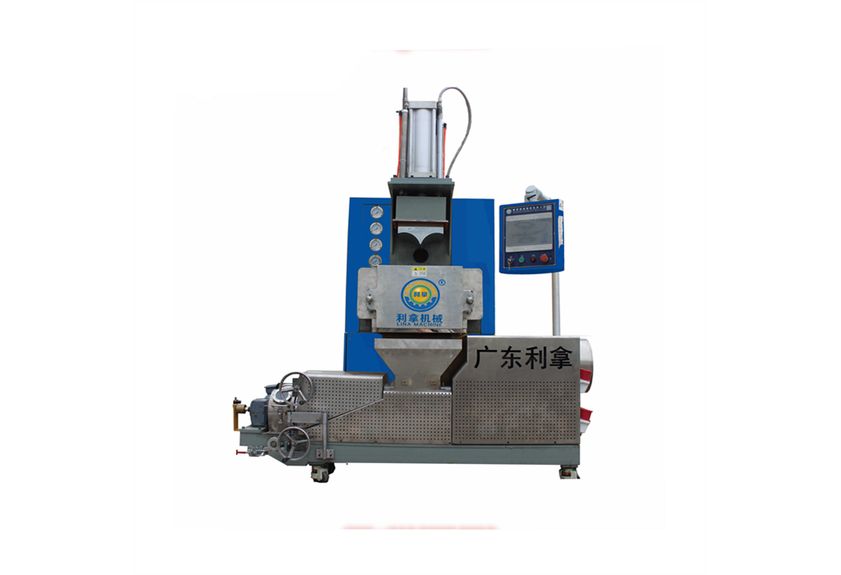
5. Combination mills: Combination mills combine multiple grinding techniques to achieve the desired particle size distribution. For example, a ball mill followed by a roller mill or a rod mill followed by an ultrasonic mill can produce a more complex particle size spectrum. Combination mills offer flexibility in the grinding process and can be tailored to specific requirements.
- Ceramic Powder Grinding Machines
- Ball Mills
- Rod Mills
- Roller Mills
- Ultrasonic Mills
- Combination Mills
This article provides an overview of the different types of ceramic powder grinding machines available, including ball mills, rod mills, roller mills, ultrasonic mills, and combination mills. Each type of grinding machine has its unique features and advantages, depending on the specific application and raw material requirements. By understanding the different grinding techniques and their capabilities, manufacturers can optimize their production processes and achieve the desired particle size distribution for their ceramic products.