
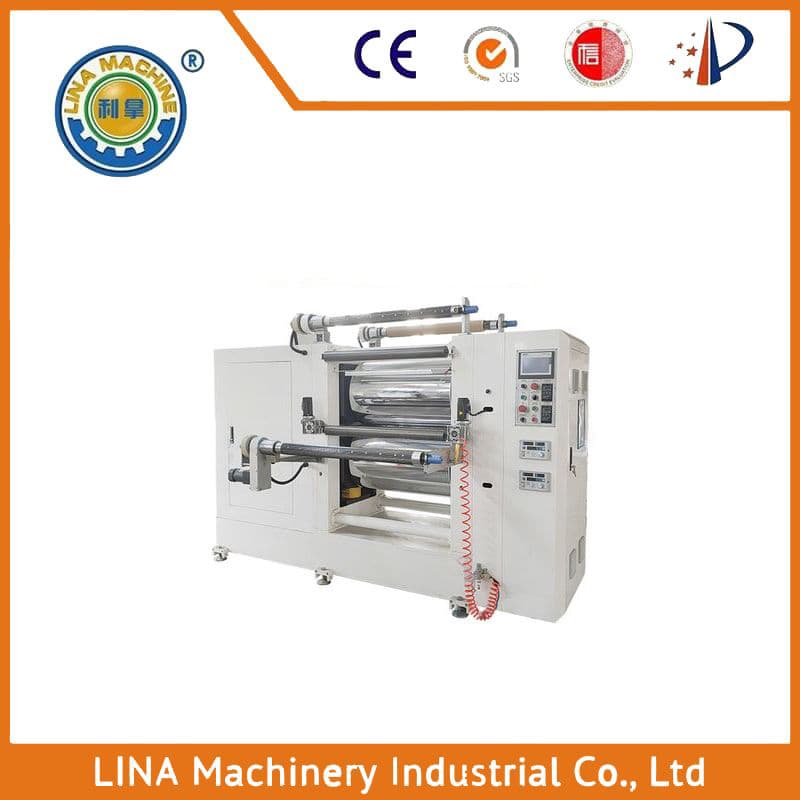
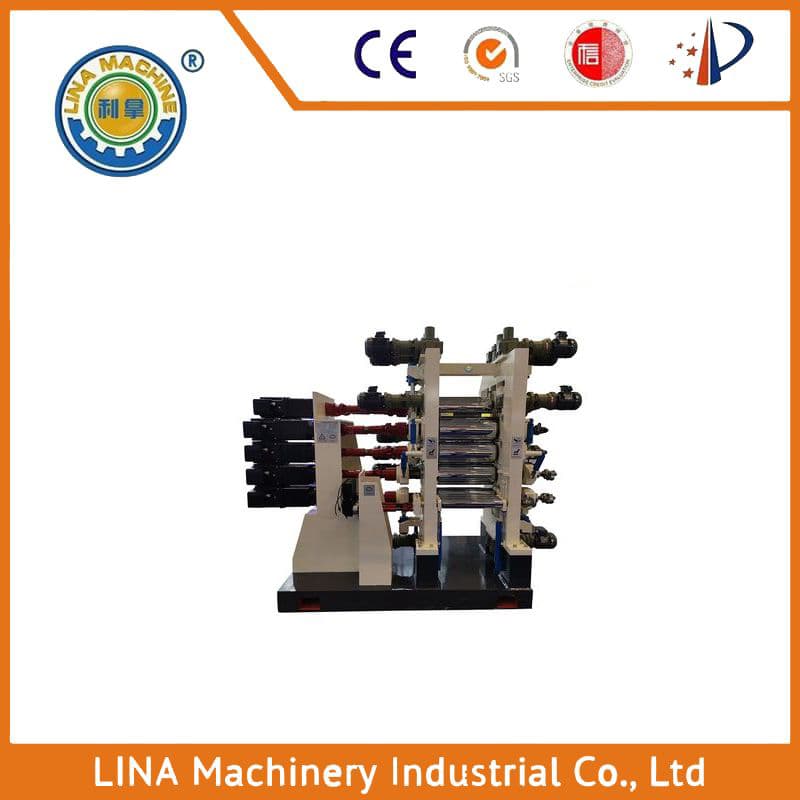
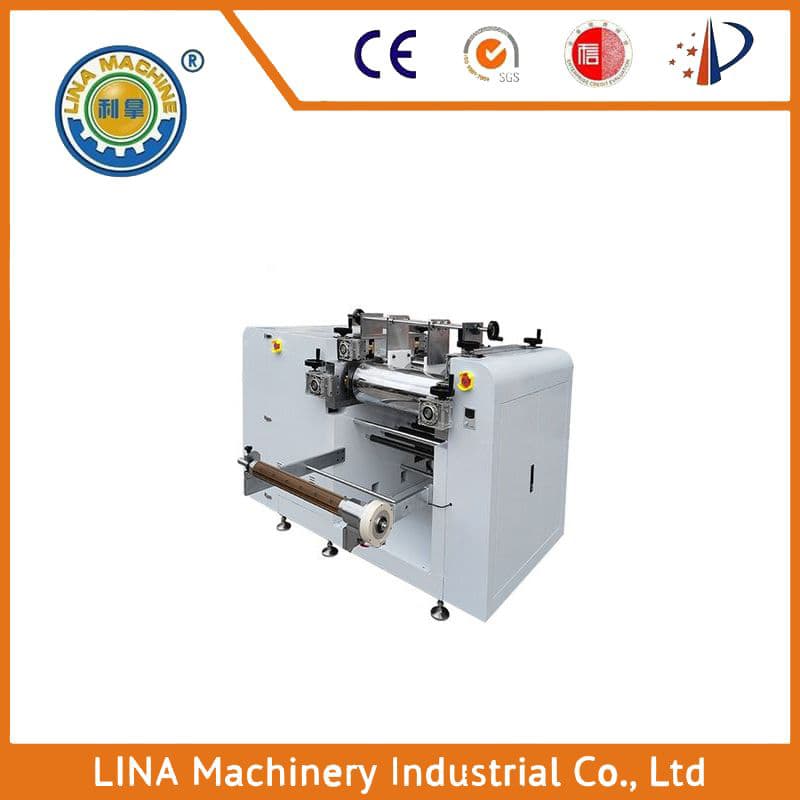
Article Title: The Art of Mixi...
Article Title: The Art of Mixing: An Insight into the Secrets of the Mixing Machine
Content:
Mixing machines are an essential part of any industrial process, from the production of food to the manufacture of electronic components. They play a crucial role in ensuring that raw materials are thoroughly blended and mixed together to form a uniform mixture. In this article, we will delve into the fascinating world of mixing machines and explore their myriad applications, benefits, and technological advancements.
#Benefits of Mixing Machines
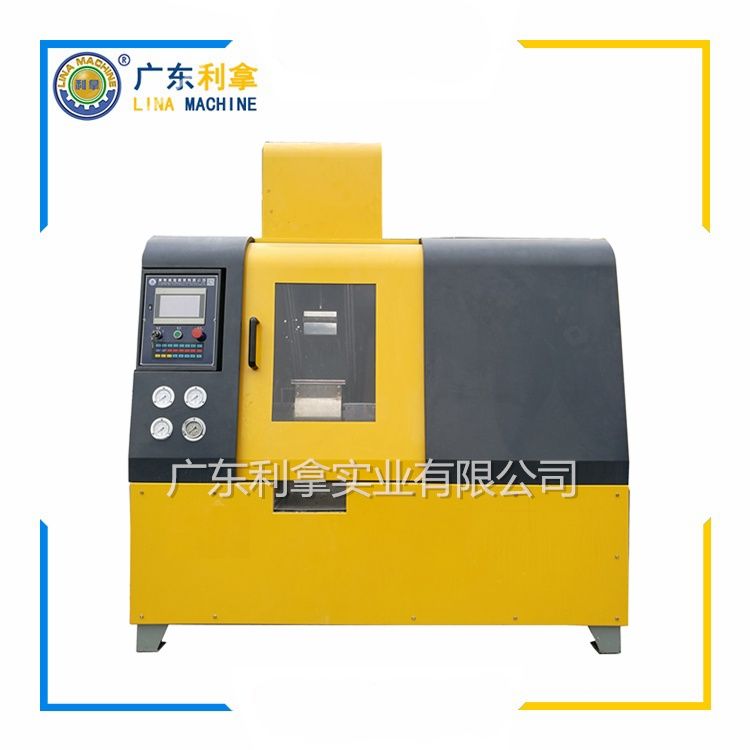
Mixing machines have numerous benefits that make them indispensable in various industries. Firstly, they ensure that raw materials are evenly mixed, resulting in a consistent product with no impurities. This not only improves the quality of the final product but also reduces waste by minimizing the amount of unutilized material. Secondly, mixing machines speed up the production process, enabling businesses to meet tight deadlines and increase efficiency. Thirdly, they reduce labor costs by eliminating the need for manual labor, making it easier for companies to scale up production without compromising on quality. Lastly, mixing machines are energy-efficient, reducing the carbon footprint of industrial processes and contributing to sustainable development.
#Applications of Mixing Machines
Mixing machines come in various forms, each suitable for specific applications. For example, batch mixers are ideal for large-scale production where multiple ingredients need to be combined at once. Continuous mixers, on the other hand, are used in continuous processing systems where ingredients flow continuously through the machine, ensuring a consistent output every time. Additionally, specialized mixers such as dough mixers and food processors cater to specific needs in the food industry.
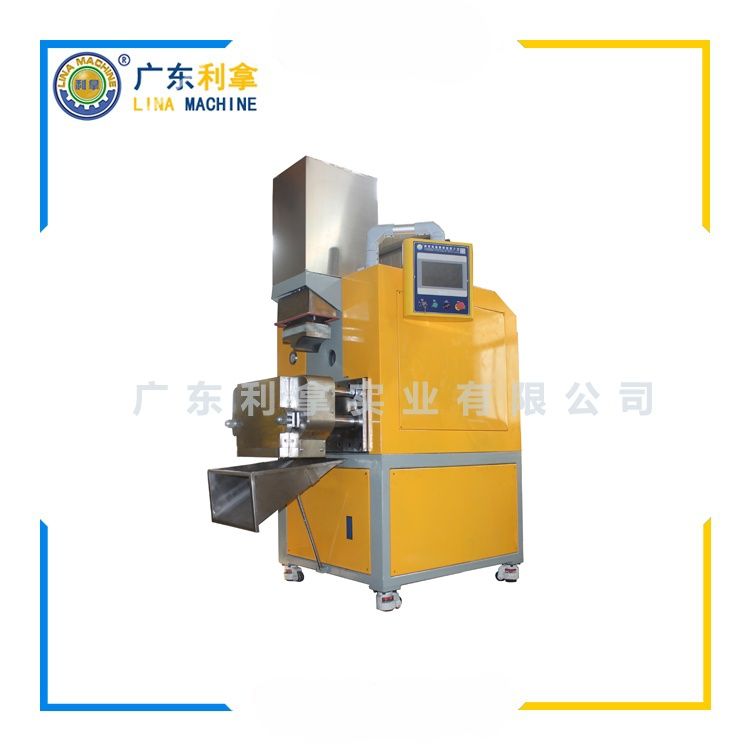
In the automotive industry, mixing machines are used to create composite materials, which are lightweight yet strong. In the pharmaceutical sector, they are crucial for preparing vaccines and other medical products. In the chemical industry, mixing machines are used to produce chemicals and reagents for various applications.
#Technological Advancements in Mixing Machinery
As technology continues to advance, so do the capabilities of mixing machines. Modern mixing machines are equipped with advanced sensors and control systems that allow for precise temperature regulation, speed adjustment, and monitoring of the mixing process. These features enhance the consistency and quality of the final product while reducing downtime due to equipment failure. Moreover, automation is becoming increasingly popular, allowing for increased productivity and reduced human error.
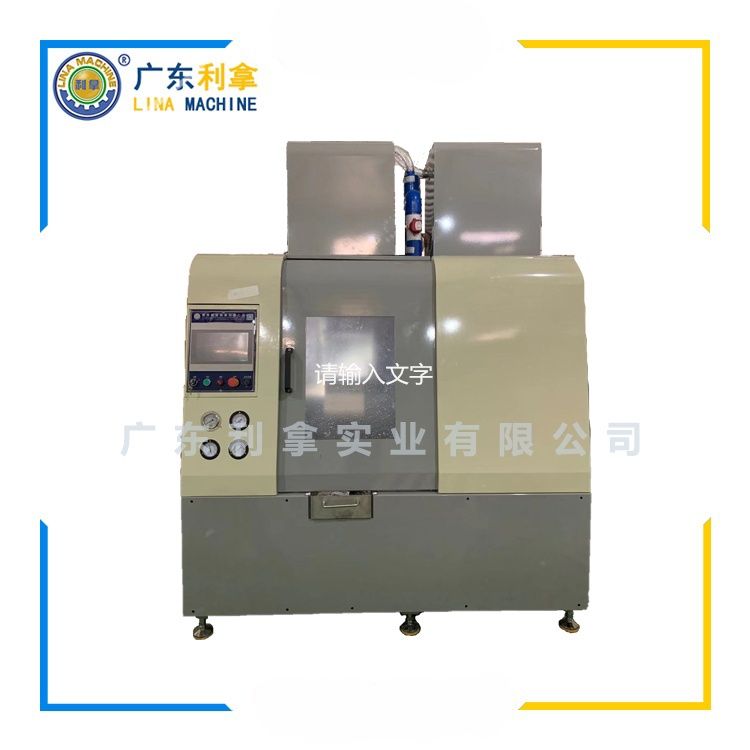
In conclusion, mixing machines are an integral part of modern industrial processes, offering numerous benefits such as improved product quality, increased efficiency, reduced labor costs, and environmental sustainability. As technology continues to evolve, we can expect further advancements in mixing machinery, further enhancing our ability to produce high-quality products efficiently and sustainably.