
The Art of Clay Particle Formation with Ceramic Powder Grinding Machines
Clay powder grinding machines are essential tools in the ceramic industry, enabling the creation of high-quality ceramic products. These machines use advanced technology to grind and disperse clay powder into a finer state, which is crucial for the subsequent processing steps. In this article, we will explore the working principles of these machines, their applications, and how they contribute to the success of ceramic production.
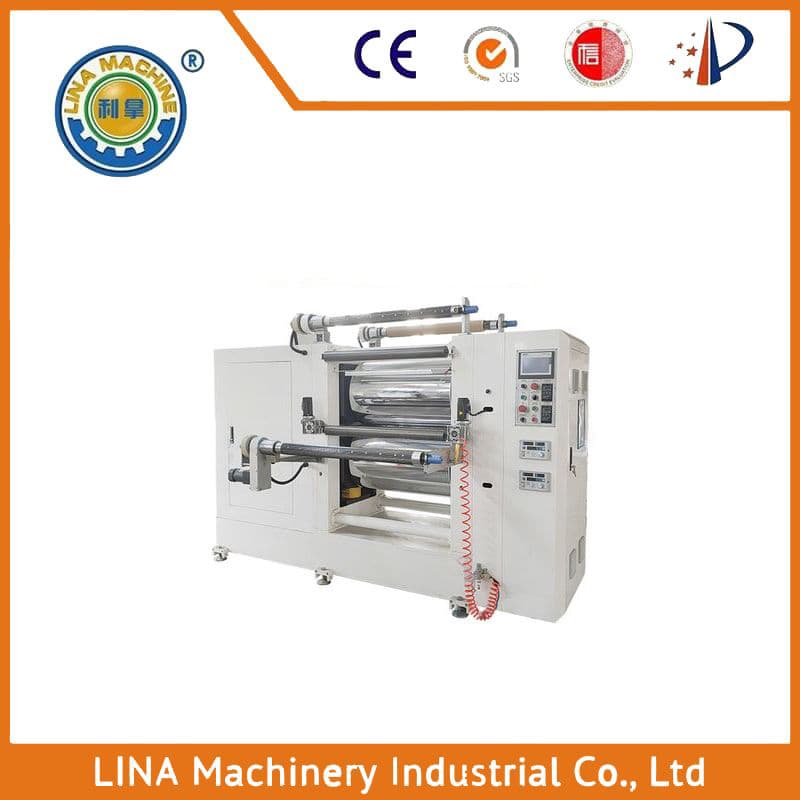
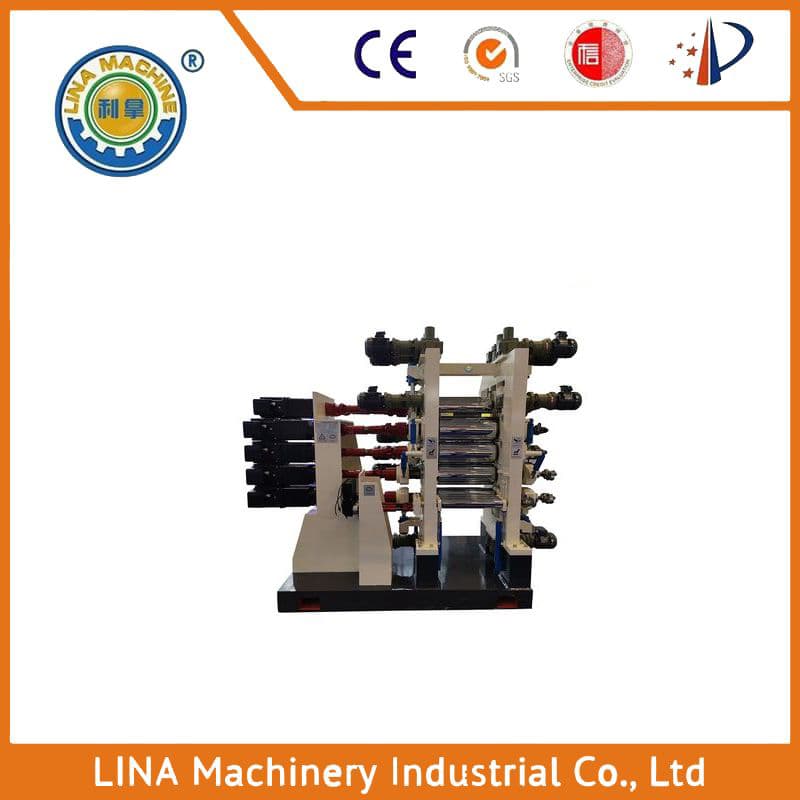
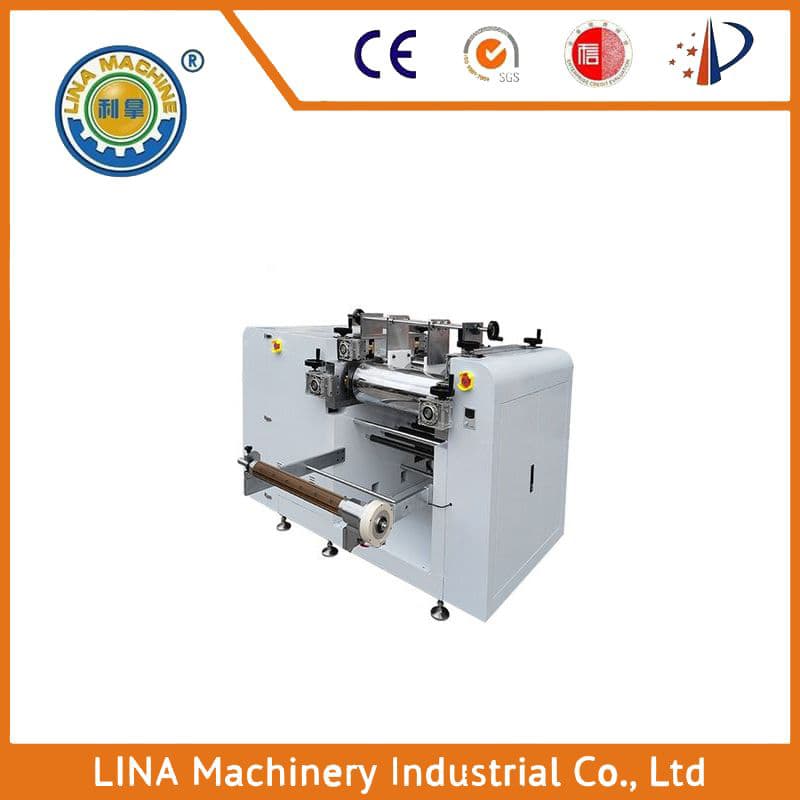
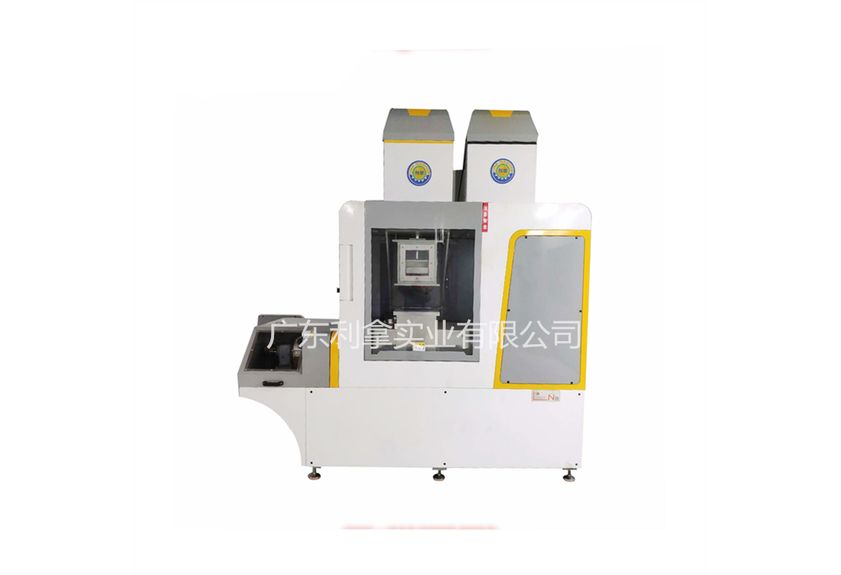
Firstly, let's understand the working principle of a typical ceramic powder grinding machine. This machine typically consists of a rotating drum or disc that rotates at high speeds, while a stationary blade or plate grinds the clay powder against it. The rotational force causes the clay particles to break down and become smaller, while the blade or plate ensures even distribution of the powder throughout the entire area. The resulting finely ground clay powder is then collected and stored for further processing.
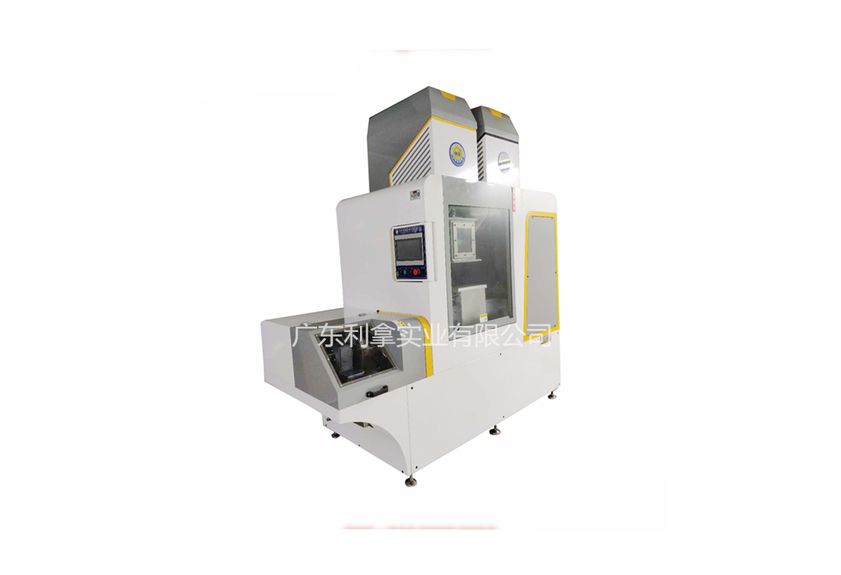
The application of ceramic powder grinding machines is diverse, ranging from small-scale artisan crafts to large-scale industrial production. For instance, in the ceramics industry, these machines are used to create porcelain tiles, pottery, and other decorative items. They enable the production of high-quality ceramic products with consistent texture and color, which are essential for achieving the desired aesthetic appeal.
In addition to their role in producing ceramic products, ceramic powder grinding machines also play a significant role in the environmental protection of the ceramic industry. By reducing waste and minimizing energy consumption, these machines help to reduce the carbon footprint of the industry. Furthermore, they can be used to grind scrap materials, ensuring that they are recycled and reused in the production process.
In conclusion, ceramic powder grinding machines are an essential tool in the ceramic industry, enabling the creation of high-quality ceramic products and promoting environmental sustainability. As technology continues to advance, we can expect these machines to become even more sophisticated and efficient, further enhancing the quality and consistency of ceramic products.