
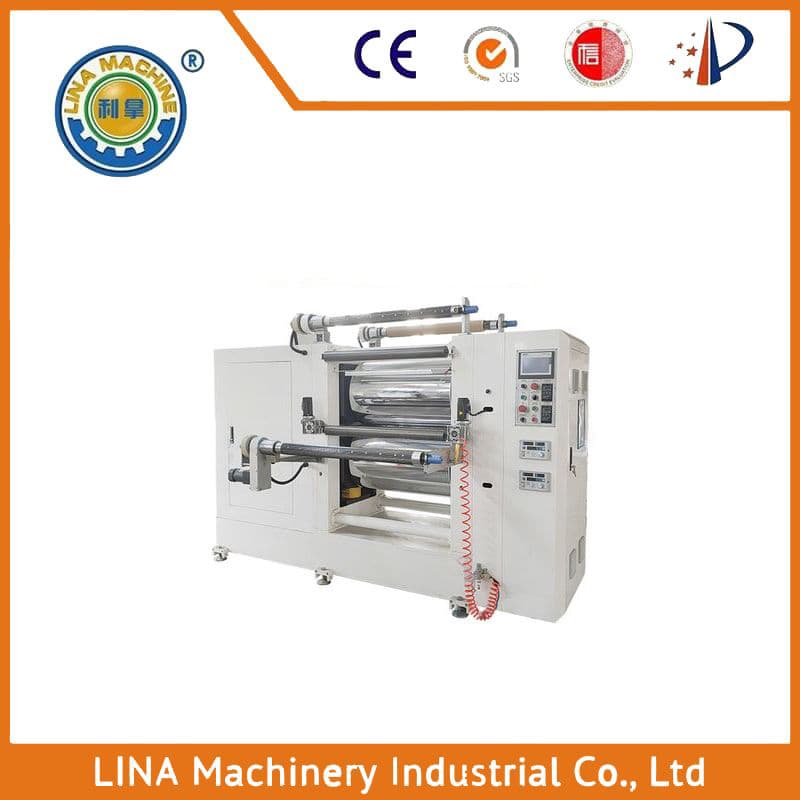
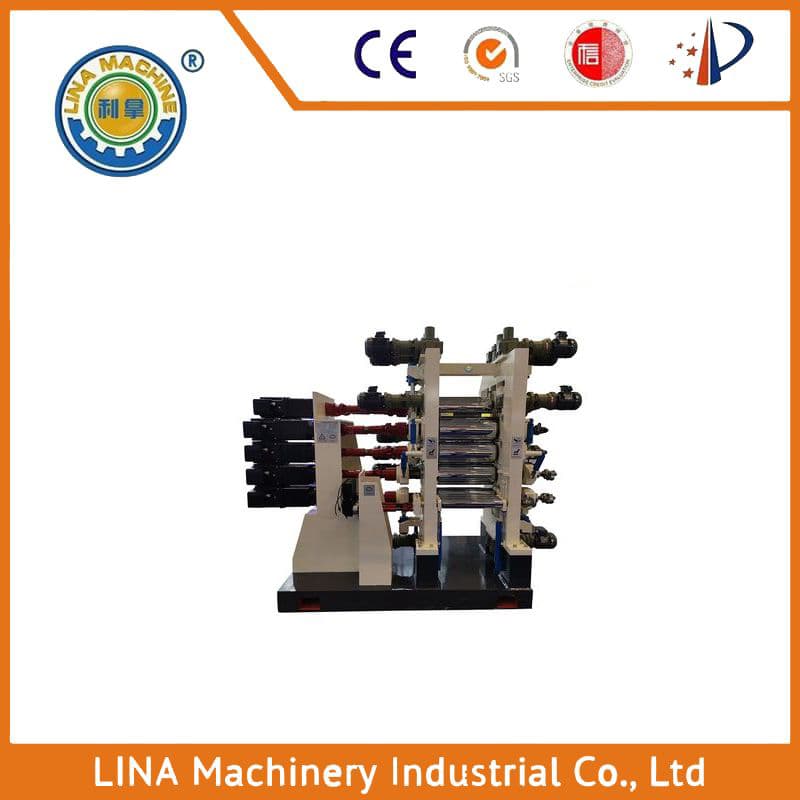
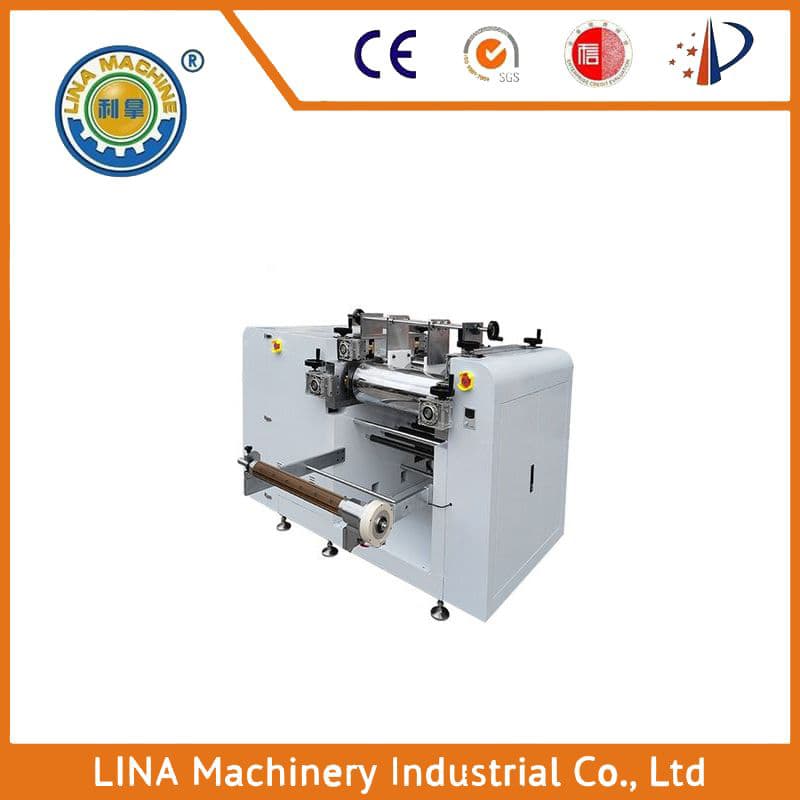
The Role of the Three-Roll Mill in Rubber Technology
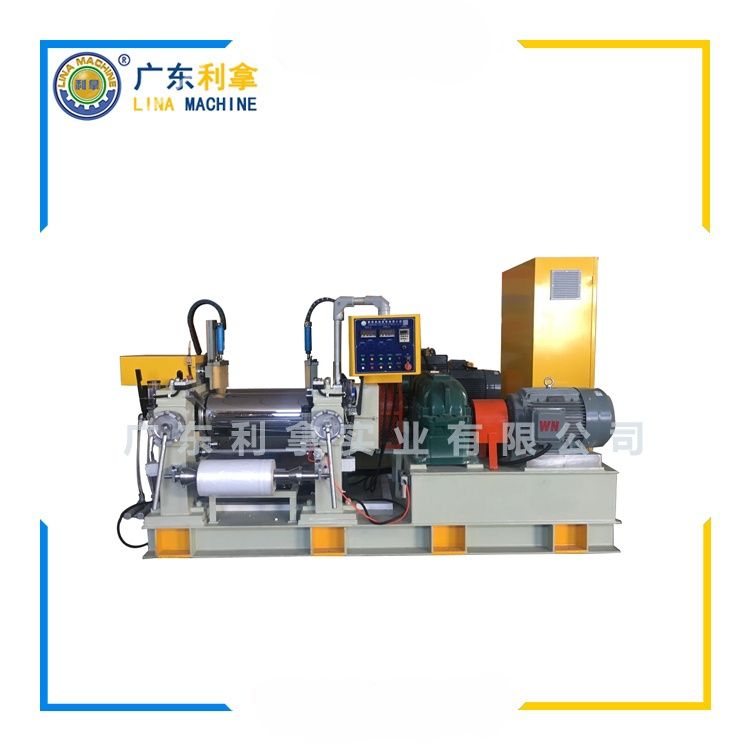
The three-roll mill is a crucial piece of equipment in the rubber industry, used for the production of vulcanized rubber. It is an essential tool for mixing and kneading raw materials such as natural or synthetic rubber, carbon black, and other additives to create a homogeneous mixture that can be molded into various products.
The three-roll mill consists of three rollers that rotate around a central axis, creating friction between them. This friction heats up the rubber material, causing it to soften and become more pliable. As the rollers continue to rotate, they press the rubber against each other, which causes it to undergo vulcanization, a chemical reaction that converts it from a soft, elastic material into a hard, durable one.
The three-roll mill is designed to handle a wide range of rubber compounds, allowing manufacturers to produce a variety of products with different properties and applications. For example, it can be used to make tires, hoses, gloves, and many other items made from rubber.
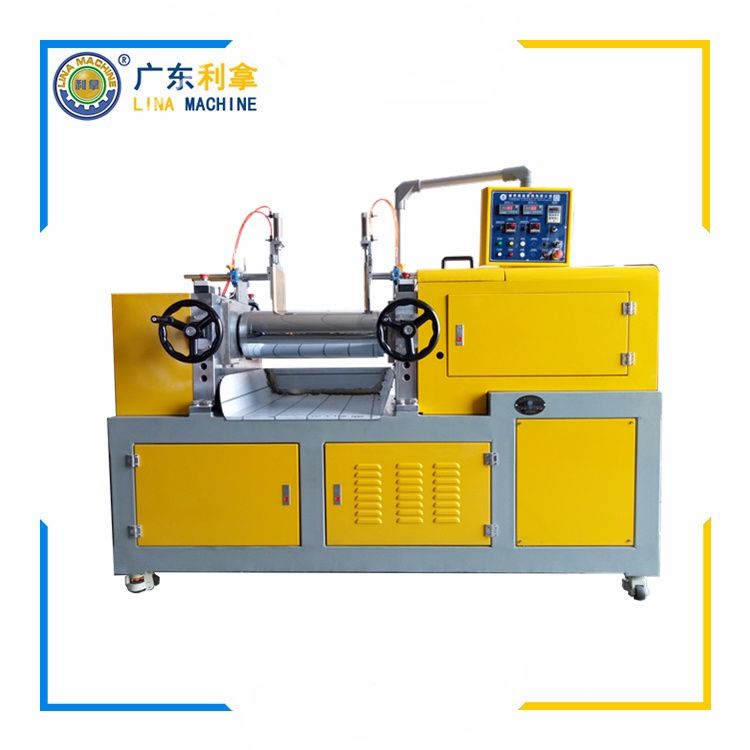
In addition to its technical capabilities, the three-roll mill also has a significant impact on the environment. By reducing waste and minimizing energy consumption, it helps to reduce greenhouse gas emissions and contributes to a more sustainable future.
1. Three-roll mill
2. Rubber technology
3. Vulcanization

4. Manufacturing process
5. Environmental impact
This article provides an in-depth overview of the three-roll mill, a critical tool in the rubber industry. It explains how the mill uses friction and heat to transform raw rubber into a vulcanized product, highlighting its role in manufacturing processes and its contribution to environmental sustainability. By understanding the benefits of this versatile machine, readers can better appreciate its importance in the world of rubber production.