



The Role of Mass Production in the Development of Compact Mixing Machines
In the realm of industrial machinery, compact mixing machines have become an integral part of many manufacturing processes. These machines are designed to handle a wide range of materials and produce uniformly mixed batches with minimal waste. One of the key factors that contribute to the success of these machines is their ability to be mass produced. This article will explore the importance of mass production in the development of compact mixing machines and how it has impacted the industry as a whole.
The first step in the development of a mass-produced compact mixing machine is the conceptualization of its design. Engineers must work closely with manufacturers to ensure that the machine's components can be manufactured at a consistent quality level. This requires careful planning and coordination between different departments within the company, including engineering, manufacturing, and quality control.
Once the design is finalized, the next step is to create a detailed blueprint for the machine's components. This includes drawings and specifications for each component, as well as any necessary software or tools needed to manufacture them. The blueprint should be reviewed by multiple stakeholders, including engineers, designers, and manufacturing personnel, to ensure that it meets all necessary standards and requirements.
Once the blueprint is complete, the next step is to begin the manufacturing process. This involves procuring the necessary materials and equipment, as well as training employees on how to operate the machines. Manufacturing personnel must follow strict guidelines and procedures to ensure that the machines are built to the highest standards of quality and reliability.
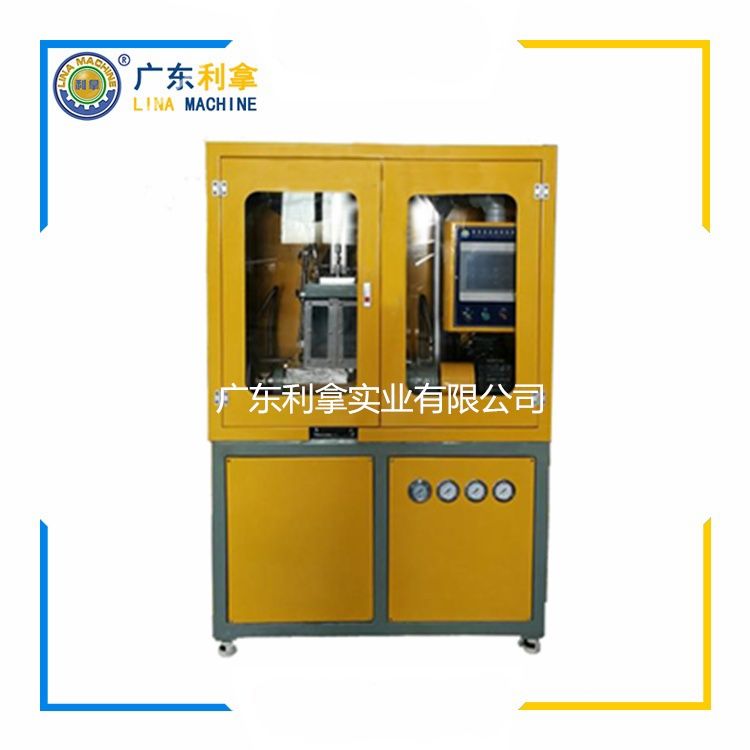
One of the key benefits of mass production in the development of compact mixing machines is cost savings. By producing large quantities of the same machine, manufacturers can reduce costs associated with raw materials, labor, and overhead expenses. This allows them to pass those savings on to customers, resulting in lower prices for consumers.
Another benefit of mass production is increased efficiency. With larger batch sizes, manufacturers can optimize their production processes and reduce waste. This not only saves money but also reduces environmental impact by reducing the amount of raw materials and energy used in the manufacturing process.
Finally, mass production enables manufacturers to quickly respond to changing market demands. As new technologies and materials become available, manufacturers can quickly adapt their production processes to incorporate these improvements into their products. This ensures that they remain competitive in the market and meet the evolving needs of their customers.
In conclusion, mass production plays a critical role in the development of compact mixing machines. By carefully planning and executing the manufacturing process, manufacturers can produce high-quality machines that meet the needs of their customers while saving money and reducing environmental impact. As the industry continues to evolve, we can expect to see even greater advancements in this area, further enhancing our ability to produce efficient and reliable machinery for a variety of applications.