



The Art of Rubber Additives Particle Formation Machinery
The rubber additives particle formation machine is a crucial tool in the production process of various rubber products. It plays a vital role in the quality and consistency of the final product, as it ensures that the additives are evenly distributed throughout the rubber matrix. In this article, we will explore the different types of rubber additives particle formation machines available in the market and their respective advantages and disadvantages.
One of the most popular types of rubber additives particle formation machines is the twin-screw extruder. This machine uses two parallel screws to mix and knead the raw materials, including the rubber and additives, into a uniform mixture. The resulting granules are then formed into pellets by passing them through a die. The twin-screw extruder has several advantages, such as high mixing efficiency, consistent granule size, and low energy consumption. However, it also has some drawbacks, such as higher capital investment and maintenance costs.
Another popular type of rubber additives particle formation machine is the single-screw extruder. This machine uses a single screw to mix and knead the raw materials, similar to the twin-screw extruder. However, the single-screw extruder has lower mixing efficiency and larger granule size compared to the twin-screw extruder. Despite these differences, the single-screw extruder is still widely used in the industry due to its simplicity and cost-effectiveness.
In addition to the above types of rubber additives particle formation machines, there are other specialized machines available in the market. For example, the melt compounder is used for preparing compounded rubber products, while the granulator is used for producing granulated additives. These machines have their own unique advantages and disadvantages, depending on the specific requirements of the end user.
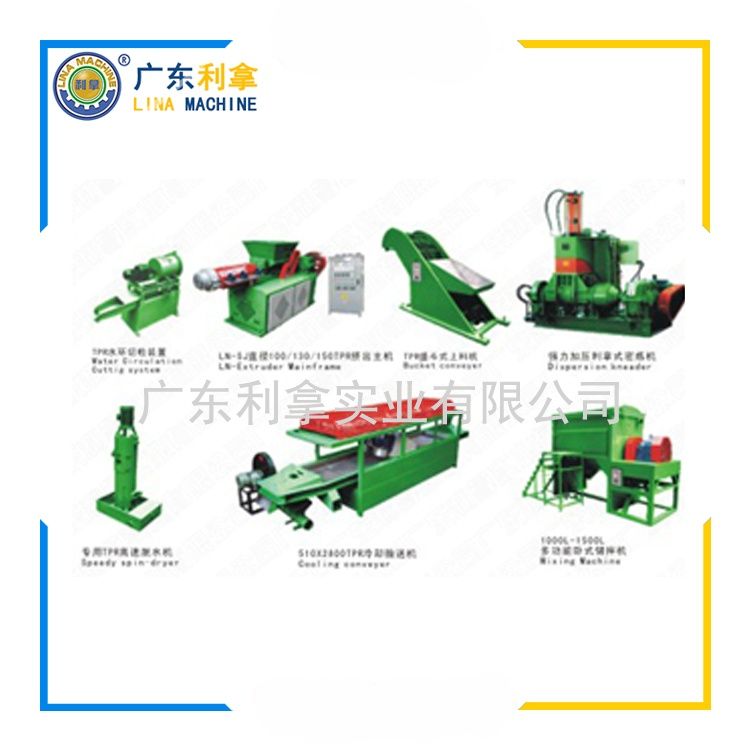
When selecting a rubber additives particle formation machine, it is important to consider factors such as capacity, speed, temperature control, and material compatibility. A well-chosen machine can significantly improve the quality and consistency of the final product, leading to increased customer satisfaction and profitability.
1. Rubber Additives Particle Formation Machine
2. Twin-Screw Extruder
3. Single-Screw Extruder
4. Melt Compounder
5. Granulator
This article provides an in-depth analysis of the different types of rubber additives particle formation machines available in the market, highlighting their respective advantages and disadvantages. By understanding the various options available, readers can make informed decisions about which machine best suits their needs and budget. Whether you're looking for a high-efficiency twin-screw extruder or a cost-effective single-screw extruder, our comprehensive guide will help you select the perfect machine for your next project.