



The Art of Particle Formation in Ceramic Powder Making Machines
Ceramic powder making machines are essential tools in the ceramic industry, enabling the production of high-quality ceramic materials. These machines are designed to process ceramic raw materials into finely divided powders that can be used for various applications such as electronics, construction, and automotive industries. In this article, we will explore the different types of ceramic powder making machines, their features, and how they contribute to the ceramic industry's success.
One of the most common types of ceramic powder making machines is the ball mill. This machine uses grinding media to break down the raw materials into smaller particles. Ball mills are widely used in the ceramic industry due to their ability to produce uniformly sized powders with a wide range of particle sizes. Another popular type of ceramic powder making machine is the hammer mill, which uses impact force to crush the raw materials into small particles. Hammer mills are efficient and cost-effective, but they require careful maintenance to ensure optimal performance.
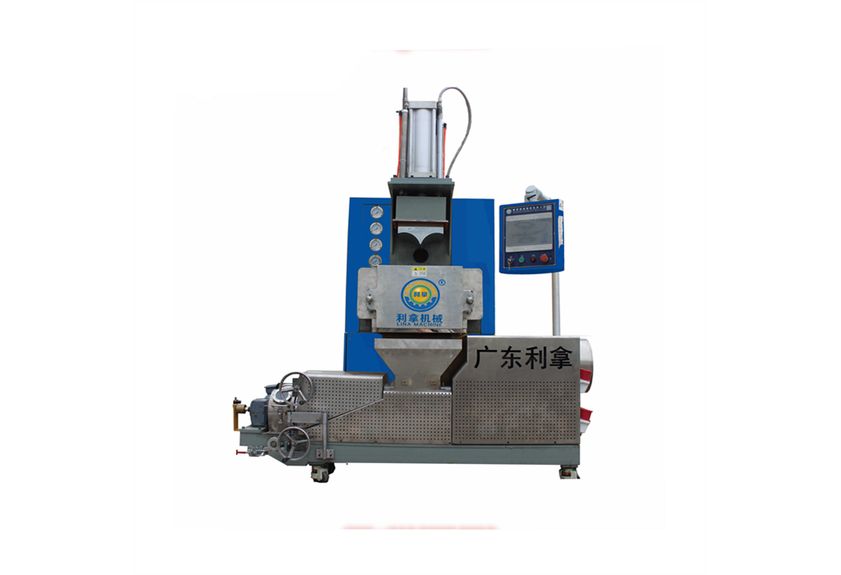
Another important type of ceramic powder making machine is the fluidized bed atomizer. This machine uses air or other gases to atomize the raw materials into small particles. Fluidized bed atomizers are commonly used in the ceramic industry for the production of high-temperature ceramic materials. They offer several advantages over other types of powder making machines, including improved energy efficiency and reduced environmental impact.
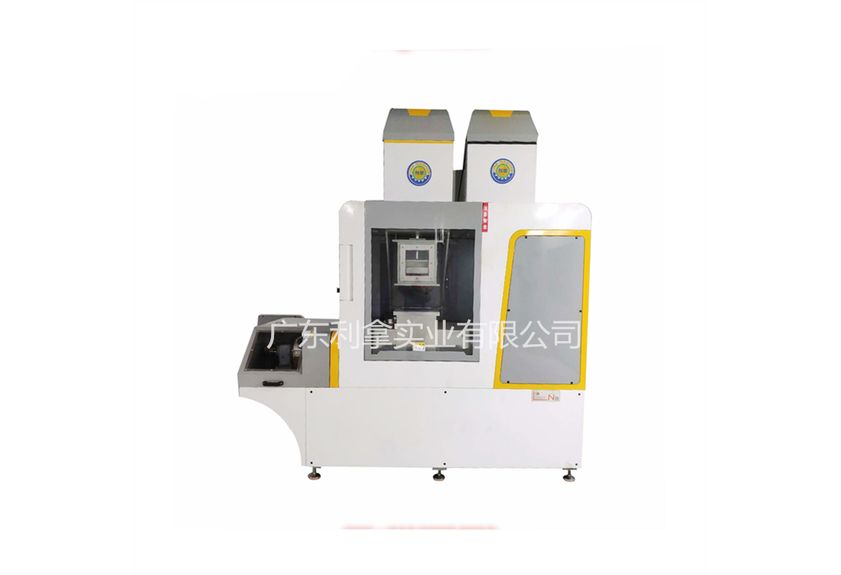
In addition to these basic types of ceramic powder making machines, there are also specialized devices available for specific applications. For example, the rotary drum granulator is used for the production of ceramic pigments and coatings. This machine rotates the raw materials through a series of screens to produce finely divided powders. Another example is the pneumatic transport system, which is used to transport ceramic powders from the powder making machine to the final application stage.
The success of ceramic powder making machines in the industry depends on several factors, including the quality of raw materials, the design and efficiency of the machine, and the skill of the operators. To achieve optimal results, it is essential to select the right type of ceramic powder making machine for each specific application and to maintain it regularly to ensure long-term productivity.
1. Ceramic Powder Making Machines
2. Ball Mill
3. Hammer Mill
4. Fluidized Bed Atomizer
5. Rotary Drum Granulator
6. Pneumatic Transport System
7. Quality Raw Materials
8. Machine Design and Efficiency
9. Operator Skill
This article provides an in-depth analysis of the various types of ceramic powder making machines available in the industry, highlighting their key features and benefits. We discuss the importance of selecting the right type of machine for each specific application, along with the role played by operator skills and machine maintenance in ensuring optimal performance. By understanding the capabilities of these machines, businesses can optimize their ceramic powder production processes and achieve greater success in the competitive market.