



The Role of EVA, TPR, and PVC in the Manufacturing of Pellet Production Lines
In the realm of polymer processing, the production of pellets is a crucial step in the manufacturing process. This article will delve into the importance of EVA (Ethylene Vinyl Acetate), TPR (Thermoplastic Rubber), and PVC (Polyvinyl Chloride) in the creation of these pellets.
Firstly, EVA stands for Ethylene Vinyl Acetate, which is a thermoplastic elastomer that is widely used in the production of flexible and durable materials. It is commonly used in the production of plastic bags, films, and other packaging materials. In the context of pellet production, EVA plays a vital role in creating pellets that are soft and pliable, making them ideal for use in various applications such as toys, clothing, and household items.
Next, TPR stands for Thermoplastic Rubber, which is a type of thermoplastic elastomer that is characterized by its high flexibility and elasticity. It is commonly used in the production of automotive parts, footwear, and other consumer goods. In the context of pellet production, TPR is essential in creating pellets that have excellent flexibility and resilience, making them ideal for use in applications where durability and flexibility are critical.
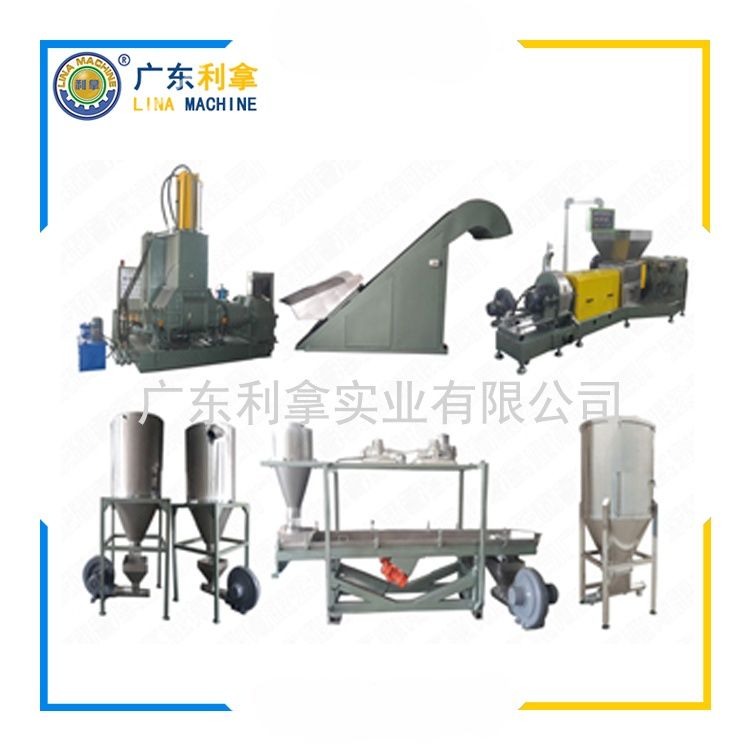
Finally, PVC stands for Polyvinyl Chloride, which is a synthetic polymer that is widely used in the production of various products such as pipes, flooring, and construction materials. In the context of pellet production, PVC is important in creating pellets that are strong and durable, making them ideal for use in applications where strength and durability are critical.
Overall, the combination of EVA, TPR, and PVC in the production of pellets is crucial in creating materials that are both flexible and durable. These materials are widely used in various industries, from automotive to construction, and their ability to withstand various conditions makes them an essential part of many products.
1. EVA
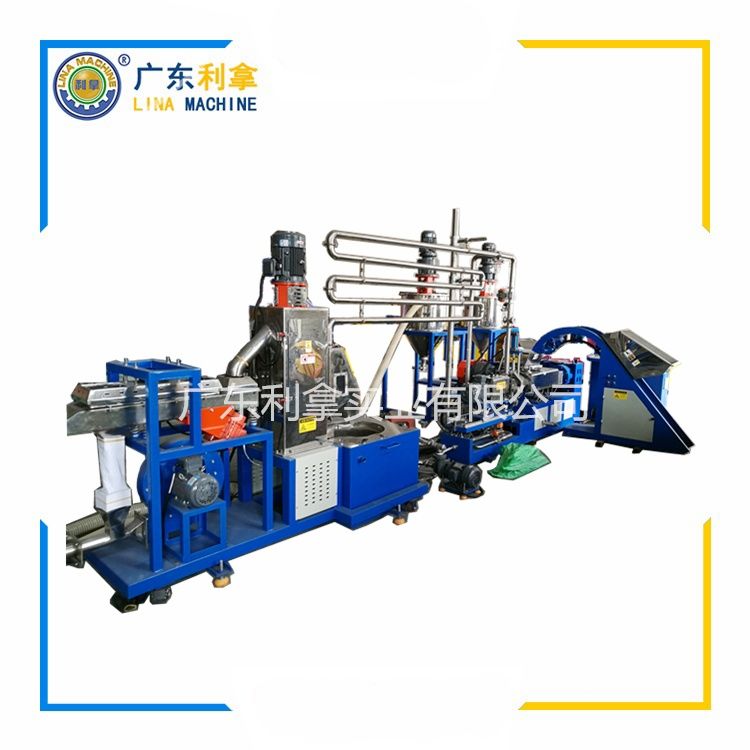
2. TPR
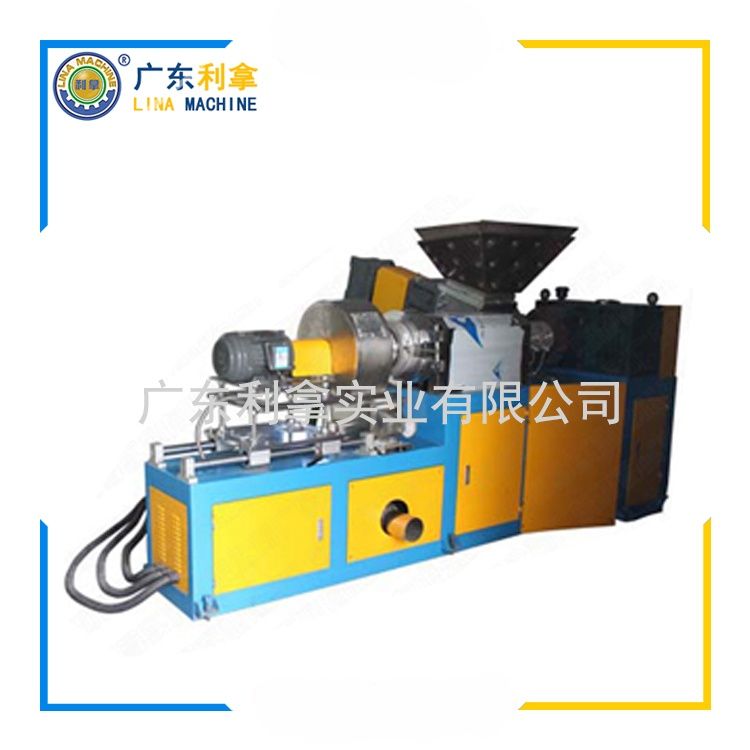
3. PVC
4. Plastic Pellets
5. Automotive Parts
6. Footwear
7. Construction Materials
8. Durability
9. Flexibility
10. Industry Applications
This article provides an in-depth analysis of the importance of EVA, TPR, and PVC in the production of plastic pellets. By discussing the unique properties of each material, we highlight their significance in creating materials that are both flexible and durable. We explore how these materials are used in various industries, from automotive to construction, and discuss their ability to withstand various conditions. Our goal is to provide readers with an understanding of the importance of these materials in the world of polymer processing and their impact on various industries.