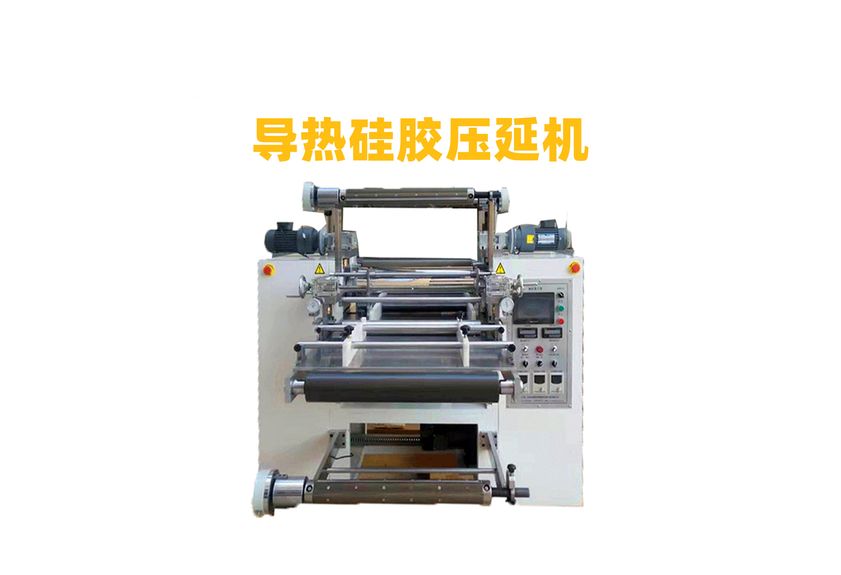
The Role of Lithium Battery Pulley Pressing Machine in the Manufacturing Process
The lithium battery industry is one of the fastest-growing sectors in the global energy market. The demand for lithium batteries has been increasing rapidly due to their high energy density, long lifespan, and environmental friendliness. To meet this demand, the manufacturing process of lithium batteries must be optimized continuously. One crucial step in this process is the production of lithium battery cells, which involves the assembly of electrodes, separators, and electrolytes. Among these components, the production of lithium battery electrodes is particularly important.
Lithium battery electrodes are made up of two main types: cathode and anode. The cathode is made up of a material that can store and release lithium ions, while the anode is made up of a material that can accept and release lithium ions. During the production process, the cathode and anode are combined together through a process called "piecing." This process involves using a special machine called a "pulley pressing machine" to compress the cathode and anode together.
The purpose of the piecing process is to ensure that the cathode and anode are evenly distributed throughout the entire cell. This ensures that the lithium ions can move freely between the two materials, leading to efficient energy storage and discharge. Additionally, the piecing process also helps to minimize the risk of short circuits or other issues that may occur during the production process.
In order to achieve the best results from the piecing process, it is essential to use a high-quality piecing machine. These machines are designed to handle large volumes of work quickly and efficiently, while also ensuring that the cathode and anode are properly aligned. The machine's precision control system allows for precise adjustments to be made during the piecing process, ensuring that each cell is produced with consistent quality.
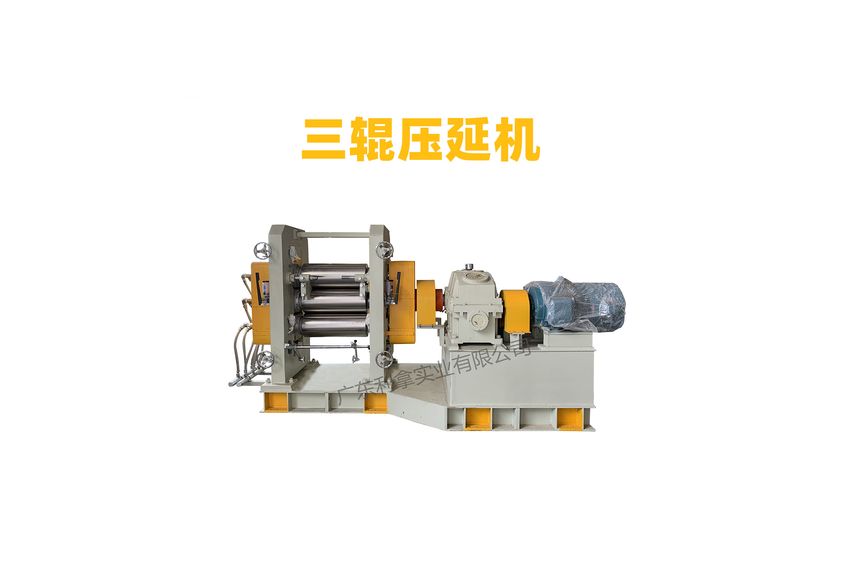
Overall, the piecing process plays a critical role in the manufacturing of lithium battery electrodes. By using high-quality piecing machines, manufacturers can produce lithium battery cells that are both reliable and efficient, meeting the demands of the global energy market. As the demand for lithium batteries continues to grow, the importance of this process will only increase.