Modified Plastic Granulators: Revolutionizing the Manufacturing Process
In the realm of plastic manufacturing, there is a significant shift towards more efficient and sustainable processes. One such innovation that has gained immense traction in recent years is the use of modified plastic granulators. These machines have revolutionized the way plastic materials are processed, resulting in faster production times, improved quality, and reduced waste.
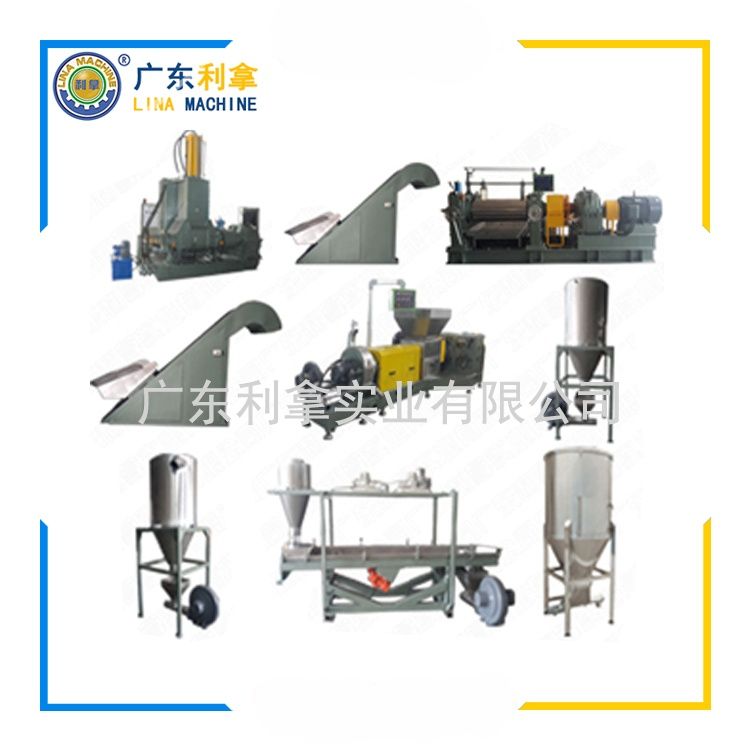
At its core, a modified plastic granulator is a sophisticated piece of equipment designed to process a wide range of thermoplastics into granular form. This granulation process involves melting the plastic material, then rapidly cooling it to create small, uniform pellets. The granulator's ability to handle a variety of plastics and produce high-quality pellets makes it an essential tool for many industries, including packaging, construction, and automotive.
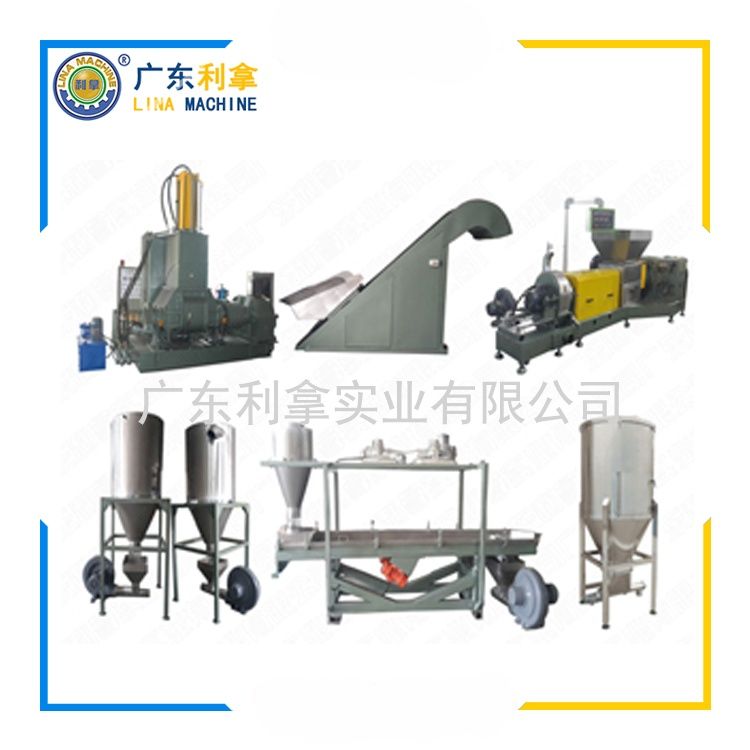
One of the key benefits of using a modified plastic granulator is its ability to process a wide range of thermoplastics. This includes materials like polyethylene, polypropylene, and even biodegradable plastics like polylactic acid (PLA). The granulator's advanced technology allows for precise control over the temperature and pressure during the granulation process, ensuring that each pellet is consistent in size and quality.
Another advantage of these granulators is their ability to reduce waste. By producing smaller, more uniform pellets, manufacturers can optimize their storage and transportation needs, ultimately leading to lower costs and increased efficiency. Additionally, the granulator's design incorporates features like automatic feeding and dispensing systems, further streamlining the production process and reducing downtime.
In conclusion, the use of modified plastic granulators is transforming the way plastic materials are processed in today's manufacturing world. With their ability to handle a wide range of plastics and produce high-quality pellets, these machines are becoming increasingly popular among industry professionals. As technology continues to advance, we can expect even more innovative solutions to emerge, further enhancing the efficiency and sustainability of plastic manufacturing.