



Advanced Technology in Polymer Processing: The Importance of Granulation Machines
In the realm of polymer processing, the granulation process is a crucial step that transforms molten polymer into solid pellets. This process is essential for various applications such as packaging, pharmaceuticals, and even renewable energy materials. The importance of granulation machines lies in their ability to produce high-quality pellets with consistent size and shape, which are critical for maintaining product integrity and performance.
One of the key features of modern granulation machines is their ability to handle a wide range of polymers, including thermoplastics, thermosets, and biopolymers. These machines are designed to operate at different temperatures and pressures, allowing for flexibility in processing different types of polymers. Additionally, they offer advanced automation features that enhance productivity and reduce labor costs.
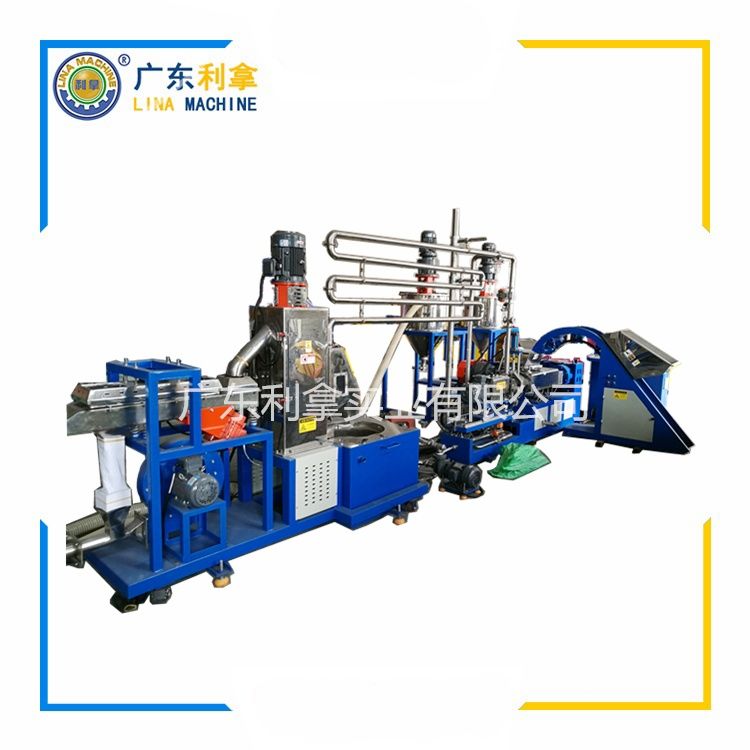
Another important aspect of granulation machines is their ability to control the granulation process accurately. This involves monitoring the temperature, pressure, and other parameters during the granulation process to ensure consistency and quality. By using advanced sensors and control systems, granulation machines can produce pellets with uniform sizes and shapes, which are critical for many applications.
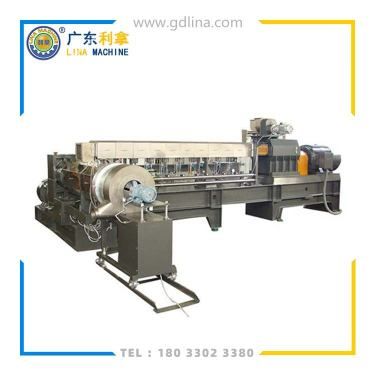
In addition to their technical advantages, granulation machines also have environmental benefits. They can reduce energy consumption by minimizing waste and improving efficiency. Furthermore, they can minimize emissions and contribute to sustainable production practices.
Overall, granulation machines play a vital role in the polymer processing industry. Their ability to produce high-quality pellets with consistent size and shape allows for improved product performance and extends the lifespan of products. As technology continues to advance, we can expect to see even more innovative granulation machines that will further enhance our ability to produce high-quality polymer products.