



The Art of Rubber Processing: An Overview of Rubber Processing Machines
Rubber processing machines play a crucial role in the manufacturing industry, particularly in the production of rubber products such as tires, hoses, and gloves. These machines are designed to process raw rubber materials into finished products with precise control over various parameters, including temperature, pressure, and speed. In this article, we will explore the different types of rubber processing machines available and their unique features.
One of the most common types of rubber processing machines is the vulcanizing machine. This machine is used to cure or set the rubber compound, which is then processed further into the desired product. Vulcanizing machines come in various sizes and configurations, depending on the type of rubber being processed and the desired output. Some popular vulcanizing machines include compression molding machines, extruders, and injection molding machines.
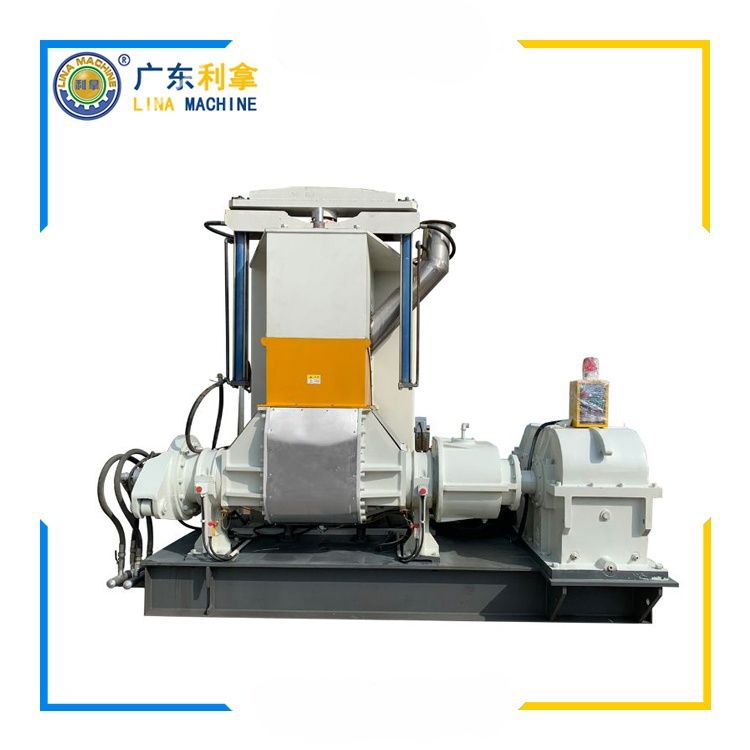
Another essential piece of equipment in the rubber processing industry is the mixing machine. These machines are used to mix and blend different rubber compounds together, resulting in a homogeneous mixture that can be easily processed into finished products. Mixing machines come in various sizes and configurations, depending on the complexity of the rubber material being processed. Some popular mixing machines include rotary drum mixers, twin-screw extruders, and high-speed shear mixers.
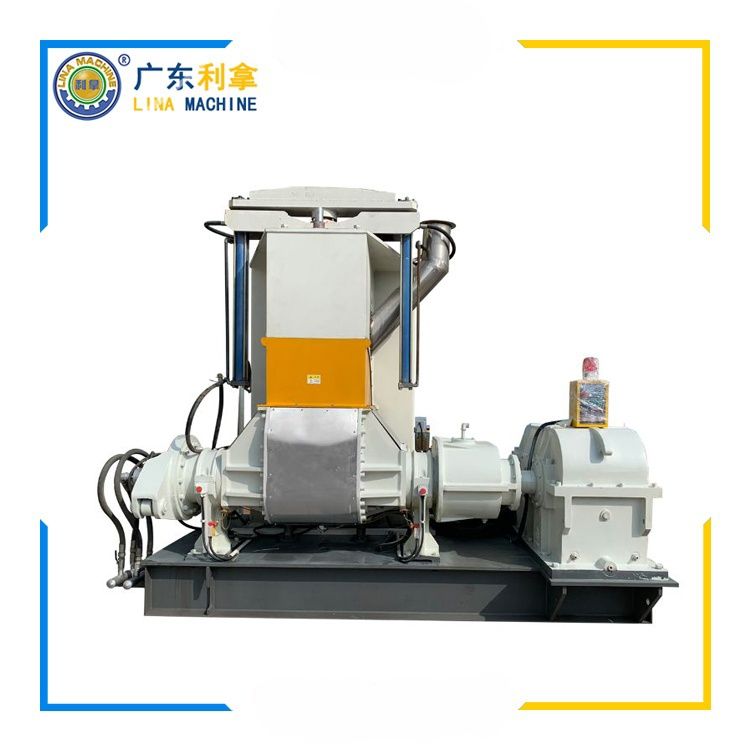
In addition to these two main types of rubber processing machines, there are also specialized machines designed for specific applications. For example, the extrusion machine is used to produce continuous lengths of rubber tubing, while the blow molding machine is used to create complex shapes from rubber sheets. Other specialized machines include the compression molding machine, which is used to shape rubber parts, and the calendering machine, which smoothes the surface of rubber products.
When selecting a rubber processing machine, it is important to consider several factors, including the type of rubber being processed, the desired output, and the budget available. Each machine has its own advantages and disadvantages, so it is important to do research and consult with experts to determine which machine is best suited for your specific needs.
1. Rubber Processing Machines
2. Vulcanizing Machines
3. Mixing Machines
4. Rubber Compounds
5. Rubber Products
This article provides an in-depth overview of the various types of rubber processing machines used in the manufacturing industry, including vulcanizing machines, mixing machines, and other specialized machines. We discuss the benefits and limitations of each machine, highlighting their unique features and capabilities. By understanding the different types of rubber processing machines available, manufacturers can make informed decisions about which machine is best suited for their specific needs, ultimately leading to improved efficiency and cost savings.