The Role of the Falling Die Mixer in the Manufacturing Process
The falling die mixer, also known as a falling screw extruder, is an essential piece of machinery in the manufacturing industry. It plays a crucial role in the production process by mixing and kneading various materials together to form a uniform product. In this article, we will explore the working principles of the falling die mixer, its advantages, and how it can be used to improve the efficiency of the manufacturing process.
The falling die mixer consists of a rotating barrel with a series of parallel grooves or dies that are arranged in a descending order. As the material enters the barrel, it is forced through the grooves by the rotating barrel, causing it to be mixed and kneaded. The material then exits the bottom of the barrel, where it is collected and processed further.
One of the main advantages of the falling die mixer is its ability to produce a uniform product. The grooves on the barrel ensure that the material is evenly distributed throughout the barrel, resulting in a consistent product quality. Additionally, the falling die mixer can handle a wide range of materials, including plastics, rubber, and metals, making it versatile for different applications.
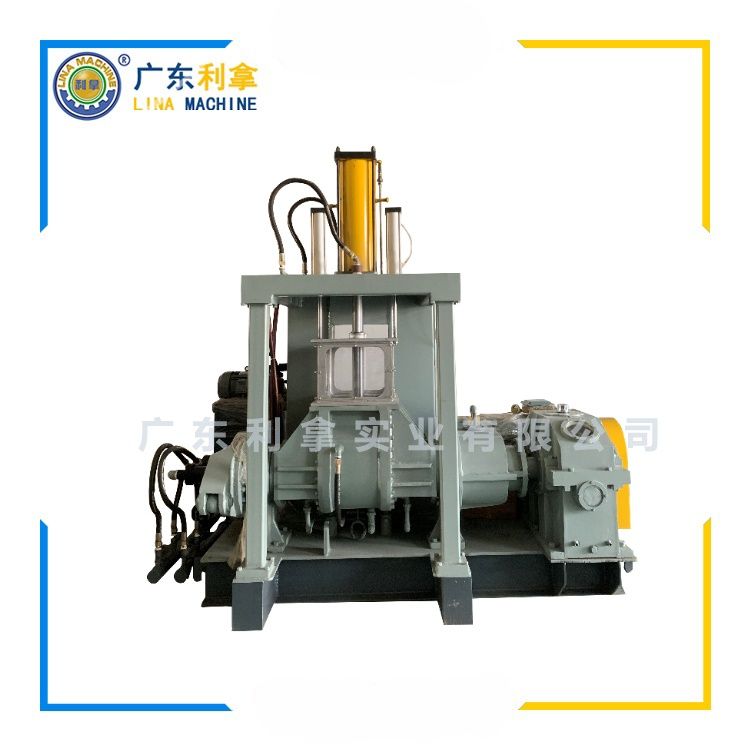
To improve the efficiency of the manufacturing process, manufacturers can use the falling die mixer to reduce waste and increase productivity. By adjusting the speed and configuration of the dies, they can optimize the mixing process and achieve better results. Additionally, using advanced monitoring systems can help identify any issues with the machine and prevent downtime, ensuring that the manufacturing process runs smoothly.
In conclusion, the falling die mixer is a valuable tool in the manufacturing industry. Its ability to produce a uniform product and handle a wide range of materials makes it an essential piece of machinery for many industries. By understanding its working principles and using it effectively, manufacturers can improve their efficiency and achieve better results.