



The Role of Electric Sulfurizing Machines in the Manufacturing Industry
In the manufacturing industry, the use of electric sulfurizing machines has become increasingly popular due to their efficiency and precision. These machines are designed to process materials such as metals, plastics, and composites by subjecting them to a high-temperature sulfurizing process. This process is essential for improving the properties of these materials, such as strength, hardness, and wear resistance.
One of the key benefits of using electric sulfurizing machines is their ability to process large volumes of material quickly and efficiently. This is achieved through the use of advanced control systems that can adjust the temperature and pressure of the sulfurizing process based on the specific requirements of the material being processed. This not only reduces downtime but also minimizes waste and energy consumption.
Another advantage of electric sulfurizing machines is their ability to produce high-quality products. The process involves heating the material to a high temperature, which causes it to react with sulfur gases to form a protective layer on the surface. This layer helps to protect the material from further damage and improves its overall performance.
The use of electric sulfurizing machines has also led to significant improvements in the manufacturing industry's ability to produce complex parts and components. By using these machines, manufacturers can produce parts with tight tolerances and high accuracy, which is critical for many applications in the automotive, aerospace, and electronics industries.
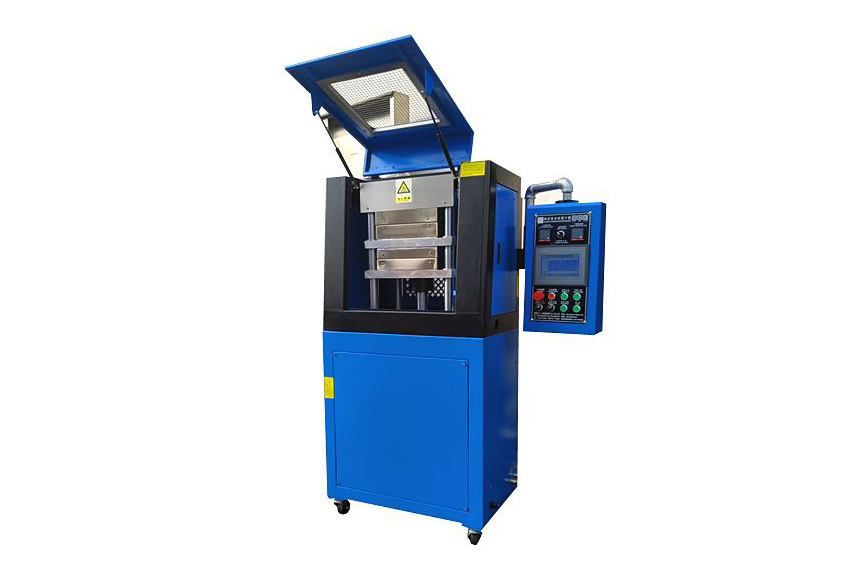
Overall, the adoption of electric sulfurizing machines has had a significant impact on the manufacturing industry. These machines have helped to increase efficiency, reduce waste, and improve product quality, making them an essential tool for modern manufacturing processes.