The Double Roll Mill: A Revolutionary Tool in Rubber Technology
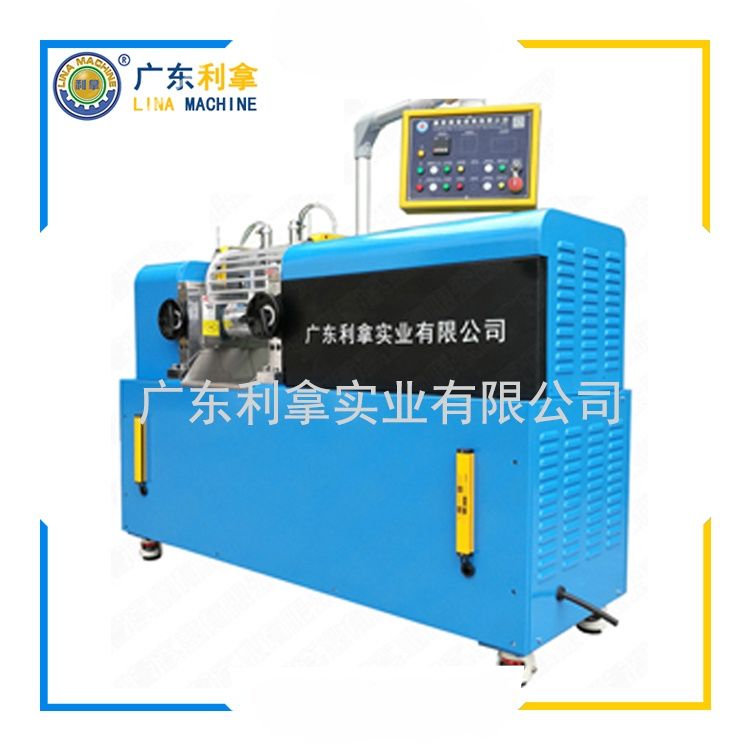
The double roll mill, also known as a twin-roll mill, is a critical piece of equipment in the rubber industry. It is an essential tool for processing and shaping raw materials into various types of rubber products. This machine has been around for over a century and has undergone numerous improvements to meet the ever-evolving needs of the rubber industry. In this article, we will explore the basics of the double roll mill, its working principles, and its applications in the rubber manufacturing process.
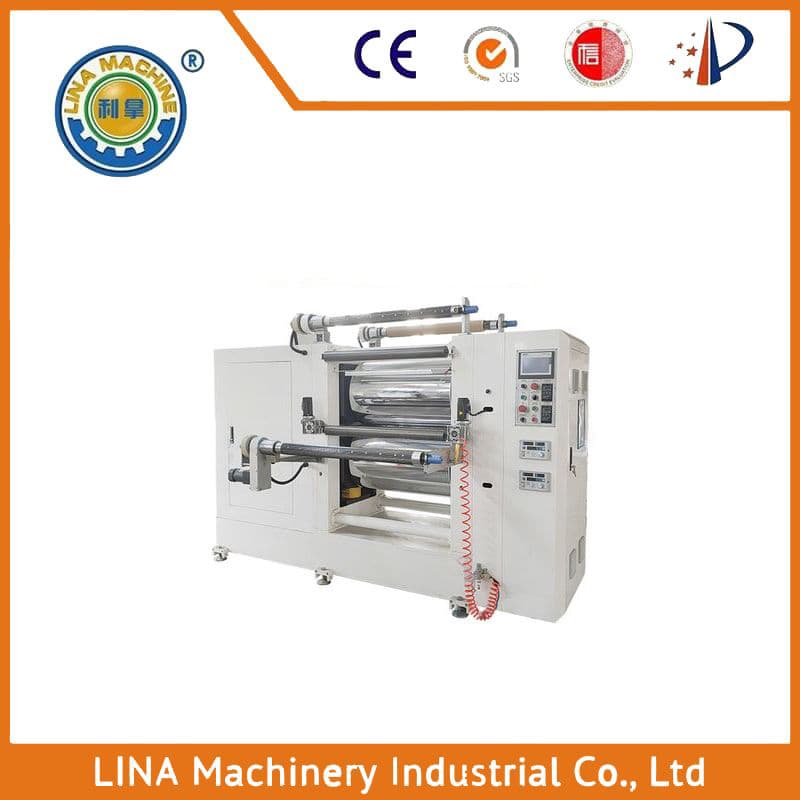
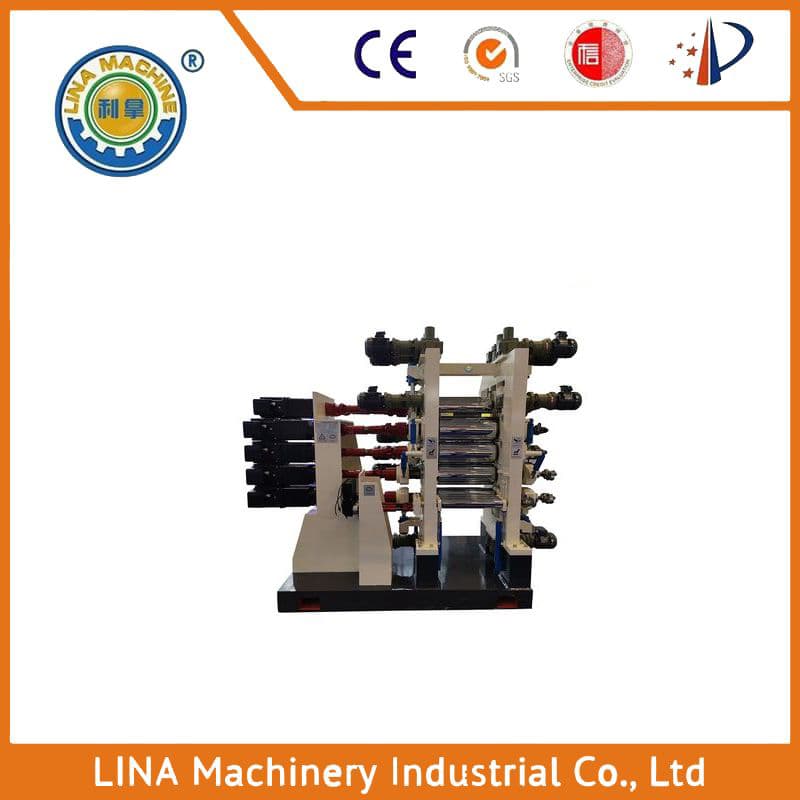
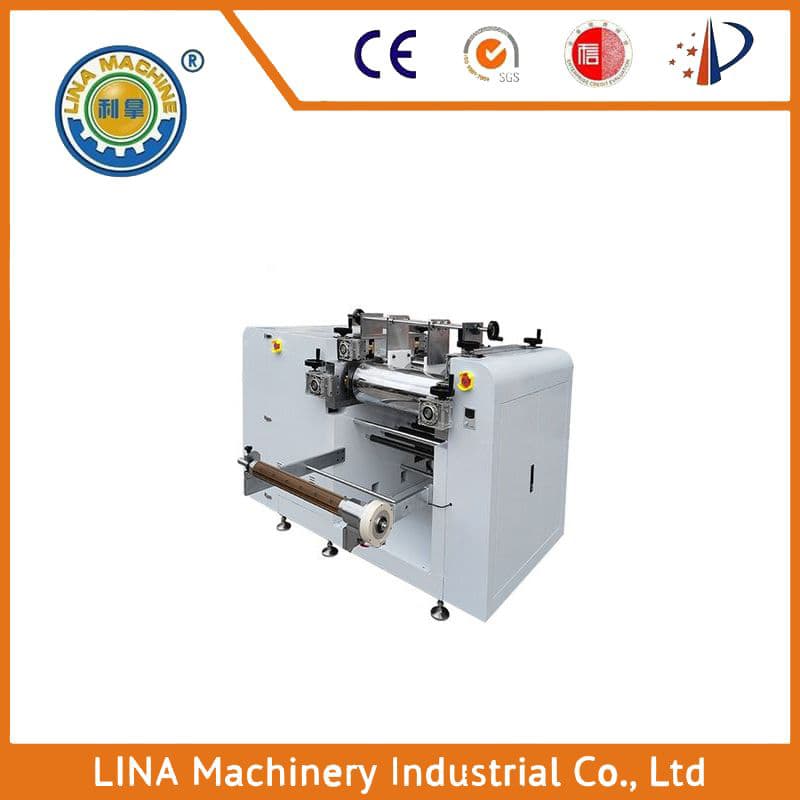
The double roll mill consists of two parallel rollers that rotate at different speeds. These rollers are mounted on a shaft and are separated by a gap called the "gap" or "recess." The gap allows the raw material to flow between the rollers and be processed. The rollers are typically made of high-carbon steel and are coated with a layer of lubricant to ensure smooth operation.
The working principle of the double roll mill is based on the principle of shearing and compression. As the raw material moves between the rollers, it is subjected to shear forces that break down the polymer chains and create smaller molecules. This process is known as vulcanization. The compression forces applied by the rollers cause the polymer chains to rearrange themselves, resulting in a more ordered structure. This ordered structure gives the final product its desired properties, such as strength, flexibility, and durability.
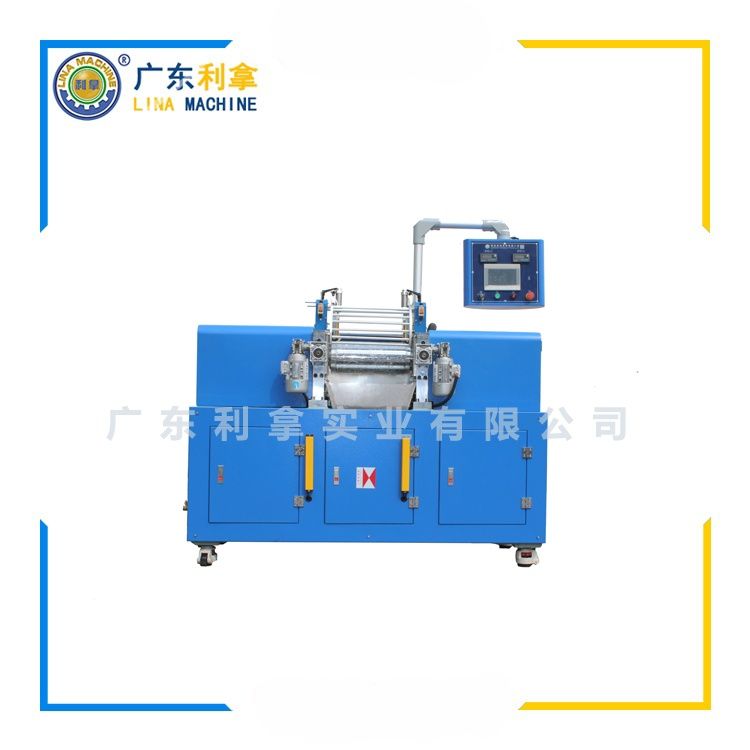
The double roll mill is used in various stages of the rubber manufacturing process. In the primary stage, the raw material is mixed with carbon black and other additives to form a paste. This paste is then fed into the double roll mill where it is subjected to shearing and compression. The result is a vulcanized rubber sheet that can be further processed into various products, such as tires, hoses, and gloves.
In the secondary stage, the vulcanized rubber sheet is cut into small pieces and passed through a dryer to remove any moisture. This process is known as drying. Once dried, the rubber pieces are ready for further processing, such as molding or extrusion.
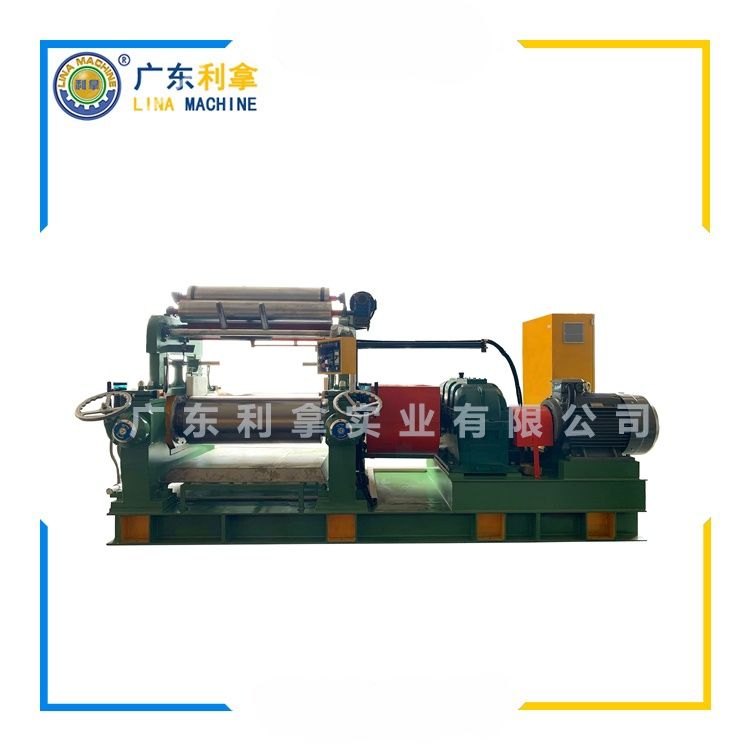
In the tertiary stage, the dried rubber pieces are molded or extruded into specific shapes and sizes. This process involves using specialized tools and techniques to shape the rubber into the desired product. The final product is then packaged and shipped to customers worldwide.
In conclusion, the double roll mill is a crucial tool in the rubber industry due to its ability to process raw materials into various types of rubber products. Its working principles involve shearing and compression, which help to create a more ordered structure in the polymer chains. The double roll mill is used in various stages of the rubber manufacturing process, from mixing and drying to molding and extrusion. Its application in the rubber industry has expanded significantly over the years, making it an essential tool for those involved in the production of rubber products.