The Role of the Two-Roll Rolling Press in Metal Forming
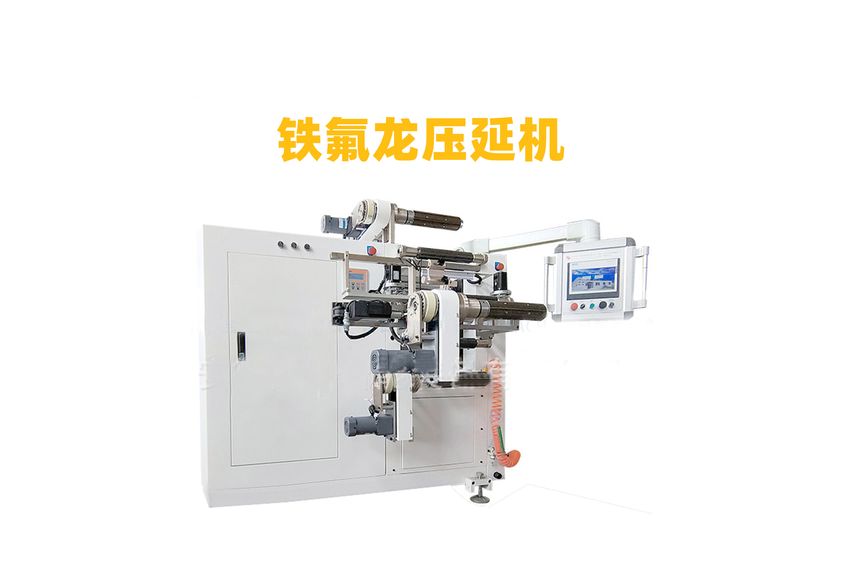
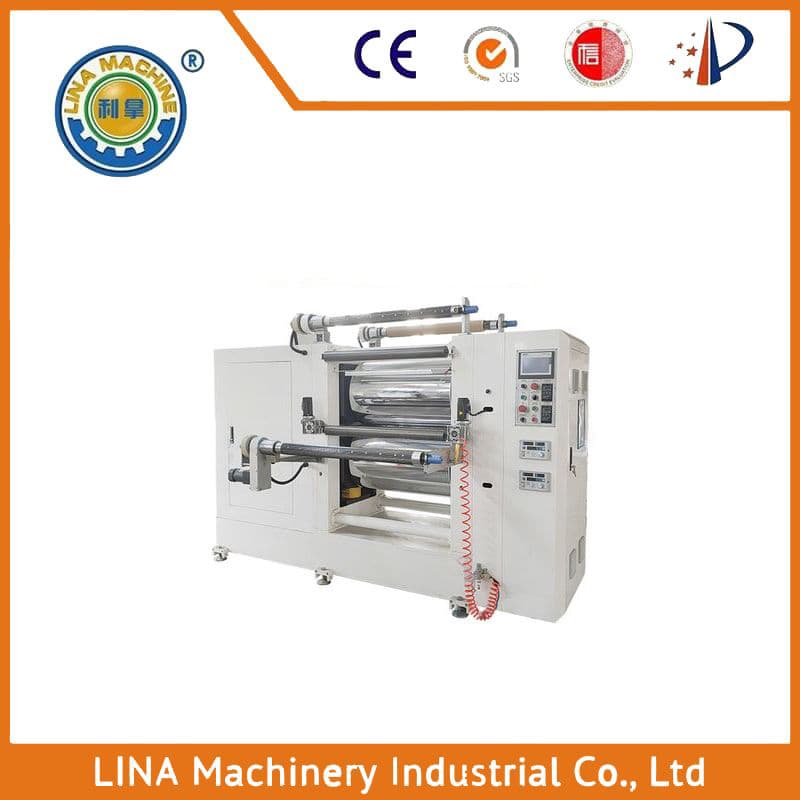
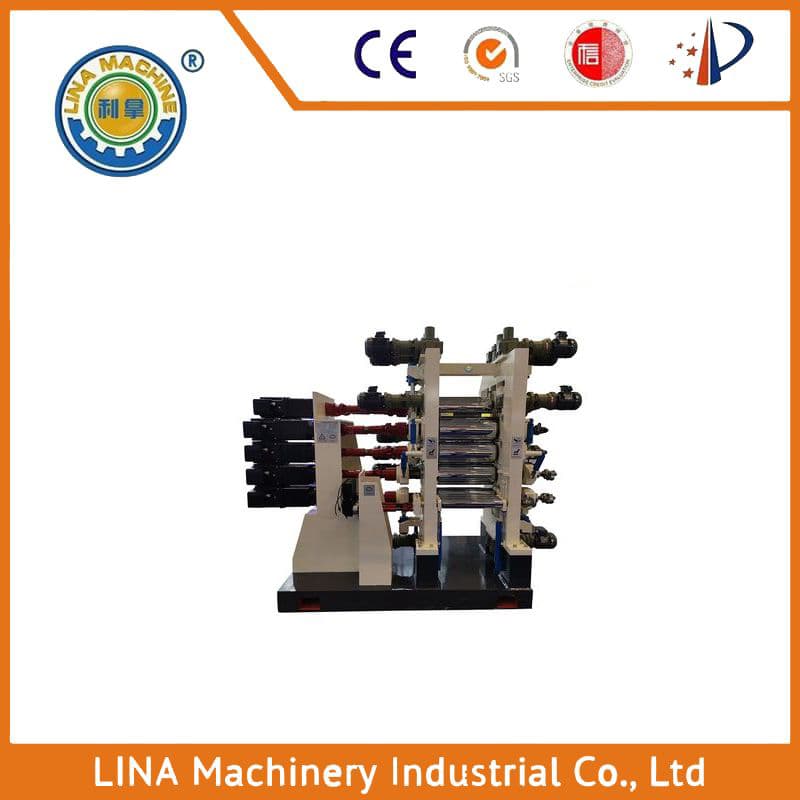
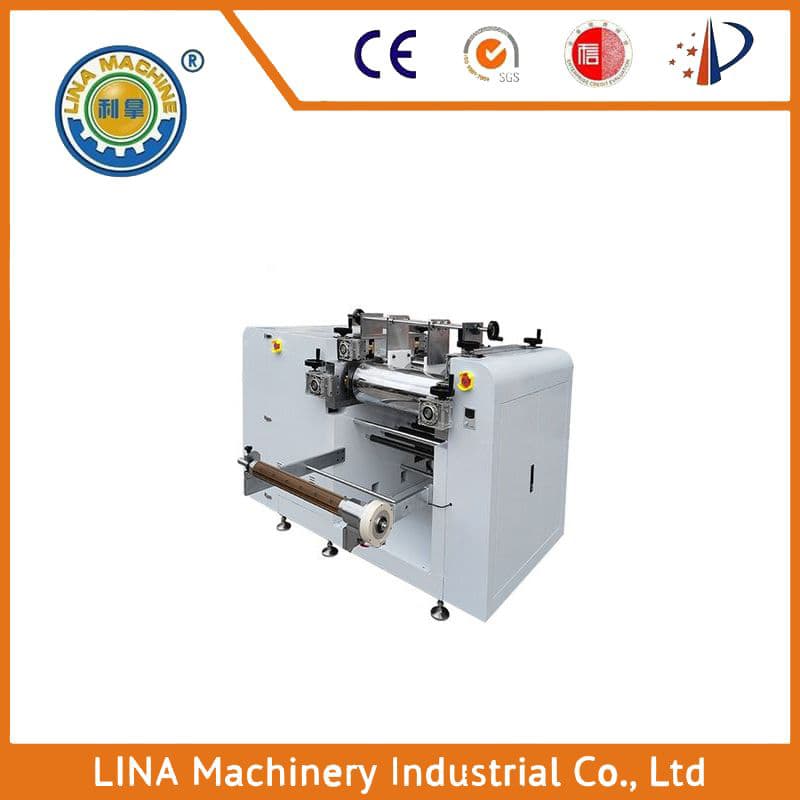
The two-roll rolling press is a crucial piece of equipment in the metalworking industry, particularly in the production of sheet metal products. This machine uses two rollers to roll and stretch sheets of metal into a uniform thickness, often used for creating corrugated cardboard, aluminum foil, and other thin sheets. The process involves applying pressure between the two rollers, which causes the sheet to be stretched and deformed, resulting in a smoother surface and improved mechanical properties.
One of the key features of the two-roll rolling press is its ability to handle a wide range of materials, including steel, aluminum, and copper. This makes it an ideal choice for manufacturers looking to produce a variety of products with consistent quality and consistency. Additionally, the two-roll rolling press can be adjusted to create different thicknesses of sheet, allowing for customization of the final product.
Another advantage of this machine is its efficiency. Compared to other methods of sheet metal forming, such as bending or rolling, the two-roll rolling press can produce larger volumes of sheet at a faster rate. This makes it an attractive option for businesses that need to produce large quantities of sheet metal products on a regular basis.
However, like any machine, the two-roll rolling press has its limitations. One potential issue is the risk of damage to the machine if not properly maintained. Additionally, the process may require specialized tools and expertise to ensure optimal results. However, with proper training and maintenance, these challenges can be overcome.

In conclusion, the two-roll rolling press is a versatile and efficient tool in the metalworking industry, capable of producing a wide range of sheet metal products with consistent quality and consistency. Its ability to handle a variety of materials and produce large volumes of sheet at a fast rate makes it an attractive option for businesses looking to streamline their production processes.