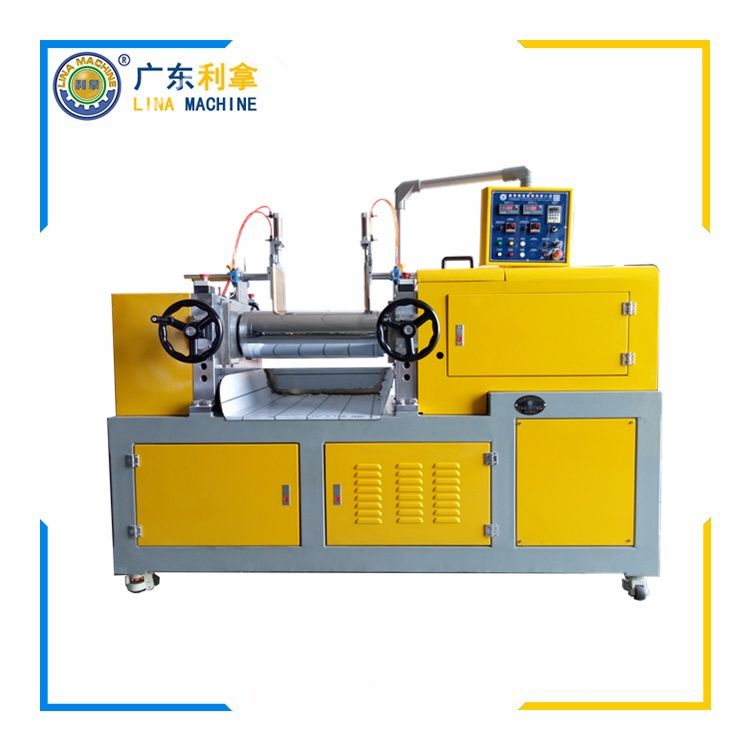
The Art of Molding Machines: Understanding the Power of Plastic Forming
In the realm of industrial production, the art of molding machines is a testament to human ingenuity and technological advancement. These machines are the silent guardians of countless products that grace our daily lives, from the sleek exteriors of cars to the intricate details of jewelry. But what makes these machines so powerful? What secrets do they hold within their metal frames? Let us delve into the world of plastic forming machines and uncover their secrets.
At its core, a molding machine is a marvel of engineering. It consists of a complex assembly of moving parts, each with a specific function in the molding process. From the high-speed rotation of the screw to the precise control of temperature and pressure, every aspect of the machine contributes to the final product's quality and consistency.
But beyond its mechanical components, molding machines are also a testament to human creativity. They can be customized to meet the unique needs of any industry, whether it's the automotive or the medical sectors. With a wide range of materials and designs available, molding machines have the potential to revolutionize entire industries.
However, like any machine, molding machines require regular maintenance and upkeep to ensure they remain at their peak performance. This includes cleaning the internal components to remove debris and preventing wear and tear on moving parts. It also involves monitoring the temperature and pressure settings to prevent any potential hazards.
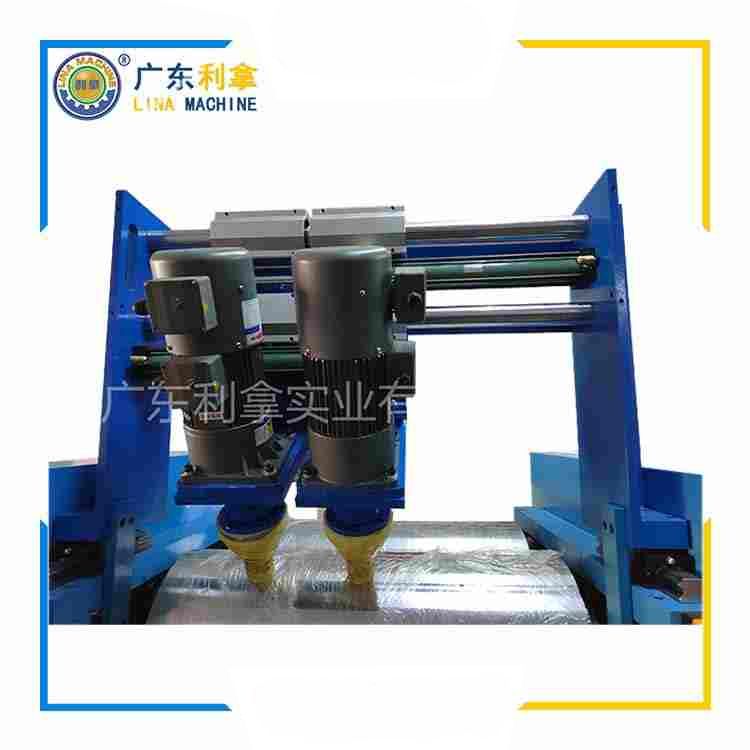
In conclusion, molding machines are more than just tools for creating products. They represent a testament to human ingenuity and the power of technology. As we continue to explore the possibilities of this field, we must remember that these machines are only as good as the people who operate them. And as we look towards the future, we can only imagine the endless possibilities that await us in the world of plastic forming machines.