
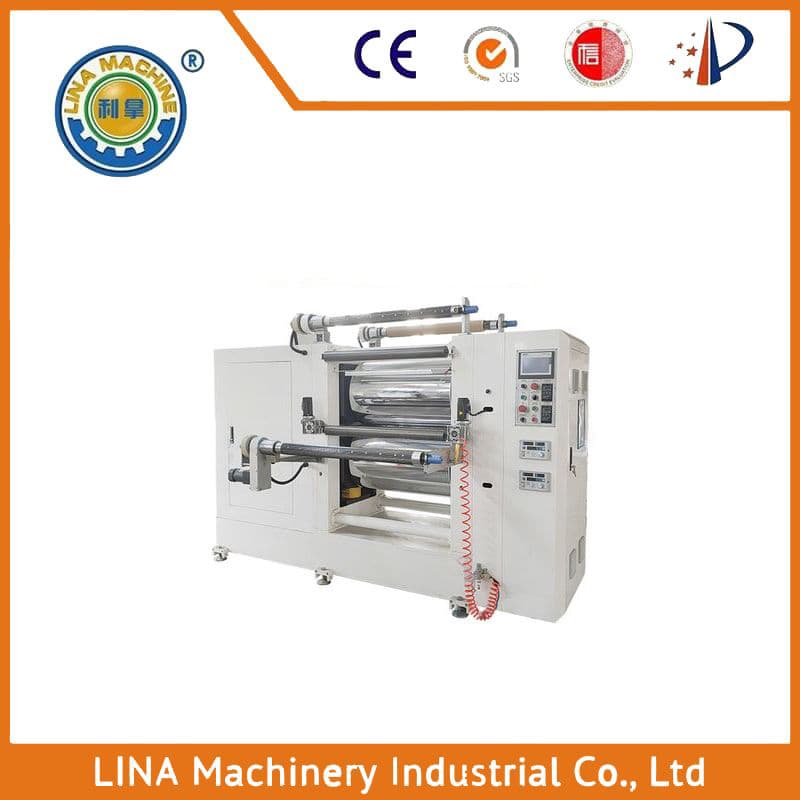
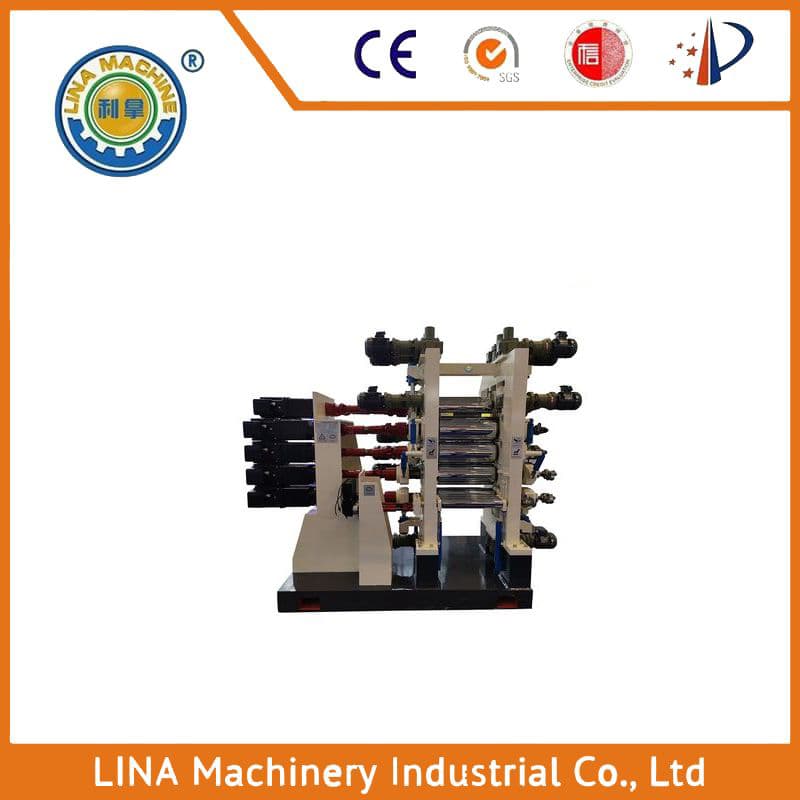
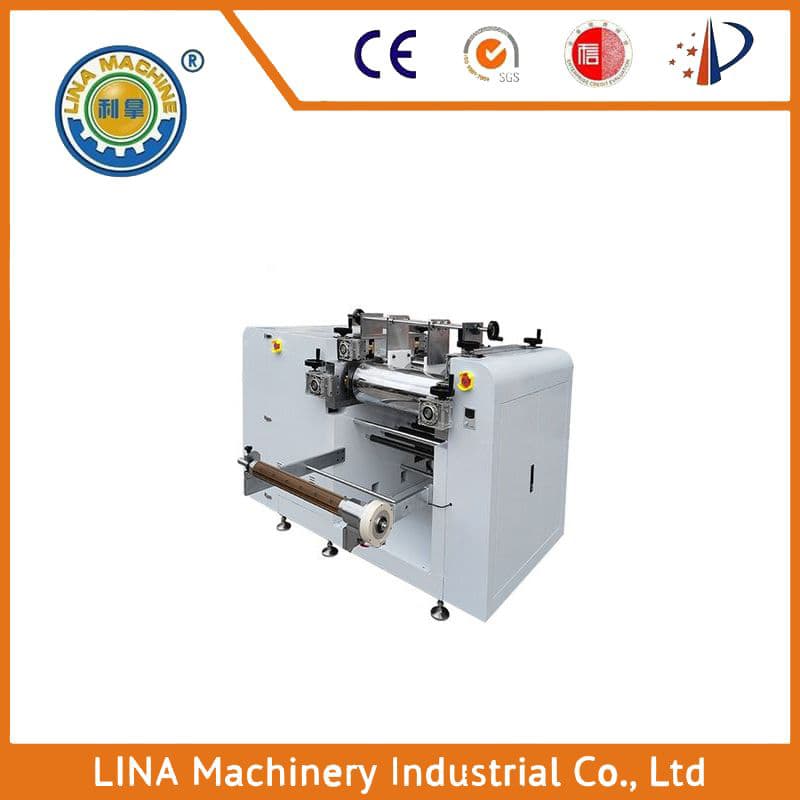
The Role of Thin Film Rolling Machines in Manufacturing
Thin film rolling machines are an essential tool in the manufacturing industry, particularly in the production of thin films and coatings. These machines are designed to apply a uniform layer of material onto a substrate, often with high precision and minimal waste. In this article, we will explore the different types of thin film rolling machines, their applications, and how they contribute to the overall process of manufacturing.
There are several types of thin film rolling machines, each with its own unique features and capabilities. Some of the most common types include:
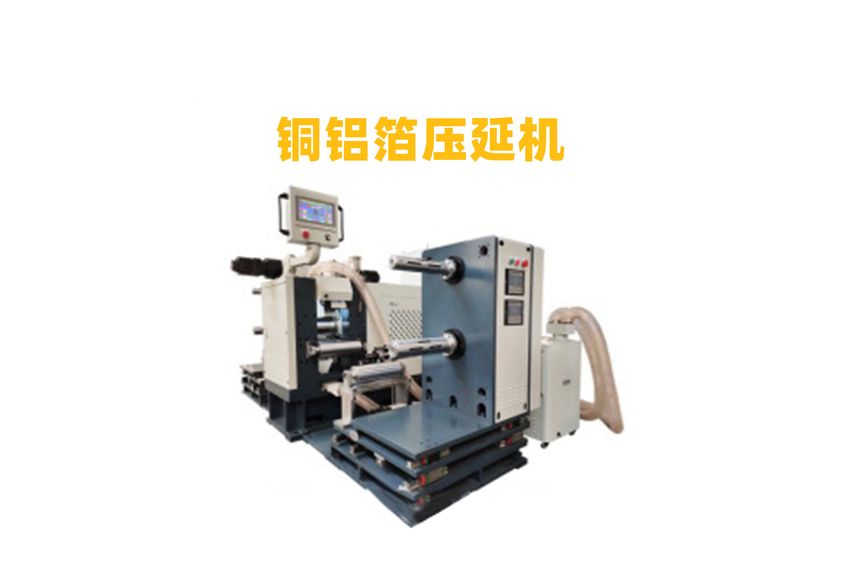
1. Flat Roller Mills: These machines use rollers to apply a thin layer of material onto a substrate. They are commonly used for the production of metal sheets and foils.

2. Roll-to-Roll Coating Machines: These machines use two or more rollers to apply a layer of material onto a substrate. They are commonly used for the production of plastic films and coatings.
3. Spray Coating Machines: These machines use a spray gun to apply a layer of material onto a substrate. They are commonly used for the production of paints and coatings.
Applications of thin film rolling machines are diverse and varied, depending on the type of material being produced. Some common applications include:
1. Metal Sheets: Thin film rolling machines are used to produce metal sheets by applying a layer of aluminum, copper, or stainless steel onto a substrate. These sheets are then cut into various sizes and shapes for use in various industries such as construction, automotive, and electronics.
2. Plastic Films: Thin film rolling machines are used to produce plastic films by applying a layer of polyethylene or polypropylene onto a substrate. These films are then used in packaging, food storage, and other applications.
3. Coatings: Thin film rolling machines are used to produce coatings by applying a layer of paint or other materials onto a substrate. These coatings are then used in various industries such as automotive, furniture, and electronics.
The role of thin film rolling machines in manufacturing is significant, as they help to ensure that materials are applied evenly and accurately onto substrates. This not only improves the quality of the final product but also reduces waste and increases efficiency. As technology continues to advance, thin film rolling machines will continue to play an important role in the manufacturing industry, providing innovative solutions for the production of high-quality materials.